
New York Penal Law 105.10: Conspiracy in the Fourth Degree
The crime of conspiracy involves planning a crime or agreeing to commit one with other peeps, ya know? But that don't mean you gotta make it all official with contracts n' stuff. Just making a plan with someone else to do something illegal is conspiracy under New York law. Let's break it down real quick. New York Penal Law Article 105 covers different degrees of conspiracy charges, based on how bad the planned crime is. Like, planning to jaywalk ain't the same as planning a murder, ya feel me?What is Conspiracy in the Fourth Degree?
Conspiracy in the fourth degree is basically when you and someone else agree to commit a Class B or E felony. Those are felonies that ain't crazy serious, but they're still felonies, ya know? Some examples:- Selling a controlled substance
- Possession of stolen property
- Forgery
What Makes it Conspiracy?
⚖ Legal Pulse: Key Statistics
15,000+
Federal Cases Filed Annually
90%
Plea Before Trial
Possible Defenses
Since conspiracy charges depend on making an agreement with someone else, there are some defenses that can help fight them:- You didn't actually make an agreement - there was just talk but no real plan.
- You planned to commit a crime, but then backed out before doing anything illegal.
- You were entrapped by police into committing conspiracy.
Penalties if Convicted
If you're convicted of conspiracy in the fourth degree in New York, it's a Class E felony. That can mean:- Up to 4 years in prison
- Fines up to $5,000
- Probation up to 5 years

Get a Lawyer's Help
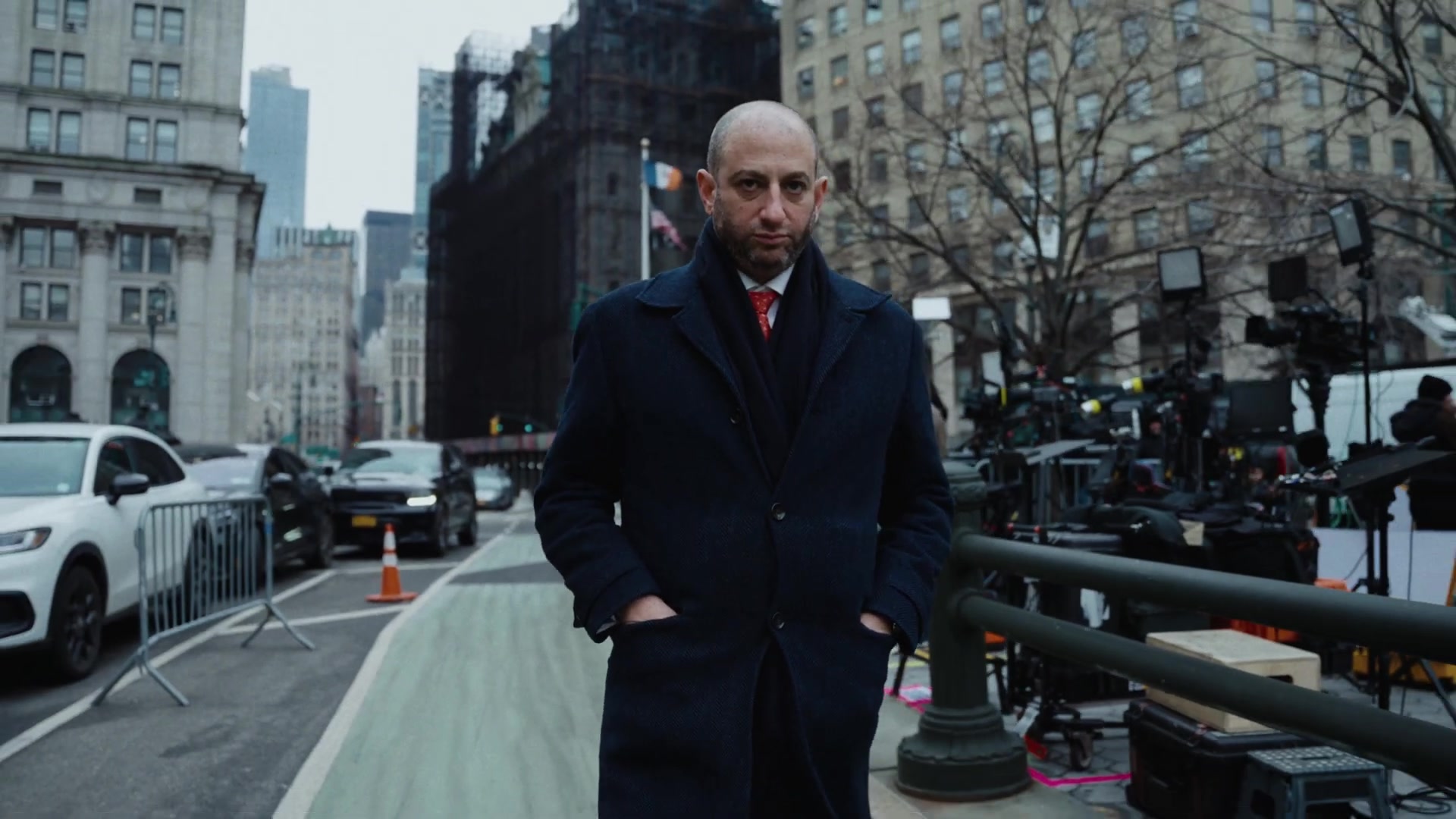
Defense Team Spotlight
Todd Spodek
Lead Attorney & Founder
Featured on Netflix’s “Inventing Anna,” Todd brings decades of experience defending clients in complex criminal cases.
Multi-State Bar
Federal Courts
US Supreme Court
Meet the Full Team →
References
- NY Penal Law § 105.10: Conspiracy in the fourth degree
- New York Penal Law Article 105
- New York Criminal Lawyers Explain Conspiracy
- New York Penal Law 105.10
- New York Penal Law 105.10
- Article 105: Conspiracy
Frequently Asked Questions
No. You have the right to remain silent and the right to an attorney. Invoke both rights immediately and contact Spodek Law Group.
Every case is different. We offer free initial consultations to evaluate your case and discuss our fee structure.
An arraignment is your first court appearance where charges are formally read. You enter a plea and bail may be set. Having an attorney present is critical.
Facing Criminal Charges And Have Questions? We Can Help, Tell Us What Happened.