Understanding NY Penal Law 178.10 - Criminal Diversion of Prescription Medications in the Fourth Degree
In New York, the illegal diversion of prescription medications is criminalized under NY Penal Law 178.10. This statute makes it illegal to transfer prescription drugs or devices for profit without authorization. Let's take a closer look at the law, penalties, and possible defenses.What is Criminal Diversion of Prescription Meds in the Fourth Degree?
According to NY Penal Law Article 178, a person is guilty of criminal diversion of prescription medications and prescriptions in the fourth degree when they[1]:- Knowingly transfer a prescription medication or device to someone else
- Do so for money or profit
- Know the recipient has no medical need for the medication or device
Penalties for Criminal Diversion of Prescription Medications
Criminal diversion of prescription medications in the fourth degree is a Class A misdemeanor in NY[3]. Potential penalties include:- Up to 1 year in jail
- Up to $1,000 in fines
- Probation up to 3 years
- Permanent criminal record
⚖ Legal Pulse: Key Statistics
15,000+
Federal Cases Filed Annually
90%
Plea Before Trial
Defenses to Prescription Drug Diversion Charges
Some potential defenses to NY Penal Law 178.10 charges include[5]:- You did not actually transfer the medication or device
- The transfer was not for profit or monetary gain
- You did not know the recipient had no medical need
- The medication was obtained legally
- You were authorized to distribute the medication
What to Do If Charged with Prescription Drug Diversion
If facing accusations of illegally diverting prescription medications in NY, it is important to[6]:
- Decline to answer any police questions until you have legal counsel
- Hire an experienced criminal defense attorney right away
- Follow your lawyer's advice about responding to investigators or making statements
- Work closely with your lawyer to build your defense
- Attend all required court appearances until your case resolution
- Avoid any legal issues while out on bail that could impact your case
Finding the Right Lawyer for Your Case
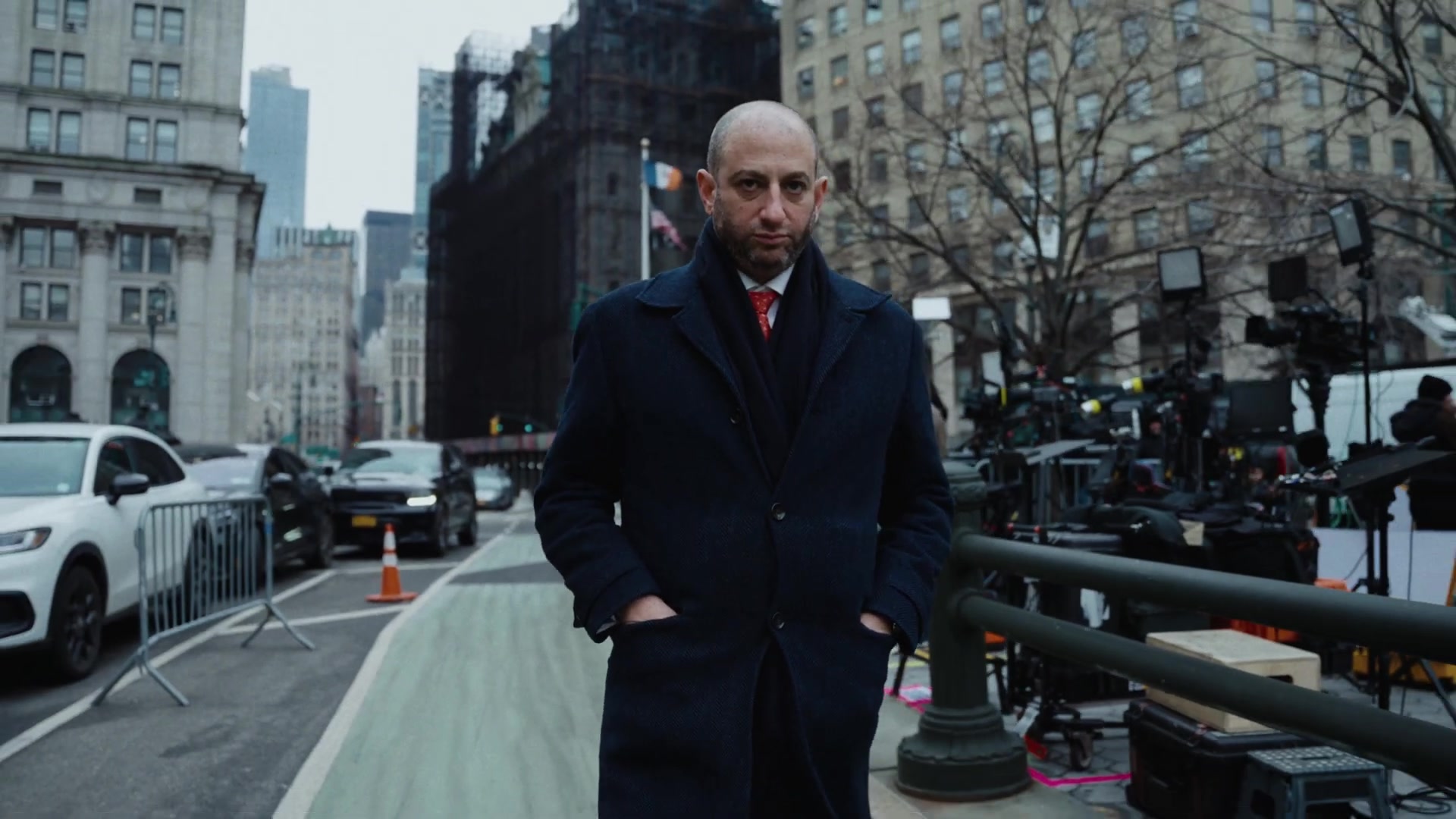
Defense Team Spotlight
Todd Spodek
Lead Attorney & Founder
Featured on Netflix’s “Inventing Anna,” Todd brings decades of experience defending clients in complex criminal cases.
Multi-State Bar
Federal Courts
US Supreme Court
Meet the Full Team →
- Experience specifically defending prescription drug diversion cases
- Familiarity with NY controlled substance and prescription laws
- Track record of achieving charge dismissals or reductions pre-trial
- Willingness to take your case to trial if necessary
- Strong negotiation skills for plea bargaining
- Responsive communication and guidance throughout the process
- [1] https://criminaldefense.1800nynylaw.com/new-york-penal-law-178-10-criminal-diversion-of-prescription-med.html
- [2] https://ypdcrime.com/penal.law/article178.php
- [3] https://criminaldefense.1800nynylaw.com/new-york-penal-law-178-15-criminal-diversion-of-prescription-med.html
- [4] https://law.justia.com/codes/new-york/2021/pen/part-3/title-k/article-178/178-10/
- [5] https://www.new-york-lawyers.org/criminal-diversion-of-prescription-medications-and-prescriptions.html
- [6] https://fastlawpc.com/criminal-diversion-of-prescription-medication/
Frequently Asked Questions
No. You have the right to remain silent and the right to an attorney. Invoke both rights immediately and contact Spodek Law Group.
Every case is different. We offer free initial consultations to evaluate your case and discuss our fee structure.
An arraignment is your first court appearance where charges are formally read. You enter a plea and bail may be set. Having an attorney present is critical.
Facing Criminal Charges And Have Questions? We Can Help, Tell Us What Happened.