
NY Penal Law 260.32 - Endangering a Vulnerable Person
Hey friend. If you or someone you care about was charged with endangering a vulnerable person under NY Penal Law 260.32, I understand you're scared and overwhelmed. But don't lose hope! This article will explain the charge, penalties, and possible defenses so you can make informed decisions. I'm here to educate and support you during this difficult time.What is Endangering the Welfare of a Vulnerable Person in NY?
This charge applies when a caregiver recklessly injures or endangers the welfare of someone who is[1]:- Elderly
- Physically disabled
- Mentally incompetent
What Are the Charges and Penalties Under Penal Law 260.32?
Endangering a vulnerable person in the second degree is a Class E felony in NY[2]. Potential penalties include:- 1 to 4 years in state prison
- Fines up to $5,000
- Probation up to 5 years
- Permanent criminal record
Are There Defenses to This Charge in New York?
⚖ Legal Pulse: Key Statistics
15,000+
Federal Cases Filed Annually
90%
Plea Before Trial
- You did not cause any injury or endangerment
- The alleged victim's injuries were accidental
- You acted reasonably under the circumstances
- You have an alibi - you were not present
- You were falsely accused by someone with ulterior motives
Can Caregivers Be Charged With This Crime in New York?
Yes, professional caregivers are commonly charged under NY Penal Law 260.32 if they intentionally or recklessly harm a patient or client under their care. This includes nurses, home health aides, group home employees, etc. Mere mistakes typically won't lead to criminal charges - the conduct must be truly reckless.When Does Reckless Endangerment Become a Felony in New York?
Reckless endangerment is elevated from a misdemeanor to a felony if the victim is especially vulnerable, such as elderly, disabled, or incompetent. Endangering a healthy, able-bodied adult is a misdemeanor, while endangering a vulnerable person becomes the felony under 260.32.Does This Charge Require Actual Harm or Injury in New York?
No, the prosecution only needs to prove you recklessly endangered the victim's welfare. No actual injury is required for the Class E felony under NY Penal Law 260.32. However, if the victim does suffer physical, mental or moral harm, it strengthens the prosecution's case.
When Does Reckless Child Endangerment Become a Felony in New York?
Endangering a child's welfare becomes a felony under NY Penal Law 260.10 if the child dies or suffers serious physical injury. Otherwise, reckless child endangerment is a misdemeanor. The vulnerability of the victim determines the felony charge.Key Takeaways
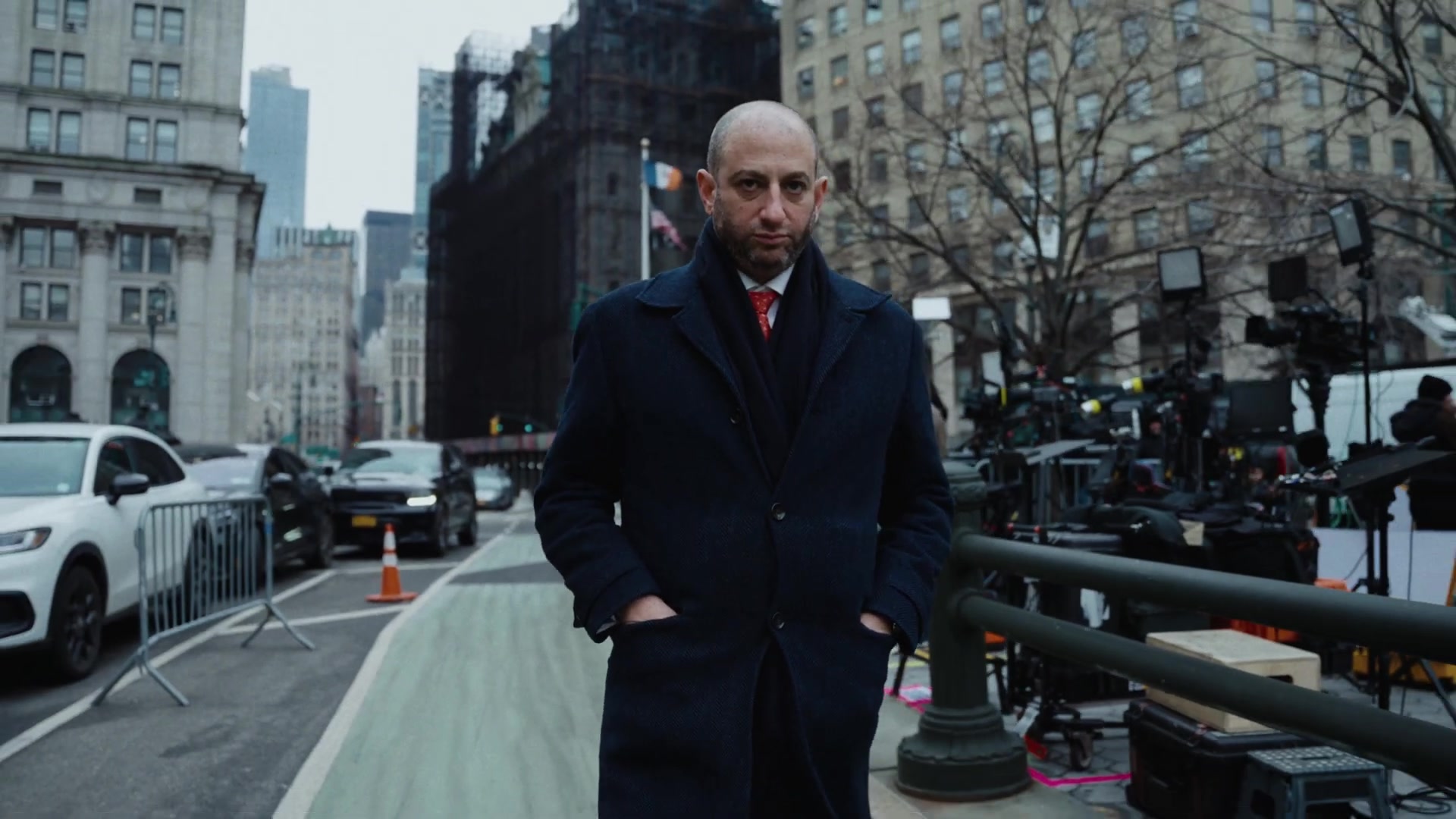
Defense Team Spotlight
Todd Spodek
Lead Attorney & Founder
Featured on Netflix’s “Inventing Anna,” Todd brings decades of experience defending clients in complex criminal cases.
Multi-State Bar
Federal Courts
US Supreme Court
Meet the Full Team →
- It's a Class E felony with up to 4 years in prison.
- Lawyers can often build strong defenses to beat the charges.
- No actual injury is required - only reckless endangerment.
- Caregivers are commonly charged under this statute.
- The victim's vulnerability makes it a felony.
References
1 https://criminaldefense.1800nynylaw.com/new-york-penal-law-260-32-endangering-the-welfare-of-a-vulnerabl.html 2 https://casetext.com/statute/consolidated-laws-of-new-york/chapter-penal/part-3-specific-offenses/title-o-offenses-against-marriage-the-family-and-the-welfare-of-children-and-incompetents/article-260-offenses-relating-to-children-disabled-persons-and-vulnerable-elderly-persons/section-26032-endangering-the-welfare-of-a-vulnerable-elderly-person-or-an-incompetent-or-physically-disabled-person-in-the-second-degree 3 https://ypdcrime.com/penal.law/article260.php 4 https://www.new-york-lawyers.org/endangering-the-welfare-of-a-vulnerable-or-disabled-person-ny-pl.html 5 https://www.new-york-lawyers.org/second-degree-endangering-the-welfare-of-a-vulnerable-or-disable.html 6 https://codes.findlaw.com/ny/penal-law/pen-sect-260-32/ RelatedFrequently Asked Questions
No. You have the right to remain silent and the right to an attorney. Invoke both rights immediately and contact Spodek Law Group.
Every case is different. We offer free initial consultations to evaluate your case and discuss our fee structure.
An arraignment is your first court appearance where charges are formally read. You enter a plea and bail may be set. Having an attorney present is critical.
Facing Criminal Charges And Have Questions? We Can Help, Tell Us What Happened.