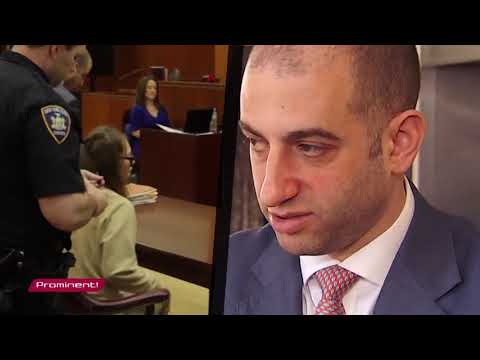

New York Possession of Stolen Property FAQs
Uh oh, were you or someone you care about accused of possessing stolen property in New York? Yeah, I've been there. It's scary stuff that can land you in jail if convicted. But don't freak out just yet! This article will break down the law, penalties, and defenses for stolen property charges in NY. I'm here to educate and empower you during this stressful time.What is Possession of Stolen Property in New York?
In NY, it's illegal to possess property that you know was obtained through criminal means[1]. The stolen item could be anything - a car, jewelry, electronics, etc. To convict you, prosecutors must prove:- You possessed the property
- You knew the property was stolen
- You intended to benefit yourself or others by keeping it from the owner
What Are the Charges and Penalties for Possessing Stolen Property in NY?
Charges and penalties vary based on the value of the stolen goods[2]:- Petit larceny (<$1,000) - Class A misdemeanor
- Grand larceny (>$1,000) - Class E felony
Can You Be Charged With Possessing Your Own Stolen Property in New York?
⚖ Legal Pulse: Key Statistics
15,000+
Federal Cases Filed Annually
90%
Plea Before Trial
Can You Possess Stolen Property Without Knowing It's Stolen in NY?
Yes, absolutely. If you unknowingly buy or obtain property that turns out to be stolen, you aren't criminally liable. Prosecutors must prove you knew the property was stolen[3]. For example, if you buy a used bike on Craigslist that happens to be stolen, you can't be convicted if you reasonably thought it belonged to the seller.What Should You Do if Charged With Possessing Stolen Goods?
Here are some tips if you or a loved one is accused of possessing stolen property in New York:- Remain silent and avoid self-incrimination
- Hire an experienced NY criminal defense lawyer right away
- Follow all conditions of bail or pretrial release
- Start gathering evidence and witnesses to support your case
- Avoid social media posts about the case
What Are Some Defenses for Possessing Stolen Property Charges?
A skilled NY defense attorney can often get these charges reduced or dismissed. Some potential defenses include:- You didn't know the property was stolen
- The property's value is less than prosecutors allege
- You have an airtight alibi - proof you didn't possess the item
- The police illegally seized the property
- You were coerced into the crime under duress
- You're the victim of false accusations or mistaken ID

Can a Conviction for Possessing Stolen Property Be Expunged in NY?
Unfortunately, New York doesn't allow record expungement for adult convictions. However, you may be able to get certain minor stolen property convictions sealed after 10 years under the state's record-sealing laws. Sealing won't erase the offense, but it hides it from most background checks[4]. Consult an attorney to see if you're eligible.Key Takeaways
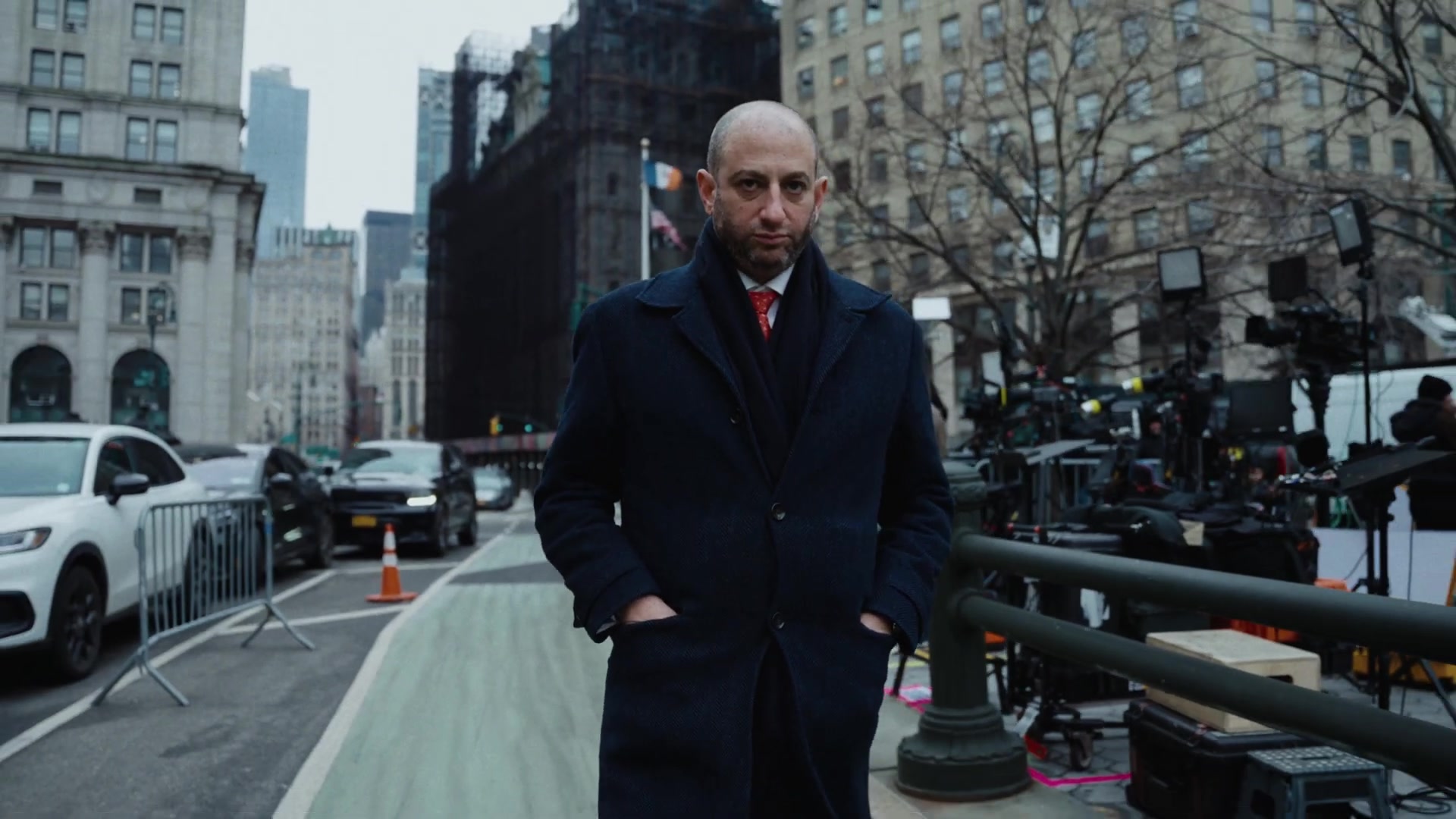
Defense Team Spotlight
Todd Spodek
Lead Attorney & Founder
Featured on Netflix’s “Inventing Anna,” Todd brings decades of experience defending clients in complex criminal cases.
Multi-State Bar
Federal Courts
US Supreme Court
Meet the Full Team →
- Mere possession isn't enough - prosecutors must prove your mental state.
- Charges and penalties depend on the item's value.
- Strong defenses exist that can beat the charges.
- Expungement isn't allowed, but record sealing may be possible.
- Experienced legal help is critical for the best outcome.
References
1 https://criminaldefense.1800nynylaw.com/new-york-possession-of-stolen-property-frequently-asked-question.html 2 https://nyccriminalattorney.com/criminal-possession-of-stolen-property-in-new-york/ 3 https://www.annemini.com/category/punctuation-and-how-to-use-it-properly/punctuation-and-grammar-of-the-non-standard-variety/ 4 https://www.misd.net/languageart/grammarinaction/501grammarandwriting3e.pdf 5 https://www.oswego.edu/criminal-justice/sites/www.oswego.edu.criminal-justice/files/crj_department_paper_guidelines_and_writing_manual.pdf 6 https://www.csusm.edu/psychology/currentstudents/research-methods-in-human-development.pdfFrequently Asked Questions
No. You have the right to remain silent and the right to an attorney. Invoke both rights immediately and contact Spodek Law Group.
Every case is different. We offer free initial consultations to evaluate your case and discuss our fee structure.
An arraignment is your first court appearance where charges are formally read. You enter a plea and bail may be set. Having an attorney present is critical.
Facing Criminal Charges And Have Questions? We Can Help, Tell Us What Happened.