

New York Sex Offender Registration FAQs
If you're convicted of a sex crime in New York, you'll have to register as a sex offender. This brings up many questions and concerns. Will your name go online? How long do you have to register? Can you appeal? What are the rules and restrictions? This article answers the most common FAQs about New York's sex offender registration requirements. Read on to learn the key facts you need to know.What Crimes Require Registration in NY?
You must register if convicted of offenses like:- Rape
- Sexual abuse
- Incest
- Child pornography
- Human trafficking
- Unlawful imprisonment of a minor
How Long Will I Have to Register in NY?
Registration periods depend on your offense and risk level:- Level 1 (low risk) - 20 years
- Level 2 (medium risk) - Life
- Level 3 (high risk) - Life
- Predatory sexual assault - Life
What Information Do I Have to Provide?
You must provide extensive personal information including:- Name(s)
- Aliases
- Date of birth
- Social security number
- Driver's license/ID card
- Address
- Employment details
- Schools attended
- Vehicle details
- Physical description (height, weight, etc.)
⚖ Legal Pulse: Key Statistics
15,000+
Federal Cases Filed Annually
90%
Plea Before Trial
Can My Information Be Searched Online?
Maybe. Level 1 and 2 offenders are not included in the online public registry. But Level 3 offenders are searchable online by name, zip code, county, etc.What Happens if I Move?
You must notify DCJS in writing within 10 days if you move to a new home, school, or job - whether in New York or any other state. Failing to update your address leads to felony charges.Can I Appeal My Risk Level?
Yes, you have the right to challenge your risk level designation in court. An experienced criminal lawyer can argue to the judge why you deserve a lower classification.What Restrictions Apply to Registrants?
Parole officers impose restrictions on where you can live, work, travel, etc. Common parole conditions include:- No contact with minors without supervision
- Curfews
- Restricted computer/internet use
- Restricted travel
- Home visits by parole officers
- Restrictions on home location (e.g. distance from schools)
Can I Ever Get Off the Registry?
Possibly. After your minimum period ends, you can petition the court for relief. But getting removed fully from the registry is very difficult. An experienced criminal lawyer can advise if you may qualify for removal and represent you at the hearing.
What Happens if I Don't Register?
Failing to register, giving false information, or not updating your address is a felony. You face fines and 1-4 years in prison per violation.Should I Hire a Lawyer for Help?
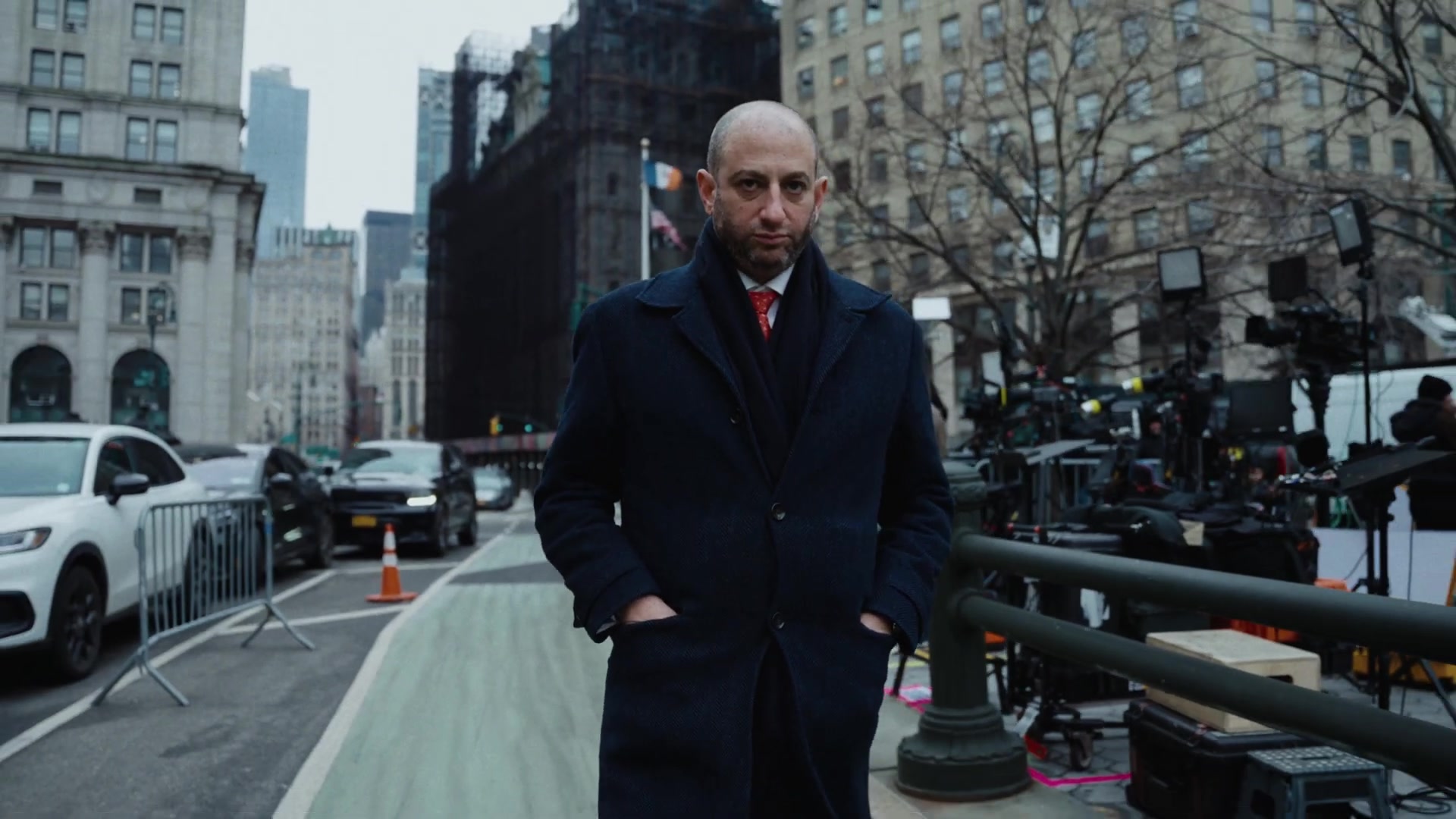
Defense Team Spotlight
Todd Spodek
Lead Attorney & Founder
Featured on Netflix’s “Inventing Anna,” Todd brings decades of experience defending clients in complex criminal cases.
Multi-State Bar
Federal Courts
US Supreme Court
Meet the Full Team →
- Fighting for lower risk level classification
- Appealing any registration errors
- Petitioning for removal when eligible
- Avoiding registry violations and penalties
References
- Frequently Asked Questions: New York State's Sex Offender Registry
- 501 Grammar & Writing Questions 3rd Edition
- Bad Ideas About Writing
- Sex Offenders | NY CourtHelp
- The Official New York State Sex Offender Registry
Frequently Asked Questions
No. You have the right to remain silent and the right to an attorney. Invoke both rights immediately and contact Spodek Law Group.
Every case is different. We offer free initial consultations to evaluate your case and discuss our fee structure.
An arraignment is your first court appearance where charges are formally read. You enter a plea and bail may be set. Having an attorney present is critical.
Facing Criminal Charges And Have Questions? We Can Help, Tell Us What Happened.