Understanding DWI Refusal Charges: VTL 1192.3 in New York
Although Vehicle and Traffic Law 1192.2 in New York states a blood alcohol content (BAC) reading of at least 0.08% is per se proof of intoxication, VTL 1192.3 doens't have the same standard. In most cases, an individual will be charged under a VTL 1192.2 and a VTL 1192.3 at the same time. But an individual may only be charged with a VTL 1192.3 misdemeanor for refusal to take a DWI test.Your Rights During a DWI Stop
When an individual is taken to a law enforcement agency after a suspected DWI, he or she may be asked to submit a breath test with an intoxilyzer. However, an individual has the right at any time to ask a law enforcement officer to contact his or her attorney. If an individual refuses to submit this test, it will result in the automatic revocation of his or her driver's license. It is important to note that a police officer must properly inform an individual of his or her rights and instructions before taking the test. When an individual fails to submit a breath test, his or her license will be suspended pending a refusal hearing at the Department of Motor Vehicles (DMV).How Police Build Their Case
The basis of this offense is the observation of the police official and legal presumptions. Police officers will usually indicate an individual wasn't steady on his or her feet, had blood shot eyes, and showed other characteristics to being intoxicated. Furthermore, the officer must prove an individual was operating a motor vehicle. Many times, refusal to submit a breath test charges will rely on police video and documentation from the officer. When there is inconsistency in the paperwork or video, which may show an individual was speaking clearly and standing upright, there is a chance the accused can beat the case. Although each case is different, the documentation and video are critical pieces of evidence.Penalties for VTL 1192.3 Conviction
⚖ Legal Pulse: Key Statistics
15,000+
Federal Cases Filed Annually
90%
Plea Before Trial
- Community service
- A fine between $500 to $1,000
- Up to one year in jail
- License suspension for six months (Common Law)
- One year revocation (Refusal)
- Impaired Driver Program (IDP)
- Vehicle interlock device
What Is a Conditional License?
Those who have their license suspended may be able to apply for a conditional license. If an individual enrolls in an Impaired Driver Program (IDP), which can be done at a DMV office, he or she may also apply for a conditional license. A conditional license allows individuals to operate a motor vehicle under certain circumstances. For example, an individual is allowed to travel to and from work in order to maintain his or her job. Those in New York with a conditional license may also drive to and from medical examinations and activities or classes which are part of an IDP. However, it is important to note not all who apply for a conditional license will be granted this privilege.Defenses for Refusal to Take a Breath Test
Those facing a refusal to submit charge should contact an experienced DWI attorney immediately. Although blood alcohol tests are designed to provide accurate results, there are many instances were mistakes are made which produce false readings. Furthermore, there are medical conditions which can prevent an indiviudal from submitting an accurate sample.A Medical Condition That Inhibits an Individual's Ability to Submit a Breath Sample
A breath testing device requires that an individual blow into the device for a reading. And not all individuals have the lung capacity to adequately blow into this device properly. For these devices to work, there must be a certain amount of deep lung air for a valid reading. If an individual is not able to provide enough deep lung air, the blood alcohol results may be inaccurate.
The Police Officer Didn't Follow the Rules
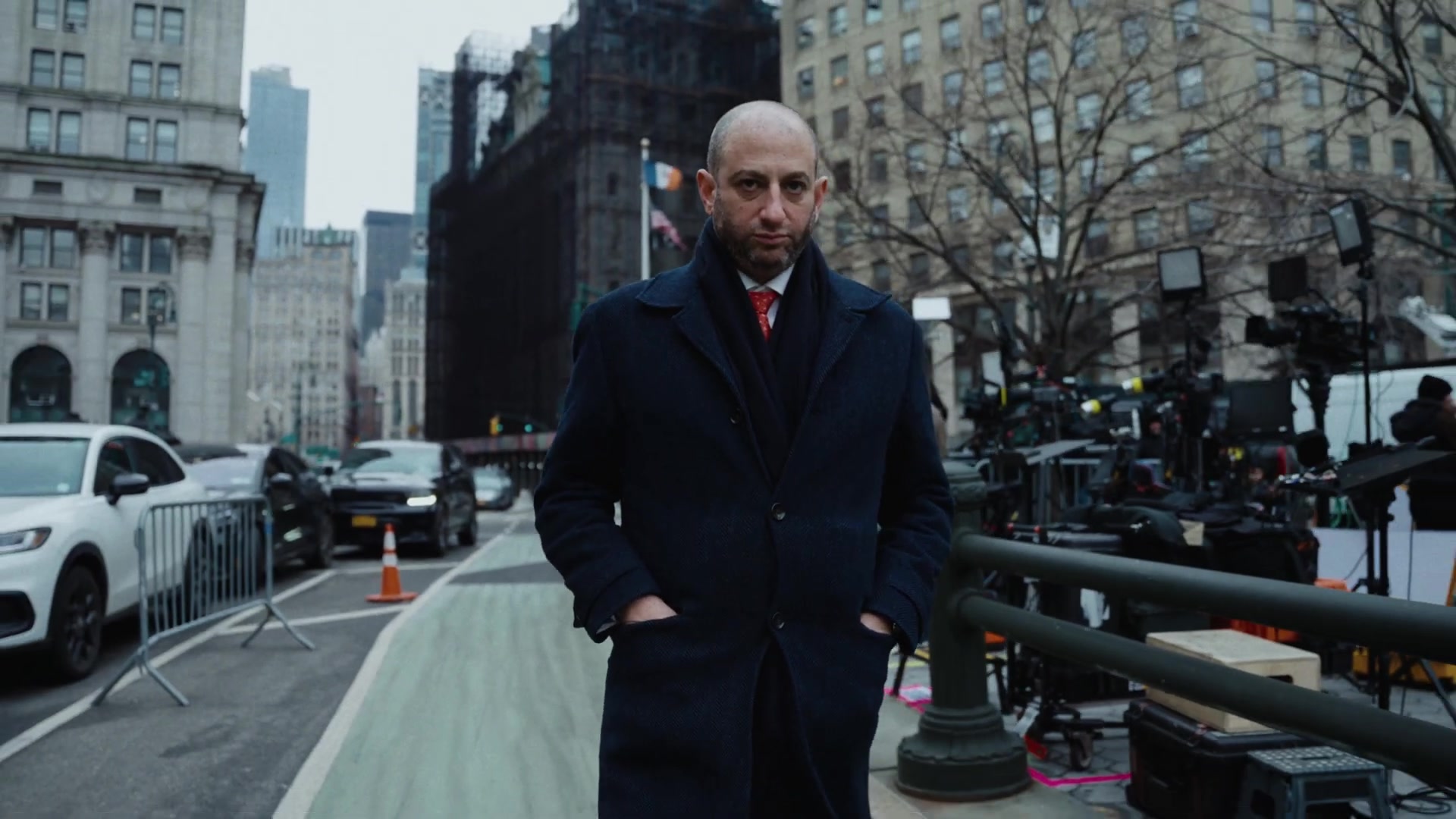
Defense Team Spotlight
Todd Spodek
Lead Attorney & Founder
Featured on Netflix’s “Inventing Anna,” Todd brings decades of experience defending clients in complex criminal cases.
Multi-State Bar
Federal Courts
US Supreme Court
Meet the Full Team →
The Police Officer Didn't Allow an Individual to Call His or Her Attorney
In these circumstances, one of the biggest mistakes a police officer can make is not allowing an individual his or her right to contact an attorney. In New York, the law states when a motorist is under arrest for a DWI, he or she has the right to speak to an attorney before making the decision to take a breath test as long as the test is not unduly delayed. Which is why it is vital to seek legal counsel before submitting a breath test.Frequently Asked Questions
No. You have the right to remain silent and the right to an attorney. Invoke both rights immediately and contact Spodek Law Group.
Every case is different. We offer free initial consultations to evaluate your case and discuss our fee structure.
An arraignment is your first court appearance where charges are formally read. You enter a plea and bail may be set. Having an attorney present is critical.
Facing Criminal Charges And Have Questions? We Can Help, Tell Us What Happened.