
Bench Warrants and Failure to Appear in New York
In New York, when an individual fails to appear in court for a criminal case, a judge will issue a bench warrant for his or her arrest. This is can also result in a separate criminal charge with additional consequences for jumping bail or not responding to an appearance ticket. In addition, those who fail to make a court appearance will also forfeit any funds that were used for bail. When an individual is issued a bench warrant, the police are directed to arrest him or her, so that they can be seen before a judge. If the police arrest an individual for failure to appear, he or she will typically be taken to jail until a court hearing is available.Failing to React to an Appearance Ticket
If the police arrest an individual for a criminal offense that isn't a felony, the arresting officer can present the individual with an appearance ticket. This ticket will state when the individual should appear in court. In addition, a police officer can request that a pre-arraignment bail be set in place. When an individual fails to meet the requests of an appearance, it is a violation. A violation is a non-felony crime such as a traffic citation. If convicted, this offense can result in 15 days in jail according to New York Penal Law 215.58.Bail Jumping
When an individual is arrested for a crime and posts bond, he or she will is required to be in court for all appearance dates, which include the arraignment, hearing, trail, and sentencing. If a defendant does not appear in court on the set date, a judge may issue a bench warrant. When the individual is arrested, he or she will be charged with bail jumping. There are variations of bail jumping that are known as bail jumping in the first, second, or third degree.Bail Jumping in the Third Degree
⚖ Legal Pulse: Key Statistics
15,000+
Federal Cases Filed Annually
90%
Plea Before Trial
Bail Jumping in the Second Degree
If an individual who is pending a felony charge fails to show at any court appearance, he or she will be charged with bail jumping in the second degree. This criminal offense is a Class E felony that could lead to four years in prison as well as a ,000 fine.Bail Jumping in the First Degree
Bail jumping in the first degree involves those who are facing a Class A or Class B felony charge and fail to appear in court. These felony charges may include kidnapping, rape, murder, drug trafficking, bribery, grand larceny, and robbery. This offense is punishable by up to seven years in prison and a $5,000 fine.What are the Defenses to a Failure to Appear Charge?
In New York, an individual who is charged with failure to respond to an appearance ticket or bail jumping may have the charge lessened or dismissed if they can prove the missed appearance was unavoidable due to circumstances beyond his or her control. However, an individual must prove beyond a reasonable doubt that his or her failure to show at a court appear at court was caused a valid reason within a 30 days from when the occurrence took place. Some valid defenses for this could be a traffic collision, hospitalization, a death in the family, or being incarcerated. In addition, a few other valid reasons may be if an individual's car breaks down on the way to court, or the court failed to provide him or her with accurate information about the court date.
What Should You do if You Fail to Appear and/or have a Bench Warrant?
Defense Team Spotlight
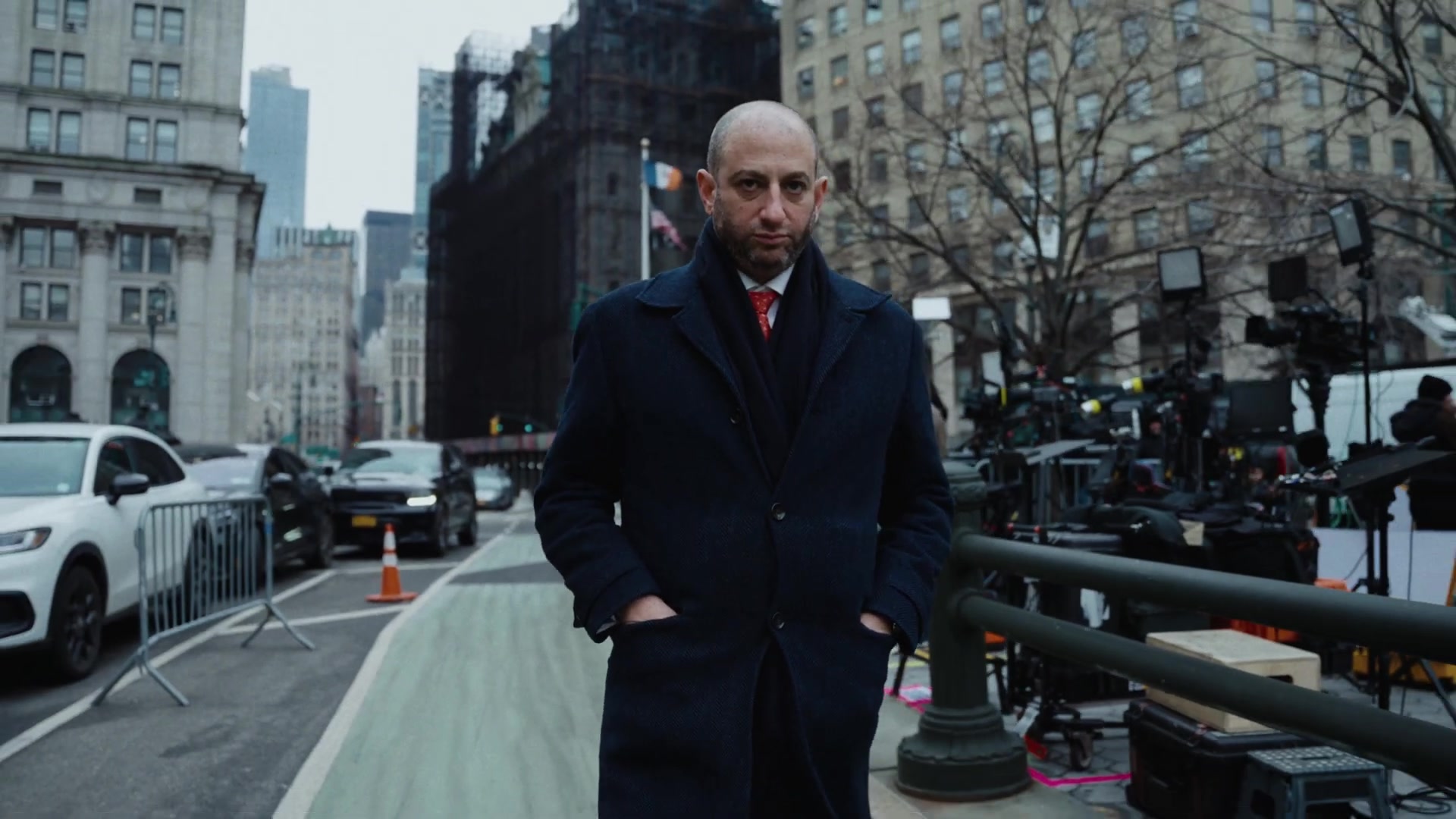
Todd Spodek
Lead Attorney & Founder
Featured on Netflix’s “Inventing Anna,” Todd brings decades of experience defending clients in complex criminal cases.
Multi-State Bar
Federal Courts
US Supreme Court
Meet the Full Team →
Frequently Asked Questions
No. You have the right to remain silent and the right to an attorney. Invoke both rights immediately and contact Spodek Law Group.
Every case is different. We offer free initial consultations to evaluate your case and discuss our fee structure.
An arraignment is your first court appearance where charges are formally read. You enter a plea and bail may be set. Having an attorney present is critical.
Facing Criminal Charges And Have Questions? We Can Help, Tell Us What Happened.