
NYC Medical License Defense Lawyers | Professional Discipline & DEA Investigation Attorneys
So your probably sitting in your office right now staring at that letter from OPMC or maybe you just got served with a DEA subpoena and your hands are literally shaking. Maybe a patient filed a complaint about your treatment. Maybe the medical board flagged your prescribing patterns. Or maybe there investigating you for Medicare fraud that you didn't even know was happening. Look, we get it. Your ABSOLUTELY TERRIFIED. And honestly? You should be! Because your entire career - everything you worked for since medical school - could disappear with one wrong move according to New York's Office of Professional Medical Conduct!What Happens When the Medical Board Gets a Complaint About You?
Let me tell you exactly what's happening right now behind the scenes. When OPMC receives a complaint about you, they have 45 days to do there preliminary investigation. During that time, there deciding whether to dismiss it or launch a FULL INVESTIGATION into your practice. First thing that happens? You'll get a letter demanding your response within 45 days. And here's what's insane - if you don't respond or you say the wrong thing, they can literally revoke your license just for that! Not for the actual complaint - just for not responding properly according to New York State Education Department requirements! We've seen doctors lose there licenses because they thought they could handle it themselves and wrote something that made things worse. The investigation process is brutal. They'll interview your patients, your staff, pull all your medical records, review your prescribing history, check your billing records. Everything you've done for years gets put under a microscope. And the investigators? There not your friends. There job is to find violations, period. Here's what really makes us angry - alot of these complaints are total garbage! Disgruntled patients who didn't get the pain meds they wanted. Ex-employees with an axe to grind. Competitors trying to damage your reputation. Insurance companies trying to avoid paying claims. But it doesn't matter - once that investigation starts, your in a fight for your professional life!Can a DEA Investigation Result in Criminal Charges?
This is where things get REALLY scary. Yes, DEA investigations absolutely can and do lead to criminal charges! According to the DEA Practitioner's Manual, they're not just looking at administrative violations - there building criminal cases. We've seen what happens in operations like "Profit Over Patients" where the DEA arrested 51 medical professionals and filed 122 criminal charges in ONE sweep! These weren't just administrative actions - these were federal criminal indictments carrying DECADES in prison. One doctor we know got hit with 20 years mandatory minimum because they said his prescribing was "outside the usual course of professional practice" under 21 USC 841 federal drug distribution laws. What triggers a criminal investigation? Could be anything - unusual prescribing patterns, cash-only patients, prescribing the "holy trinity" (opioids, benzos, and muscle relaxers together), high volume of controlled substances, patients traveling long distances. Even if your following your medical judgment, if the DEA thinks your prescriptions don't have a "legitimate medical purpose," your facing criminal distribution charges! The worst part? They'll execute search warrants on your office AND your home. Imagine federal agents kicking down your door at 6 AM, seizing all your computers, going through your personal belongings while your kids watch. It's absolutely DISGUSTING how they treat doctors like drug dealers!What Are the Penalties for Medicare and Medicaid Fraud?
Want to know something that'll make you sick to your stomach? Medicare fraud penalties are INSANE. According to Department of Justice data, even accidental billing errors can be prosecuted as fraud! Here's what your facing if they claim Medicare fraud: - Up to 5 years in federal prison PER FALSE CLAIM - If they say someone was "harmed" by your treatment? 20 YEARS in prison - Fines up to $11,000 for EACH claim they say is false - Triple damages - they make you pay back three times what they say you overbilled - PERMANENT exclusion from Medicare and Medicaid Think about that - you submit 100 claims with coding errors over a year, that's potentially 500 YEARS in prison! Plus millions in fines! And here's the kicker - in civil cases, they don't even have to prove you intended to commit fraud. They just have to show you were "reckless" in your billing. What does reckless mean? Whatever the prosecutor wants it to mean! We had a client - brilliant cardiologist, never had a single complaint in 30 years. His billing company made errors on upcoding. The feds seized $3 million from his accounts under CMS fraud and abuse provisions, froze all his assets, and he couldn't even pay for groceries while fighting the charges. Eventually we got it resolved but it took TWO YEARS and cost him everything!How Long Does a Medical Board Investigation Take?
⚖ Legal Pulse: Key Statistics
15,000+
Federal Cases Filed Annually
90%
Plea Before Trial
What Should I Do If I Receive a Subpoena from the DEA?
STOP! Don't do ANYTHING until you call us! This is critical - how you respond to that subpoena in the first 24-48 hours can determine whether you keep your freedom or end up in federal prison! First rule: DO NOT talk to the DEA agents without an attorney! They'll show up acting friendly, saying things like "we just need to clear up some confusion" or "if you cooperate this will go away quickly." It's ALL LIES! There job is to get you to incriminate yourself. Anything you say WILL be twisted and used against you! Second: Don't destroy anything! Even if you think something makes you look bad, destroying it after getting a subpoena is obstruction of justice - that's a seperate felony carrying 20 years! We've seen doctors panic and delete patient files or prescribing records. Now instead of defending the original charge, we're defending obstruction too. Third: Don't try to "fix" any records! The DEA already has copies of everything through New York's Prescription Monitoring Program. If you change anything now, they'll charge you with falsifying records on top of everything else. What you SHOULD do: Call us immediately! We need to review that subpoena, determine what there really investigating, start preserving helpful evidence, and most importantly - we become your shield. All communication goes through us. The DEA can't intimidate or trick you if they can't talk to you directly!Can I Lose My Medical License for a Criminal Conviction?
Absolutely YES, and it happens automatically in many cases! According to New York State regulations, certain criminal convictions trigger AUTOMATIC license revocation - no hearing, no appeal, your done! Any drug conviction - even simple possession - can cost you your license. DUI? License problems. Domestic violence? License review. Healthcare fraud? Guaranteed revocation. Even crimes that have nothing to do with medicine can destroy your career. We had a doctor get arrested for a bar fight (charges were eventually dropped) but the medical board still tried to revoke his license for "unprofessional conduct"! Here's what's especialy cruel - even if your found not guilty in criminal court, the medical board can STILL take your license! Why? Because criminal court requires proof "beyond reasonable doubt" but the medical board only needs "preponderance of evidence" - basically 51% sure you did something wrong according to New York's burden of proof standards. So you can be acquitted by a jury but still lose your livelihood! And don't think a plea bargain saves you either. Alot of doctors think "I'll just plead to a misdemeanor and get probation." Wrong! Any guilty plea - even to reduced charges - gets reported to the medical board and starts a professional discipline investigation. We've seen doctors plead guilty to minor charges thinking it's no big deal, then lose there license six months later!What's the Difference Between Civil and Criminal Healthcare Fraud Cases?
This distinction is HUGE and most doctors don't understand it until it's too late. Civil cases are about money - the government wants to recover allegedly false claims plus penalties. Criminal cases are about prison - they want to lock you up as an example to others. Civil cases are actually MORE dangerous in some ways because the burden of proof is so much lower. In criminal court, they need to prove you intended to commit fraud beyond reasonable doubt. In civil court? They just need to show you were "reckless" or should have known better. That's why the government LOVES civil cases - easier to win, massive financial penalties, and they can still destroy your career! In civil cases under the False Claims Act, you face: - Paying back up to THREE TIMES the alleged fraud amount - Penalties of $11,000 to $23,000 per claim - Exclusion from Medicare/Medicaid forever - Public disclosure that ruins your reputation Criminal cases are obviously scarier because of prison time, but there also harder for the government to prove. They need to show you had "intent to defraud" - that you knowingly and willfully submitted false claims. That's why having an experienced attorney who can potentially channel a case from criminal to civil track can literally save your freedom!
How Can a Defense Attorney Help During a Medical Board Investigation?
Look, we're not gonna sugarcoat this - trying to handle a medical board investigation yourself is like performing surgery on yourself. You might be a brilliant doctor, but your not an administrative law expert. The investigators and board attorneys do this EVERY DAY. You don't. First thing we do? Take control of the narrative. That response letter to OPMC? Every word matters. Say the wrong thing and you've admitted to violations you didn't even know existed. We know exactly how to frame your response to protect you while satisfying there requirements. We also immediately start our own investigation. While there looking for problems, we're documenting everything you did RIGHT. Getting statements from supportive patients and staff. Pulling peer review literature that supports your treatment decisions according to NIH PubMed Central medical research. Finding experts who'll testify that your care met the standard. Building YOUR case, not just responding to theirs. Here's something most doctors don't realize - we can often negotiate before things go public! If we can convince OPMC early that there case is weak or that any issues were minor, we might get a private letter of guidance instead of public discipline. Your license stays clean, your reputation intact. But once it goes public? That damage is forever. We know all the investigators, all the board attorneys, all the judges. We know who's reasonable and who's out for blood. We know which arguments work and which ones backfire. We've seen every trick, every tactic, every pressure point they use. That institutional knowledge is invaluable when your career's on the line!What Rights Do I Have During a DEA Audit or Investigation?
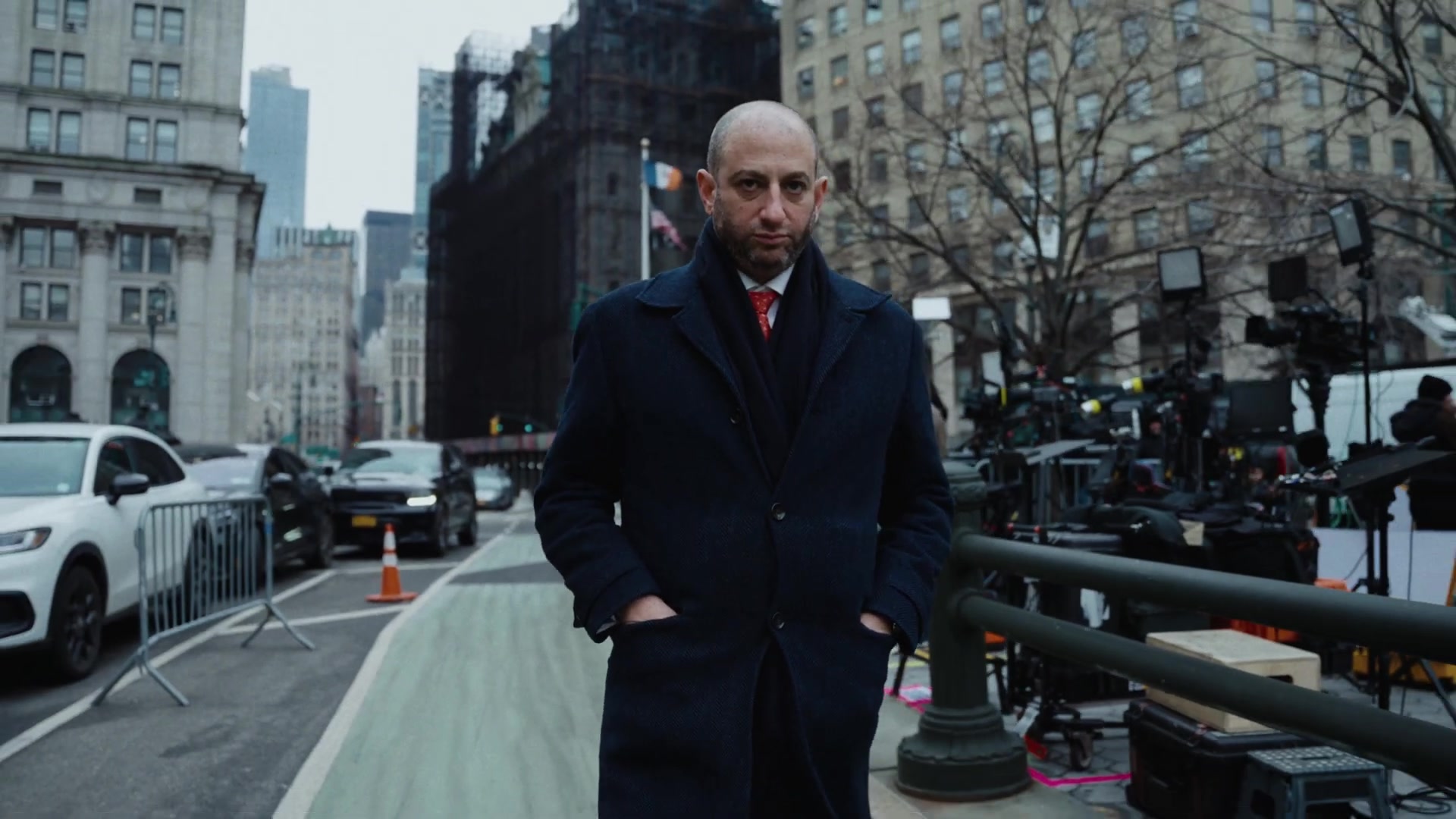
Defense Team Spotlight
Todd Spodek
Lead Attorney & Founder
Featured on Netflix’s “Inventing Anna,” Todd brings decades of experience defending clients in complex criminal cases.
Multi-State Bar
Federal Courts
US Supreme Court
Meet the Full Team →
Why Choose Spodek Law Group for Medical Professional Defense?
Here's the brutal truth - alot of attorneys will take your money and then push you to take whatever deal the government offers. They don't want to fight. They don't want to go to trial. They just want the easy resolution and there fee. That's not us. We're fighters. We're not afraid of OPMC, the DEA, the DOJ, or anybody else. We've taken on the federal government and WON. We've gone to administrative hearings and gotten complete dismissals. We've turned criminal investigations into minor civil settlements. We've saved medical licenses that other attorneys said were gone for sure. Our team includes former federal prosecutors who know exactly how the government builds these cases - and more importantly, how to tear them apart. We have medical experts who can explain why your treatment decisions were appropriate. We have forensic accountants who can show billing errors weren't fraud. We have investigators who find evidence the government conveniently overlooked. We treat you with respect, not like a criminal. We know your a dedicated professional who's spent years serving patients. We know one mistake - or even a false accusation - shouldn't destroy everything you've built. We're available 24/7 because we know these investigations don't follow business hours. When the DEA raids your office at 6 AM, we're answering our phones. Most importantly, we're honest with you. If you messed up, we'll tell you - and then we'll figure out how to minimize the damage. If your being railroaded, we'll fight like hell to prove it. Either way, you'll know exactly where you stand and what your options are. Call us RIGHT NOW at 212-300-5196 Every hour you wait, the government gets stronger! We answer 24/7 because investigations don't wait! Don't let them destroy your medical career! Don't let years of education and dedication get wiped out by overzealous investigators! Don't become another statistic in there war on doctors! The sooner you call us, the better chance we have of protecting everything you've worked for. Remember - OPMC, the DEA, and Medicare fraud investigators have unlimited resources and all the time in the world. You need someone just as tough, just as smart, and just as relentless on YOUR side. That's exactly what you get with Spodek Law Group. We don't just defend medical licenses - we defend dreams, reputations, and futures! Disclaimer: Prior results don't guarantee similar outcomes. Every case is different. But one thing never changes - we fight harder than anyone else to protect medical professionals from unjust investigations and prosecutions.Frequently Asked Questions
No. You have the right to remain silent and the right to an attorney. Invoke both rights immediately and contact Spodek Law Group.
Every case is different. We offer free initial consultations to evaluate your case and discuss our fee structure.
An arraignment is your first court appearance where charges are formally read. You enter a plea and bail may be set. Having an attorney present is critical.
Facing Criminal Charges And Have Questions? We Can Help, Tell Us What Happened.