Portland PPP Loan Fraud Lawyers
Eric Wade Lysne applied for a PPP loan claiming his company Paradigm employed 10 people in the agriculture sector and earned nearly $1 million in annual revenue. He obtained $147,400 in pandemic relief funds. The problem? Lysne had been sitting in prison for most of that twelve-month period on a felony conviction in Washington County. He claimed to have employees while he was behind bars. He claimed business revenues for months when he couldn't have been running anything. The SBA didn't catch it immediately - the application went through. But when investigators eventually opened his file, the contradiction was impossible to miss. You can't run a workforce from a prison cell. Welcome to Spodek Law Group. Our goal is education first - helping you understand what the District of Oregon actually looks like from the inside before you discover it yourself. Todd Spodek has defended clients facing pandemic fraud charges who assumed their lies were small enough to miss. The lies weren't small. The government's attention wasn't limited. And in Oregon, 50 people have already learned that lesson the hard way.The Man Who Applied From Prison
Heres what makes the Lysne case so instructive. This wasnt a subtle exaggeration. This wasnt rounding up employee counts or inflating revenues by 20%. This was claiming an entire business operation existed during a period when the applicant was literally incarcerated. Lysne applied for an EIDL in May 2020, falsely claiming Paradigm employed 10 people and realized gross revenues of nearly $1 million. In fact, he had been in prison for most of that twelve-month period as the result of a felony conviction. The SBA disbursed $147,400 to Paradigm through Lysne's personal bank account in early June 2020. An indictment was unsealed charging him with wire fraud and bank fraud. He pleaded guilty to both charges in November 2021. The case took less than a year from application to guilty plea. Heres the pattern investigators use to catch this kind of fraud. They pull the application. They pull public records. They check incarceration databases, employment records, tax filings. When someone claims business activity for a period when public records show they were in custody, the case builds itself. The boldness of the lie becomes the evidence. Lysne didnt make a minor misrepresentation that required forensic accountants to unravel. He made a claim that a basic records check could disprove. And thats what happened. If your PPP application claimed business activity, employees, or revenues for a period when records show you werent operating - werent even present - investigators can make that case in an afternoon.15,000 Shares of Tesla, Gone
Andrew Aaron Lloyd of Lebanon, Oregon, had a different strategy. He stole millions in pandemic relief and invested it in the stock market. Between April and May 2020, Lloyd and his accomplice Russell Schort applied for and recieved at least three PPP loan payments totaling more than $2.2 million. Lloyd also applied for numerous EIDLs, one of which was accepted for an additional $160,000. After recieving the funds, Lloyd transferred at least $1.8 million to a personal online brokerage account and purchased various securities. What securities? Among other things, 15,000 shares of Tesla stock. He also bought 25 properties in Oregon and California with the proceeds of his fraud. Heres the irony. Tesla stock went up. The investment strategy, if you can call it that, actually worked in terms of market returns. But Lloyd wasnt an investor. He was a thief. And when prosecutors came for him, they took everything. Lloyd was sentenced to 48 months in federal prison and five years supervised release. He was ordered to pay more than $4 million in restitution. And the forfeiture order included all 25 properties and all 15,000 Tesla shares seized by law enforcement. The stock market gave him gains. Federal court took back the stock, the gains, and four years of his freedom. His accomplice, Russell Anthony Schort of Myrtle Creek, pleaded guilty to bank fraud and was sentenced to federal prison with $294,552 in restitution. Heres what the Lloyd case shows about PPP fraud prosecutions. Traceable assets become evidence. Every property he bought with stolen money became a record prosecutors could point to. Every share of stock, every brokerage statement, every trade confirmation created documentation that made the case easier to prove. You might think investing stolen funds in the market is smart - at least your making money while waiting to see if you get caught. But every investment creates a paper trail. Every purchase creates documentation. Every gain creates a larger forfeiture order. Lloyd bet on Tesla. He should have bet on not getting caught.1,300 Applications, One Defendant
⚖ Legal Pulse: Key Statistics
15,000+
Federal Cases Filed Annually
90%
Plea Before Trial
The Dentist Who Lost Everything
Salwan Adjaj was a dentist in West Linn, Oregon. He had built a professional practice, a reputation, a career in healthcare. And then he stole nearly $11.5 million in pandemic relief funds. Adjaj, 43, pleaded guilty to wire fraud and aggravated identity theft. He had submitted dozens of fraudulent loan applications to the SBA in an attempt to obtain EIDL and PPP funds. Heres what Adjaj lost. He lost the money - all of it subject to forfeiture and restitution. He lost his freedom - federal prison time is real time, served at 85% minimum. He lost his dental license - fraud convictions end healthcare careers. But heres the part most people dont think about. Adjaj spent years - maybe decades - building a professional practice. Earning degrees. Passing licensing exams. Building patient relationships. Establishing himself in the West Linn community as a healthcare provider. All of that is gone. Not because he couldnt have made good money legitimately. Not because dentistry wasnt lucrative enough. He threw away a legitimate career for stolen pandemic funds he couldnt keep anyway. The $11.5 million is gone. But the destruction of everything he legitimatley built - thats the real punishment. Some consequences you can calculate in dollars and months. Others you measure in decades of wasted work and permanently closed doors. Professional licensing boards dont forget. Healthcare regulatory agencies share information. A federal fraud conviction doesnt just end your current practice - it prevents you from ever building another one.The Man Who Ran
David Unitan, also known as Daniel Cohen, thought he had a solution to federal prosecution. He would run. Unitan, 47, of Lake Oswego, Oregon, was charged with aggravated identity theft, wire fraud, and money laundering. According to prosecutors, he used another business owner's social security number to submit fraudulent applications. Six EIDL applications were submitted using the victim's SSN, and two were funded for a total of $295,000. Federal agents and Clackamas County Sheriffs deputies arrested Unitan at his home and seized a Ford pickup and Tesla sedan as proceeds of fraudulent loans. And then Unitan fled. After fleeing federal prosecution, he was eventually re-arrested. The flight didnt save him. It made everything worse. Heres what most people dont understand about running from federal charges. First, fleeing prosecution is itself a crime. You add charges by running. Second, flight becomes evidence of consciousness of guilt. When prosecutors stand in front of a jury and say "the defendant knew he was guilty because he ran," thats devastating. Third, federal cases dont go away because you disappear. The investigation continues. The indictment stays active. And the resources devoted to finding fugitives from federal justice are substantial. The Marshals Service specializes in this. Unitan was sentenced to 61 months in federal prison and three years supervised release. Thats more than five years behind bars - partly because of the original fraud, partly because running made sentencing worse. Running from federal prosecution is always a bad bet. The system is patient. It will find you. And when it does, your sentence will be worse than if youd stayed and fought.Four Agencies, One Target
Heres something most defendants dont realize until its too late. PPP fraud investigations in the District of Oregon arent handled by overworked generalists juggling too many cases. Their handled by coordinated task forces with multiple federal agencies working together. The Karnezis case was investigated by SBA Office of Inspector General, IRS Criminal Investigation, Treasury Inspector General for Tax Administration, and the Naval Criminal Investigative Service. Four agencies. Different expertise. Different databases. Different investigative techniques. NCIS - the Naval Criminal Investigative Service - was tracking pandemic fraud. The agency that investigates crimes involving the Navy and Marine Corps was brought in to investigate PPP applications. Why? Because the fraud touched military personnel and military contractors. When multiple agencies coordinate, theres nowhere to hide. The SBA knows what you claimed on your application. The IRS knows what income you actually reported. Treasury tracks financial transactions. Each agency brings different tools and different records. The task force model means investigators can cross-reference databases instantly. They can see discrepancies between your PPP application and your tax returns. They can trace funds through banking systems. They can identify patterns across hundreds or thousands of applications. If your hoping your case falls through the cracks because investigators are overwhelmed, think again. The District of Oregon has charged more than 50 people since January 2021. Combined prison time exceeds 631 months - more than 52 years. That level of enforcement doesnt happen without dedicated resources and coordinated investigation. Heres what makes the multi-agency approach so effective. Each agency has access to different databases and different records. The SBA knows exactly what you claimed about employees and payroll. The IRS knows what you actually reported on your tax returns. Treasury tracks the flow of money through the banking system. When those three sets of records dont match, prosecutors have their case. And the investigators working these cases arent rotating through on their way to other assignments. These are specialized units focused on pandemic fraud. They know the patterns. They know the common lies. They know exactly which records to subpoena and which questions to ask. When they open your file, they already know what theyre looking for.
Your Options in the District of Oregon
Defense Team Spotlight
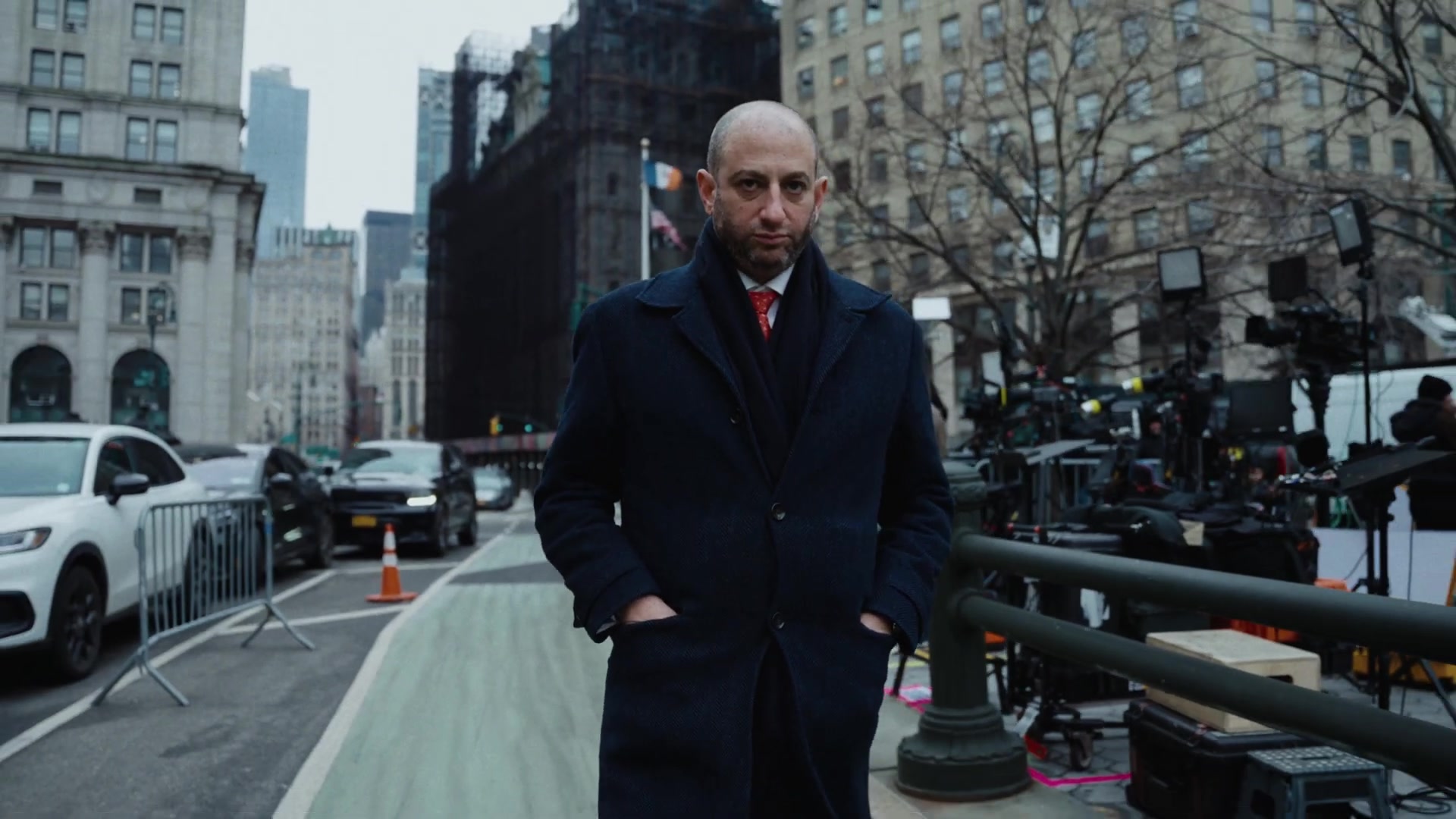
Todd Spodek
Lead Attorney & Founder
Featured on Netflix’s “Inventing Anna,” Todd brings decades of experience defending clients in complex criminal cases.
Multi-State Bar
Federal Courts
US Supreme Court
Meet the Full Team →
631 Months and Counting
Congress extended the statute of limitations for PPP fraud to ten years. That means applications from 2020 can be prosecuted until 2030. EIDL applications from 2021 can be prosecuted until 2031. The government has years left to build cases. Since January 2021, more than 50 people have been charged in the District of Oregon for schemes targeting federal COVID-19 relief programs. Together, they attempted to steal more than $903 million in federal funds. 38 individuals have been convicted. Combined prison time: 631 months. Combined probation and supervised release: 1,194 months. Thats 52 years of prison time, handed out in just four years of prosecutions. And the cases are still coming. The task force isnt winding down - its expanding. Federal sentences are not like state sentences. There is no parole in the federal system. When Andrew Lloyd got 48 months, he'll serve at least 41 months. When David Unitan got 61 months, he'll serve at least 52. The time is real. And after the sentence, the consequences continue. Professional licenses get revoked - just ask the dentist. Banking relationships become impossible. Career opportunities disappear. A federal fraud conviction follows you on every background check for the rest of your life. Heres what makes collateral consequences especially severe in Oregon. The state licensing boards share information with federal agencies. Healthcare professionals, real estate agents, CPAs, attorneys, insurance brokers - all of them face automatic license review after any felony conviction. And fraud convictions are particularly damaging because they go directly to trustworthiness. Oregon employers run background checks. Federal fraud convictions show up. The prison sentence ends but the economic exclusion continues for decades. The silence you've been hearing isn't protection. It's just the part of the process where the investigation hasn't reached you yet. If your facing potential PPP fraud exposure in Portland or anywhere in Oregon, the time to talk to a lawyer is now. Not after the FBI shows up. Not after you receive a target letter. While you still have options. Call 212-300-5196 for a confidential consultation. The District of Oregon is still working. The question is whether they're working on your file. Eric Wade Lysne claimed a business operation existed while he sat in prison. Andrew Lloyd turned stolen funds into 15,000 shares of Tesla stock - and forfeited every share. Eric Karnezis submitted 1,300 applications seeking $178 million. Salwan Adjaj destroyed a dental career for money he couldn't keep. David Unitan ran - and got caught anyway. Russell Schort thought being an accomplice was safer than being the lead - he still went to federal prison. All of them learned that the District of Oregon doesn't forget, doesn't forgive, and doesn't stop prosecuting. The statute runs through 2031. The silence ends when it ends - and you dont get to choose the timing.Frequently Asked Questions
No. You have the right to remain silent and the right to an attorney. Invoke both rights immediately and contact Spodek Law Group.
Every case is different. We offer free initial consultations to evaluate your case and discuss our fee structure.
An arraignment is your first court appearance where charges are formally read. You enter a plea and bail may be set. Having an attorney present is critical.
Facing Criminal Charges And Have Questions? We Can Help, Tell Us What Happened.