
New York Penal Law 225.30: Possession of a Gambling Device
Overview of New York Gambling Laws
New York has stern laws set in place that regulate gambling, and one of these laws prohibits the possession of any devices that can be used for unlawful gambling. These devices may include roulette wheels, video poker machines, slot machines, or any other machine that has a random number generator. According to New York Penal Law 225.30, an individual could be charged with possession of a gambling device if he or she possesses, manufactures, transports, or sells an illegal gambling device.What Constitutes a Gambling Device
New York law states a gambling device is any device or equipment that is used in the playing phases of any activities that involve gambling. An example may include a video game machine that was on the property of a restaurant. If the game rewarded a winning individual extra games free of charge, the additional games are of value, which makes the video game machine a gambling device. This situation occurred at a Bubba Restaurant in New York, and the restaurant owner was found guilty of violating New York Penal Law 225.30 (Bubba Restaurant, Inc. v. New York State Liquor Authority, 554 N.Y.S.2d 189).Related Offenses
⚖ Legal Pulse: Key Statistics
15,000+
Federal Cases Filed Annually
90%
Plea Before Trial
- Possession of gambling records in the first degree: New York Penal Law 225.20
- Possession of gambling records in the second degree: New York Penal Law 225.15
- Promoting gambling in the first degree: New York Penal Law 225.10
- Promoting gambling in the second degree: New York Penal Law 225.05
Possible Defenses for Those Charged With Possession of a Gambling Device
If an individual or place of business is in possession of a gambling device that enables individuals to participate in a game of chance, but does not provide anything of value in return for playing the game, it is not a violation of New York Penal Law 225.30. An example of a situation under these circumstances is the People v. Jun Feng, 946 N.Y.S.2d 68 (N.Y. Crim. Ct., 2012). The defendant was in possession of two video poker games on his property. Although the machines accepted U.S. currency, no evidence could be presented that definitively showed the machine gave a player anything of value. As a result, the defendant was found not guilty for possession of a gambling device.Sentence for Possession of a Gambling Device
Possession of a gambling device in New York is a Class A misdemeanor. If an individual is convicted of this offense, then he or she could face a jail sentence of up to one year, probation for three years, and a costly fine. An individual is guilty of possession of a gambling device if he or she knowingly manufactures, sells, transports, or possesses an unlawful gambling device. Furthermore, an individual is also in violation of New York Penal Law 225.30 if he or she conducted or negotiated a transaction that affected ownership, custody, or use of the following:- A slot machine (unless the possession was pursuant to article nine-A of New York's general municipal law) or any other gambling device that was to be used in the promotion of unlawful gambling activity.
- A coin slot machine that was operated with the intent to use the device in the promotion of unlawful gambling activity.

Exceptions and Legal Possession
Defense Team Spotlight
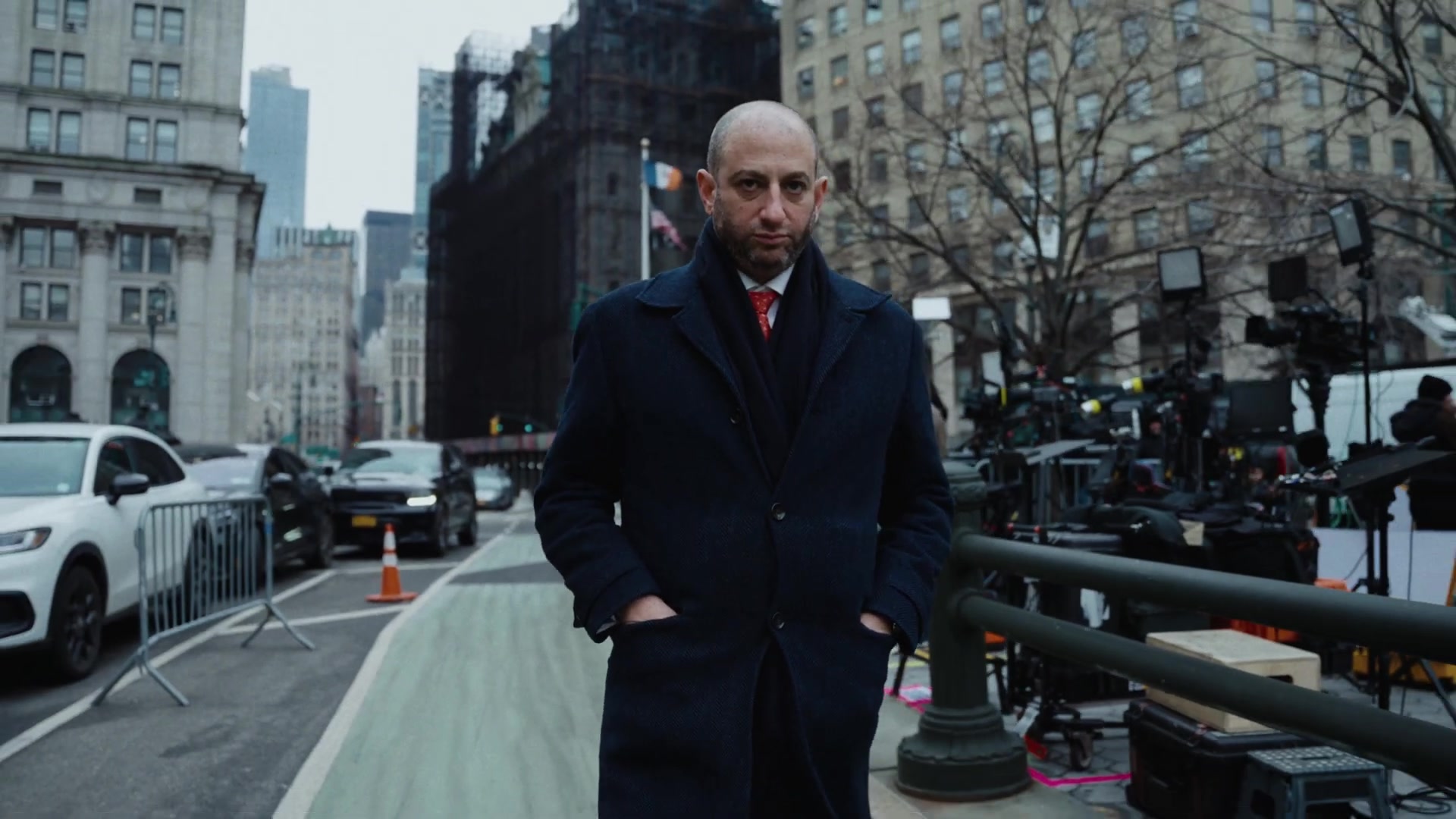
Todd Spodek
Lead Attorney & Founder
Featured on Netflix’s “Inventing Anna,” Todd brings decades of experience defending clients in complex criminal cases.
Multi-State Bar
Federal Courts
US Supreme Court
Meet the Full Team →
The Importance of a New York Possession of a Gambling Device Lawyer
Although possession of a gambling device is a misdemeanor, it is still a serious criminal offense. If an individual is convicted of this crime, he or she could end up in jail, which is why it's important to hire a knowledgeable attorney with the experience that is needed to ensure an individual's rights are protected.Frequently Asked Questions
No. You have the right to remain silent and the right to an attorney. Invoke both rights immediately and contact Spodek Law Group.
Every case is different. We offer free initial consultations to evaluate your case and discuss our fee structure.
An arraignment is your first court appearance where charges are formally read. You enter a plea and bail may be set. Having an attorney present is critical.
Facing Criminal Charges And Have Questions? We Can Help, Tell Us What Happened.