The Honest Mistake That Becomes a Felony
Heres the paradox that catches everyone. You can fly INTO New York with a properly declared firearm in your checked luggage. TSA rules allow it. Airlines allow it. Federal law allows it. You land at JFK or LaGuardia, collect your bags, and go about your business without anyone saying a word about the gun locked in your suitcase. Then you try to fly home. You walk up to the ticket counter with your hard-sided case, just like you did in Texas or Florida or Pennsylvania. You declare your firearm exactly the way your supposed to. The airline agent makes a call. And within minutes, three or four Port Authority Police officers converge on your position. Your under arrest. The firearm that was completley legal when you boarded your flight is now evidence in a Class C violent felony case. Posession of a loaded firearm in Queens County, New York. The charge carries a mandatory minimum sentence of three and a half years in state prison. The declaration that protects you in every other airport in America is what triggered your arrest here. The honesty that TSA and airlines require is exactly what gets you handcuffed in Terminal 4.483 Arrests and Counting
Since 2014, Port Authority Police have arrested 483 people for firearm posession at JFK and LaGuardia airports. The numbers stay remarkably consistant year after year - 69 arrests in 2014, 92 in 2015, similar figures through the present. By August 2024, TSA officers had already detected seven firearms at JFK checkpoints alone. These arnt gang members or criminals trying to smuggle weapons. There tourists who checked there legally registered handguns. Business travelers who forgot there firearm was still in the suitcase they use for hunting trips. Off-duty police officers from other states who assumed there credentials would be recognized. Veterans who've carried the same sidearm for decades without a single legal issue. The pattern repeats endlessly. Someone from Arizona or Texas or Florida - states with permitless carry or shall-issue licensing - assumes that there legal gun is legal everywhere. They've never had a problem before. TSA has never questioned them. Why would New York be any different? New York is different becuase New York dosent recognize a single out-of-state permit. Zero reciprocity. Your Texas license to carry dosent mean anything here. Your Florida concealed weapons permit is worthless. Even if your a sworn peace officer in your home state, you need specific New York authorization to posess a firearm legally within there jurisdiction.What "Loaded" Means in New York
Heres were the law gets technicaly brutal. New York's highest court has ruled that a firearm is "loaded" whenever ammunition is in "close proximity" to the weapon. You followed TSA instructions perfectley - unloaded the chamber, removed the magazine, stored the ammunition seperately in your luggage. Dosent matter. The ammunition was in the same suitcase. Maybe in a differnt compartment. Maybe in a completley seperate pouch. Under New York law, thats close enough. Your unloaded firearm, stored exactly as federal regulations require, qualifies as "loaded" under state definitions. This distinction isnt academic. Its the difference between two completley different criminal charges. An unloaded firearm is Criminal Posession of a Firearm under Penal Law 265.01-b - a Class E felony with a maximum of four years. A "loaded" firearm triggers Criminal Posession of a Weapon in the Second Degree under Penal Law 265.03 - a Class C violent felony with that 3.5-year manditory minimum. Most travelers get charged with the more serious offense. Because most travelers had ammunition somwhere in there luggage. The very act of following federal transport rules creates the state-level "loaded" classification.Zero Reciprocity, Zero Exceptions
"But I have a permit from Florida." Dosent matter. "My gun is registered in Texas." Dosent matter. "I'm a retired law enforcement officer." Unless you have specific federal LEOSA credentials and followed exact protocals, dosent matter. New York awards reciprocity to exactly zero states. This isnt an oversight or a bureaucratic gap - its deliberate policy. The state legislature has chosen not to recognize any out-of-state firearms licensing, regardless of how rigorus those other states' requirements might be. What makes this particularly devistating for travelers is the lack of any good-faith exception. You genuinley didnt know. You reasonably beleived your legal gun was legal here. You made every effort to comply with federal regulations. None of that constitutes a defense under New York law. Strict liability means exactly what it sounds like - the only question is whether you posessed the weapon, not whether you intended to break any laws. The prosecutors in Queens County have heard every version of this argument. "I didnt know" dosent work. "I was just passing through" dosent work. "I declared it honestly" definately dosent work - thats what led to your arrest in the first place.3.5 Years Mandatory
⚖ Legal Pulse: Key Statistics
15,000+
Federal Cases Filed Annually
90%
Plea Before Trial
The 80% Outcome
Heres the good news, and its substantial. Aproximately 80 percent of firearm arrests at JFK and LaGuardia result in either outright dismissal or a plea to disorderly conduct - a non-criminal violation that dosent create a felony record. Queens District Attorney's office has developed specific protocals for handling tourist gun cases. Prosecutors understand the difference between a Texas rancher who didnt know about New York's laws and a local resident carrying an illegal weapon with criminal intent. First-time offenders with clean records, who were clearly following TSA protocals, often qualify for favorable dispositions. A disorderly conduct plea typically involves a fine and conditional discharge. No jail time. No felony conviction. No permanent impact on your ability to own firearms in your home state. You lose the gun - New York will sieze and destroy it - but you walk away without a criminal record. The catch is that none of this happens automaticaly. You need an attorney who understands Queens County procedures, knows which assistant district attorneys handle these cases, and can present your situation in the most favorable light possible. The 80 percent outcome is available to people who mount effective defenses, not to people who simply hope for the best.$14,950 Before the Criminal Case Starts
Even if your criminal case gets dismissed, your not done paying. The TSA imposes civil penalties completley seperate from any state prosecution. For a single firearm detected at a checkpoint, your looking at fines up to $14,950 under the latest enforcement schedule. These fines apply regardless of whether your gun was properly declared for checked luggage. Once TSA detects a firearm, the administrative process kicks in. You'll recieve a penalty letter demanding payment. If you dont respond, the amount gets referred to collections. If you try to fly again before resolving the matter, you may be flagged at check-in. Additionally, you lose TSA PreCheck for five years. If Global Entry was tied to the same Known Traveler Number, thats gone too. Your trusted traveler status evaporates, and theres no expedited process for getting it back early. And heres another hidden consequence. The arrest goes into federal databases even if the criminal charge is dismissed. When you apply for a job that requires a background check, when you try to purchase a firearm in your home state, when you apply for security clearances - that arrest appears. Explaining why you were arrested for felony weapons possession at JFK Airport never gets easier, regardless of how the case resolved.The States That Send the Most Defendants
Texas leads the list. Florida comes second. Pennsylvania, Arizona, Georgia round out the top five. These arnt random - there the states with the most permissive firearms laws, the ones where gun ownership is normalized to the point where traveling with your weapon feels as natural as packing your laptop. A Texas resident with a License to Carry has probably never thought twice about there firearm. They can carry it concealed in most public places. They can transport it in there vehicle without any special precautions. When they travel to other states, reciprocity agreements often mean there permit is honored automaticaly. The idea that a legally owned, properly transported gun could result in felony charges simply dosent compute. The same psychology affects off-duty and retired law enforcement. Officers spend there careers carrying firearms daily. Many have never been to New York and assume that there badge, there credentials, there years of service will count for something. LEOSA - the Law Enforcement Officers Safety Act - does provide some federal protections, but the requirements are specific and not everyone qualifies. Retired officers who let there credentials lapse, who didnt complete required annual qualifications, find themselves treated the same as civilian tourists. Hunters traveling to upstate New York sometimes make the catestrophic mistake of flying into JFK or LaGuardia. There heading to the Adirondacks for deer season, rifles and shotguns properly cased and declared. But there connection flights route through Queens County, and suddenly what was supposed to be a hunting trip becomes a criminal case. Even long guns - which face fewer restrictions then handguns in many jurisdictions - trigger serious charges under New York law.
The Forgotten Firearm Problem
Not every airport gun arrest involves a deliberate declaration. Sometimes travelers genuinley forget there firearm is in there bag. The suitcase that doubles as a range bag. The laptop case that hasnt been completley emptied since last hunting season. The carryon thats been sitting in the closet for months. TSA's X-ray machines dont care about intent. A firearm shows up on the screen, and within moments Port Authority Police are on scene. The traveler who genuinley had no idea they were carrying is now facing the same charges as someone who deliberatley tried to transport a weapon. These forgotten firearm cases present unique defense challenges. On one hand, the lack of intent seems like it should matter - you werent trying to break any laws. On the other hand, New York's strict liability framework means intent is largely irrelevent to guilt. The question becomes how to frame the situation for prosecutors in a way that emphasizes the genuinley accidental nature of the posession. Queens DA's office does distinguish between differnt types of cases. Someone who forgot about a gun in there bag looks differnt from someone who knowingly packed a weapon for a New York trip. The defense attorney's job is making sure that distinction is clear, documented, and presented persuasivley. Character references, employment history, the circumstances of how the firearm ended up in the luggage - all of this becomes relevent to the disposition negotiation.What Happens in the First 24 Hours
Defense Team Spotlight
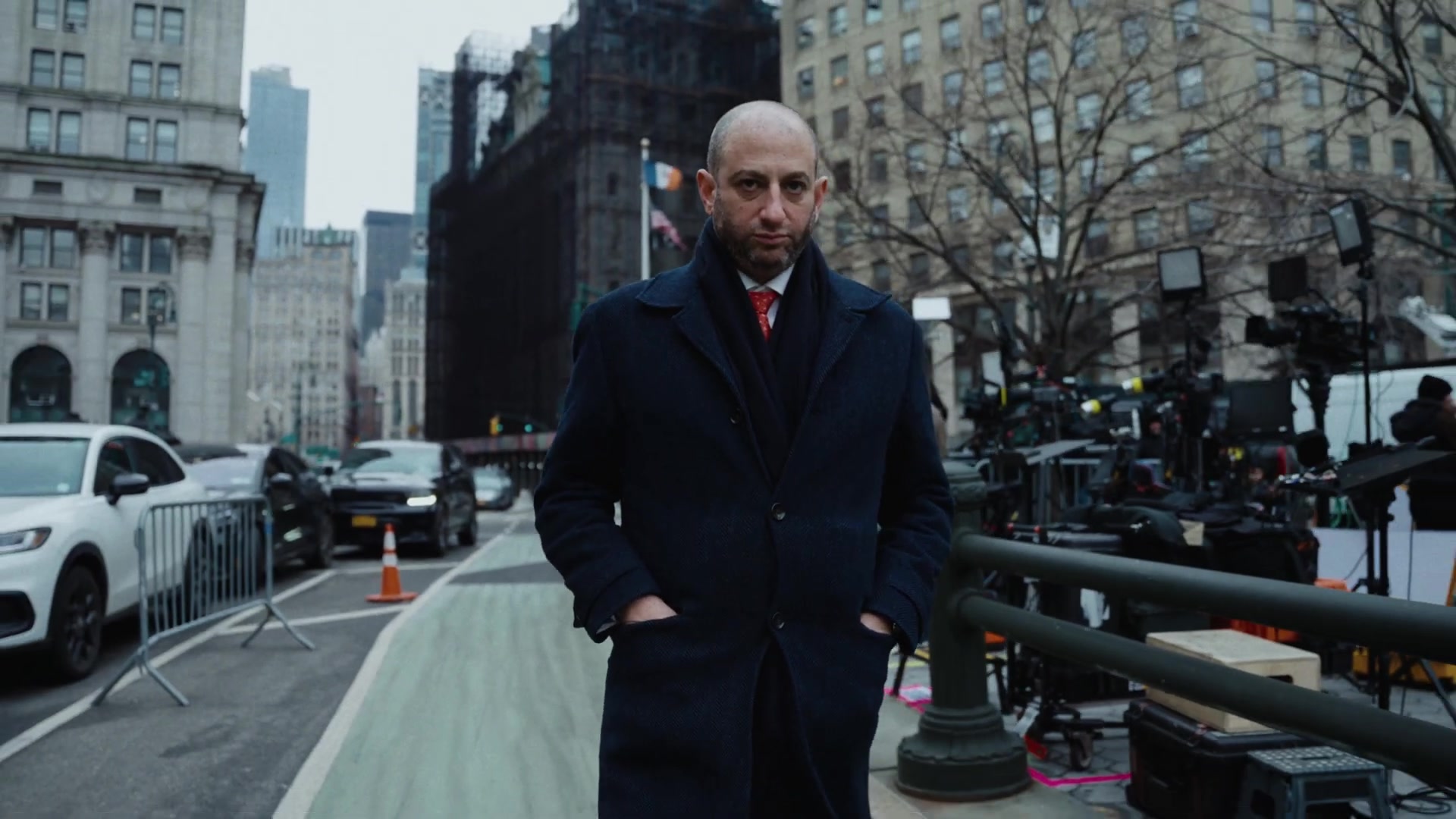
Todd Spodek
Lead Attorney & Founder
Featured on Netflix’s “Inventing Anna,” Todd brings decades of experience defending clients in complex criminal cases.
Multi-State Bar
Federal Courts
US Supreme Court
Meet the Full Team →
Getting Home While Your Case Proceeds
One of the most urgent priorities after an airport gun arrest is establishing conditions that allow you to return to your home state while the criminal case works through the Queens County system. Being stuck in New York indefinately isnt practical for most people. Courts can and do allow out-of-state defendants to return home pending resolution of there cases. This typicaly requires posting bail, surrendering your passport if international travel is a concern, and agreeing to return to New York for scheduled court appearances. An attorney who regularly handles these cases knows which judges are more favorably disposed toward travel permissions and how to present the request most effectivley. The alternative - remaining in New York for what could be months of court proceedings - is finacially and personaly devistating for most defendants. Lost wages, hotel costs, separation from family. Some people lose there jobs becuase they cant return to work. The case itself becomes almost secondary to the practical destruction it causes in peoples lives. Spodek Law Group understands how urgent these situations are. When we take on airport gun cases, we move immediately - contacting the DA's office, preparing for arraignment, working toward bail conditions that let you return home while the case proceeds. The goal is minimizing the damage in those critical first days while building toward the best possible resolution. If you've been arrested at JFK or LaGuardia for firearm possession, call 212-300-5196. The consultation is confidential. Whether you're still in New York or back home trying to figure out next steps, understanding your options is the first step toward the 80 percent outcome rather than the 3.5-year minimum. Time matters in these cases - the faster you get representation, the more options remain available for negotiating favorable dispositions with the Queens District Attorney's office.Frequently Asked Questions
No. You have the right to remain silent and the right to an attorney. Invoke both rights immediately and contact Spodek Law Group.
Every case is different. We offer free initial consultations to evaluate your case and discuss our fee structure.
An arraignment is your first court appearance where charges are formally read. You enter a plea and bail may be set. Having an attorney present is critical.
Facing Criminal Charges And Have Questions? We Can Help, Tell Us What Happened.