
San Antonio Federal Criminal Defense Lawyers
The federal government spent 18 months building a case against you before you knew anything was happening. That sentence should terrify you. Because by the time federal agents knock on your door in San Antonio, by the time you receive that target letter, by the time your name appears in any federal document - they already have your bank records, your text messages, your emails, and probably statements from people you thought were friends. You think you're at the beginning of something. You're actually at the end of their investigation. They're just wrapping up. Welcome to Spodek Law Group. Our goal is to give you real information about federal criminal defense in San Antonio - not the sanitized version you find on other websites. We believe you deserve to know exactly what you're facing before you make any decisions. And what you're facing in the Western District of Texas is unlike anything you've experienced in state court. Most people who contact us have the same dangerous assumption. They think federal court is just state court with higher stakes. Same basic rules, same dynamics, just more serious charges. This assumption gets people destroyed. Federal court operates on completely different principles, with completely different resources, and prosecutors who have spent years perfecting their conviction rate. If you walk into this assuming your state court experience will translate, you've already made your first catastrophic mistake.State Court Thinking Kills Federal Cases
Heres the first thing you need to understand about federal criminal defense in San Antonio. Everything you think you know about the criminal justice system probly comes from state court experience - either your own or someone you know. Maybe youve had a DWI case. Maybe a friend dealt with an assault charge. Maybe you watched someone navigate a drug possession case through Bexar County courts. None of that prepares you for whats coming. In state court, prosecutors are often overworked and underfunded. They're juggling hundreds of cases, often willing to negotiate just to clear their docket. Your attorney makes a few phone calls, negotiates a plea, and you move on with your life. Thats the reality most people know. And its completely irrelevant to federal prosecution. Federal prosecutors dont operate under the same constraints. They have smaller caseloads, massive investigative budgets, and the full weight of agencies like the FBI, DEA, and IRS behind them. They dont bring cases because they think they might win. They bring cases because theyve already won. The U.S. Sentencing Commission tracks this - and the numbers are brutal. Federal courts maintain a conviction rate above 97%. In the Western District of Texas, that number is even higher. Let that sink in. 97% of people charged in federal court end up convicted. Not because juries hate defendants. Because prosecutors spend years building cases before filing a single charge. By the time your indicted, they have everything they need. Your defense attorney isnt trying to prove innocence at that point - theyre trying to minimize how badly you lose.The Invisible Jurisdiction Triggers
You might be wondering how cases even end up in federal court instead of state court. Its not random. Specific triggers pull cases into federal jurisdiction, and San Antonio has more of these triggers then almost any city in America. The first trigger is geography. San Antonio sits 150 miles from the Mexican border. Anything involving cross-border activity - drugs, weapons, money, people - becomes federal almost automatically. You dont have to personally cross the border. If your accused of any involvement in activity that crossed that border at any point, your in federal territory. The second trigger is the I-35 corridor. This highway runs from Laredo through San Antonio and continues north through Austin, Dallas, and beyond. Federal agencies consider it one of the primary drug trafficking routes in America. Drug quantities that would stay in state court elsewhere become federal conspiracy charges because prosecutors can tie them to I-35 trafficking patterns. Your not being charged with possession. Your being charged with interstate drug trafficking conspiracy. The third trigger is military. Joint Base San Antonio is one of the largest military installations in the country. Any crime with a connection to military personnel, military property, or military operations creates federal jurisdiction. This includes crimes that happen off-base if theres any military connection. You might think your case has nothing to do with the military - until prosecutors find the connection youve never thought about. The fourth trigger is financial institutions. Any fraud involving a federally-insured bank, any scheme that uses wire transfers across state lines, any false statements on federal loan applications - these all become federal charges. In San Antonio's economic environment, with major banking operations and federal lending programs, these triggers fire constantly. Heres the kicker: you dont get to choose which court you end up in. Federal prosecutors make that decision. And if your case involves ANY of these triggers, they basicly get to decide whether you face state court or federal court. They choose federal when they want to guarantee a conviction.The Busiest Federal Court in America
⚖ Legal Pulse: Key Statistics
15,000+
Federal Cases Filed Annually
90%
Plea Before Trial
The Investigation You Didnt Know Was Running
OK so heres were the real terror begins. That 18-month timeline I mentioned at the start? That wasnt exaggeration. Federal investigations typicaly run 18 to 24 months before the target has any idea theyre being investigated. While your living your normal life, going to work, spending time with family, the FBI or DEA or IRS has been building a comprehensive case file against you. The resources federal agencies have for investigations dwarf anything at the state level. Were talking about agencies with billion-dollar budgets, sophisticated surveillance capabilities, and the legal authority to compel cooperation from banks, phone companies, internet providers, and basicly anyone else who might have information about you. State prosecutors dont have anything close to this. Theyve subpoenaed your bank records - every transaction, every deposit, every withdrawal going back years. Your phone company has produced your text messages and call logs. Your email provider has turned over years of communications. Social media companies have provided your private messages. People youve done business with have been interviewed. Some of them have been cooperating for months, providing information in exchange for lenient treatment in their own cases. Coworkers you trusted have been talking to agents without telling you. By the time federal agents contact you, the investigation isnt beginning - its ending. You're not at the starting line. You're at the finish line, and you didnt even know the race was happening. Heres were people make the fatal mistake. Federal agents show up and ask to talk. They seem reasonable. They say theyre just gathering information. They might even imply that your not really the target, theyre just looking for help understanding a situation. And people talk. Because they dont understand that everything said to a federal agent can become the basis for additional charges. 18 U.S.C. § 1001 makes it a federal crime to make false statements to federal investigators. Martha Stewart didnt go to prison for insider trading. She went to prison for lying to federal agents about allegations she was ultimatly never convicted of. Michael Flynn - a three-star general with decades of experience - pleaded guilty to making false statements during an FBI interview. The interview isnt for gathering new evidence. Its for locking you into statements that can be used against you. Its for catching you in inconsistencies. Its for adding false statements charges to whatever else theyre planning to charge you with. So if they already have everything, why bother with an attorney at this point? Because theres a difference between a 10-year sentence and a 3-year sentence. And that difference is usualy made in the weeks before charges are filed.Why Your State Attorney Cant Save You
Clients come to Spodek Law Group after making this exact mistake. They got nervous about the FBI contact, so they called the attorney who handled their divorce. Or their real estate closing. Or their DWI case from five years ago. That attorney said theyd help. They ment well. But federal criminal defense is a specialization that requires specific experience, specific knowledge, and specific relationships that state court attorneys simply dont have. Federal court has completely different procedural rules. Different evidentiary standards. Different sentencing guidelines. The Federal Sentencing Guidelines are a complex mathematical formula that determines your sentencing range based on dozens of factors. An attorney who dosent work with these guidelines daily cant navigate them effectivly. Theres also the relationship factor. Federal prosecutors and federal judges work in a small ecosystem. They know which defense attorneys are prepared, which ones understand the system, and which ones are in over their heads. An attorney who appears unprepared - who dosent know federal procedure, who files motions incorrectly, who dosent understand the Guidelines - loses credibility that affects your case. Heres another thing your state attorney probly dosent understand: the federal discovery process works completly differently. In state court, discovery is often a negotiation. In federal court, its governed by specific rules and timelines that can trip up inexperienced attorneys. Missing deadlines, failing to make required disclosures, or mishandling sensitive materials can damage your case before trial even begins. Todd Spodek has handled federal cases across jurisdictions nationwide. He understands that federal defense requires a fundamentaly different approach then state defense. The strategies that work in Bexar County Court have no relevance in the Western District of Texas. Different rules, different stakes, different outcomes. This isnt about credentials on paper. Its about understanding a system that operates completly differently from what most attorneys ever experience. Your state attorney might be brilliant in state court. That brilliance dosent transfer.The Federal Bail Inversion
In state court, your generaly assumed to be entitled to bail. The burden falls on prosecutors to prove your dangerous or a flight risk. Most people post bond and go home within hours or days of arrest. They sleep in their own beds while their case proceeds. Federal court flips this completly. Under the federal system, certain categories of offenses create a presumption of detention. The burden shifts to you to prove your not dangerous and not a flight risk. Drug trafficking charges, weapons charges, certain fraud charges - these all trigger the presumption. You have to prove your safe to release. The government dosent have to prove your dangerous to detain. This inversion catches people completly off guard. They assume theyll post bail like they would in state court. Instead, they end up in federal detention for months while their case proceeds. Their job disappears. Their family struggles. Their ability to participate in their own defense becomes severely limited. Trying to review documents and prepare for trial while sitting in a detention facility is basicly impossible. And heres something most people dont know: federal detention facilities are often worse then state jails. Overcrowded, understaffed, and designed to hold people for short periods while their cases proceed. Except federal cases dont proceed quickly. Complex investigations mean longer pretrial periods. Your looking at months, sometimes over a year, in detention just waiting for your case to move forward. The detention hearing happens fast - usualy within days of arrest. If your attorney isnt prepared with a comprehensive release plan, documentation of community ties, employment verification, and character references, you lose that hearing. And once your detained, getting released becomes exponentialy harder. Appeals take time. Motions for reconsideration rarely succeed. The system assumes detention is appropriate once a judge has ordered it. Spodek Law Group understands that federal bail requires preparation before arrest. We help clients develop release strategies, document their ties to the community, and prepare for detention hearings. Because waiting until after arrest is often too late.
What You Do In The Next 72 Hours
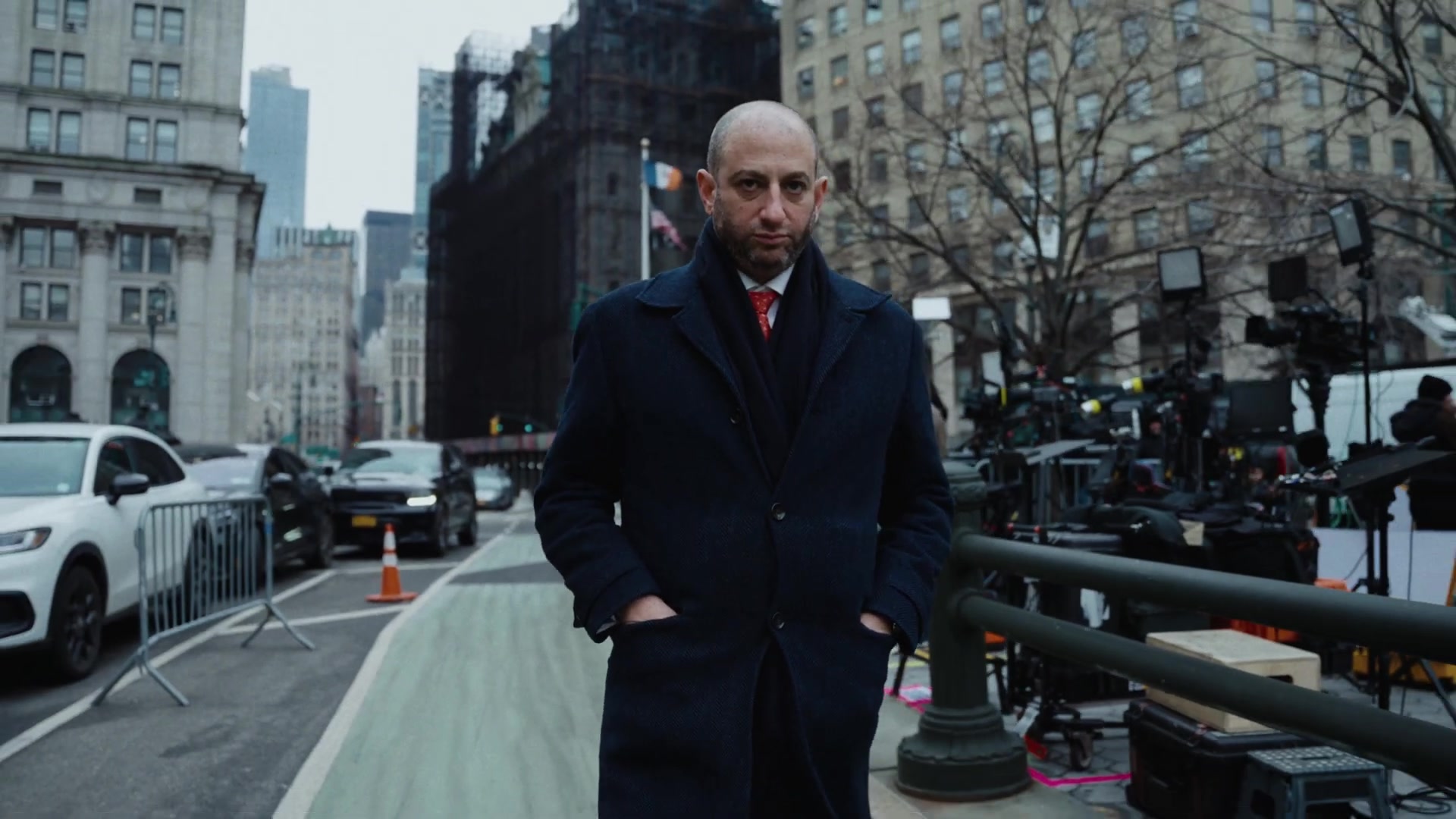
Defense Team Spotlight
Todd Spodek
Lead Attorney & Founder
Featured on Netflix’s “Inventing Anna,” Todd brings decades of experience defending clients in complex criminal cases.
Multi-State Bar
Federal Courts
US Supreme Court
Meet the Full Team →
Frequently Asked Questions
No. You have the right to remain silent and the right to an attorney. Invoke both rights immediately and contact Spodek Law Group.
Every case is different. We offer free initial consultations to evaluate your case and discuss our fee structure.
An arraignment is your first court appearance where charges are formally read. You enter a plea and bail may be set. Having an attorney present is critical.
Facing Criminal Charges And Have Questions? We Can Help, Tell Us What Happened.