
San Francisco, CA Drug Trafficking Defense Lawyers
Welcome to Spodek Law Group. If you're facing federal drug trafficking charges in San Francisco, you need to understand something that contradicts everything you think you know about this city. San Francisco - the city known nationally for progressive prosecution, lenient judges, and "soft on crime" policies - is now partnering with federal prosecutors to impose mandatory minimum sentences on street-level drug dealers. The city that pioneered progressive prosecution is using federal prison and deportation to bypass its own courts. This isn't about kingpins or cartel leaders. Federal prosecutors are targeting Tenderloin street dealers - the same defendants who would get diversion programs or misdemeanor pleas in San Francisco state court. The federal "All Hands on Deck" initiative specifically targets low-level dealers with charges that carry mandatory prison time and near-certain deportation. America's most progressive city has become the most aggressive user of federal drug enforcement tools. Our goal at Spodek Law Group is giving you the unfiltered truth about federal prosecution in San Francisco. The Northern District of California operates with a two-court reality that determines everything about your case. Same defendant, same drugs, radically different outcomes based purely on which system gets jurisdiction. Understanding that split - and what drives it - is the foundation of any defense strategy that has a chance of working here.The Progressive City's Federal Partnership
Heres the reality that catches everyone off guard. San Francisco state court judges are described by prosecutors as "notoriously lenient." Defendants get released on there own recognizance even with open cases and prior convictions. Diversion programs replace prison sentences. Pleas get reduced to accessory-after-the-fact. The local criminal justice system treats drug dealing as a public health issue, not a serious crime. So the city invited the feds. Thats not an exageration or speculation. San Francisco's District Attorney and Mayor have explicitly partnered with federal prosecutors to bypass there own court system. When someone gets arrested for dealing in the Tenderloin, prosecutors now decide wheather to file charges in state court - were defendants face minimal consequences - or refer the case federaly, were mandatory minimums apply and deportation follows conviction. The split is stark. In state court, a dealer caught with a hundred fentanyl pills might get diversion and probation. In federal court, that same quantity triggers a five-year mandatory minimum. Same defendant. Same drugs. Same city. Completley different outcomes based on which courthouse receives the file. This two-court reality means everything in San Francisco drug cases. Your entire future - wheather you serve decades or months, wheather you remain in the country or get deported - depends on prosecutorial decisions made before you ever see a courtroom. Defense counsel who dosent understand this dynamic cant protect you from its consequences.Two Courts, Two Outcomes
The sentencing disparity between state and federal court in San Francisco defys belief. Consider what happens to a mid-level dealer caught with fentanyl in the Tenderloin. In state court: Release on own recognizance. Plea to reduced charges - maybe accessory after the fact. Probation with treatment requirements. Case closed in months. No prison time. No deportation. Life continues with a misdemeanor record. In federal court: Detention pending trial. Conspiracy charges attaching you to the full quantities moved by everyone in the operation. Mandatory minimum of five or ten years depending on weight. Deportation procedings initiated before sentencing concludes. Life as you knew it ends. The federal judges in San Francisco have developed there own internal split on how to handle this reality. Two judges in the Northern District actualy refuse to participate in the fast-track prosecution program - not becuase they think its too harsh, but becuase they consider it too lenient. There demanding even longer sentences then the expedited program provides. Todd Spodek and the team at Spodek Law Group have seen this disparity destroy lives. A defendant who would have recieved probation in state court gets referred federaly and faces a decade in prison. The decision happens behind closed doors. The defendant often dosent know there case went federal until the charges are already filed. By then, the damage is done. The 248-day sentencing disparity between judges in the Northern District means even your assigned judge affects outcomes dramaticaly. Drawing one judge versus another can mean the difference between a negotiated resolution and mandatory years. This isnt justice based on conduct - its justice based on which courtroom your file lands in.Why the Feds Came to the Tenderloin
⚖ Legal Pulse: Key Statistics
15,000+
Federal Cases Filed Annually
90%
Plea Before Trial
The Honduran Connection
Heres something that reveals how federal prosecution actualy works in San Francisco. In 2024 alone, federal authorities extradited six defendants from Honduras to face charges in San Francisco. Not from Mexico. Not from Colombia. Honduras - for street-level dealing in the Tenderloin. Think about what that means. Defendants fled to Central America thinking they were safe from prosecution. The federal government tracked them down, negotiated extradition agreements, transported them back across multiple borders, and prosecuted them for Tenderloin drug sales. The resources deployed to catch these defendants exceeded anything the state system would ever invest. Of the sixteen defendants who went through San Francisco's fast-track federal prosecution program, thirteen were Honduran nationals. The Tenderloin fentanyl trade traces back to Honduran trafficking networks that have established operational presence in San Francisco. This isnt random immigration enforcement - its targeted dismantling of a specific trafficking organization. Victor Viera-Chirinos managed operations for the Honduran network before fleeing to Central America. Federal agents tracked him, secured extradition, brought him back to San Francisco, and obtained an 82-month sentence - nearly seven years in federal prison. Mayer Benegas-Medina recieved 34 months after extradition. Gustavo Erazo was extradited in December 2024 after investigators found 15 pounds of fentanyl in his apartment. The message is clear. There is no escape from federal prosecution in San Francisco. Flee to Honduras and the government will follow. The resources of federal law enforcement - international cooperation, extradition treaties, cross-border investigation - all get deployed against defendants who would have recieved probation in state court. The Honduran network's dominance in Tenderloin fentanyl distribution explains the pattern. Federal investigators traced supply chains backward and identified a consistent source. The extraditions arent random - there the systematic dismantling of an organization that had established itself in San Francisco's drug markets. Everyone connected to that network now faces the same level of federal attention.Fast-Track to Federal Prison
The federal fast-track program in San Francisco represents a dramatic departure from how federal cases normaly proceed. Traditional federal prosecution takes months or years - lengthy investigation, grand jury proceedings, extensive discovery, multiple court appearances before resolution. The fast-track program compresses this timeline into weeks. Heres how it works. Defendants arrested in the Tenderloin get offered a choice almost immediatley. Plead guilty through the fast-track program and recieve a reduced sentence. Or fight the charges through traditional federal prosecution and face the full weight of mandatory minimums if convicted. The pressure is intense. Defendants in custody - and federal prosecutors almost always seek detention - must decide within days wheather to accept a deal that means years in prison or risk a process that could mean decades. Defense counsel barely has time to review evidence before clients face life-altering decisions. Maria Valle-Rodriguez didnt take the fast-track deal. She went through traditional federal prosecution for her role in Tenderloin trafficking. Her sentence: 135 months - more then eleven years in federal prison. For comparison, eleven years exceeds what many violent offenders serve in California state prison. The federal system treats drug distribution as equivalent to serious violent crime. The fast-track conviction happens so quickly that defendants barely understand what happened. One week your on a Tenderloin corner. The next week your pleading guilty in federal court. The week after that your in federal custody awaiting transfer to whatever prison the Bureau of Prisons assigns you - potentially thousands of miles from family and support.The Judges Who Refuse the Deal
Something unusual has happened in the Northern District of California. Two federal judges have refused to participate in the fast-track prosecution program. Not becuase they oppose harsh sentences - the opposite. They refuse becuase they consider the fast-track sentences too lenient. Let that sink in. Judges in one of America's most progressive cities are rejecting a federal program becuase it dosent impose enough prison time. The internal judicial split in San Francisco creates even more uncertainty for defendants trying to understand what there facing. If your case gets assigned to one of these judges, the fast-track option disappears. Your only choices become traditional prosecution - with its full mandatory minimums - or a negotiated plea that the judge must approve. These judges have demonstrated they believe Tenderloin dealing deserves serious federal prison time. The prosecutorial efficiency of fast-track offends there sense of appropriate punishment. Spodek Law Group understands how judicial assignment affects case strategy in San Francisco. The 248-day average sentencing difference between judges in drug cases means your assigned judge shapes everything about how we approach your defense. Some judges respond to mitigation arguments. Others view any leniency as enabling the crisis. Knowing which judge you've drawn - and what that judge has done in similar cases - determines the strategic options available. The judicial split reflects broader disagreement about how San Francisco should handle its drug crisis. Some judges view federal prosecution as an unfortunate necessity created by state court failure. Others view it as appropriate punishment for conduct that genuinely harms communities. Your judge's philosophy matters as much as the facts of your case.
All Hands on Deck
Defense Team Spotlight
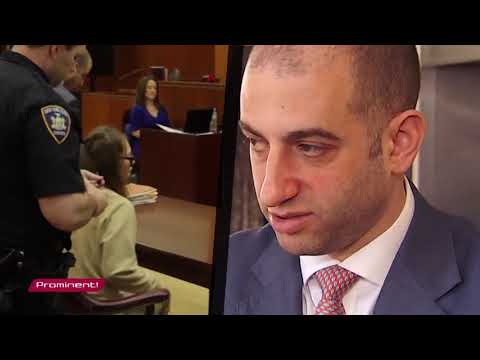
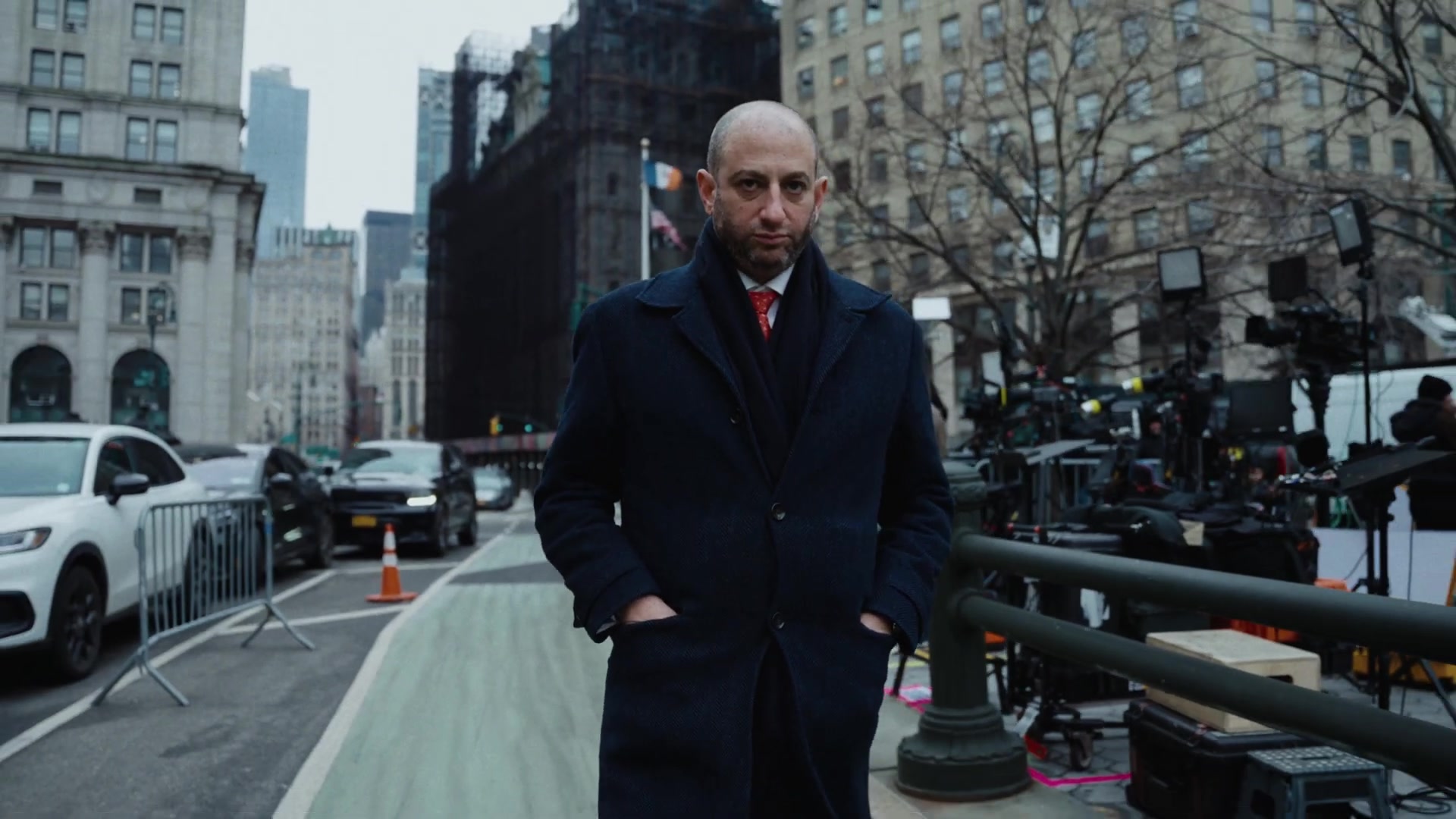
Todd Spodek
Lead Attorney & Founder
Featured on Netflix’s “Inventing Anna,” Todd brings decades of experience defending clients in complex criminal cases.
Multi-State Bar
Federal Courts
US Supreme Court
Meet the Full Team →
What Defense Actually Requires Here
Federal drug defense in San Francisco requires understanding everything weve discussed - the two-court reality, the Honduran connection, the fast-track pressures, the judicial split, the comprehensiv investigation approach. What works in state court is completley irrelevant here. Early intervention matters enormusly. If counsel gets involved before charges are filed, there may still be oportunity to affect wheather your case goes state or federal. Once the federal decision is made, options narrow dramaticaly. The difference between state probation and federal mandatory minimums often depends on advocacy that happens before any courtroom appearance. The cooperation calculation differs in San Francisco. The 5K1.1 motion - were the government asks the judge to sentence below mandatory minimums because of substantial assistance - provides the primary escape from harsh sentences. But cooperation in cases connected to Honduran trafficking networks means providing information about organizations that have demonstrated they can track people across borders. The safety calculation requires serious consideration. Challenging the federal referral decision is rarely possible but sometimes matters. If the government cant articulate why your case warranted federal prosecution rather then state handling, that weakness might affect negotiation. Demonstrating that your conduct matched hundreds of state cases that never went federal creates pressure for more reasonable resolution. The deportation defense requires immediat attention. For non-citizen defendants, federal conviction triggers removal procedings that may be unstopable regardless of ties to the United States. Defense counsel must coordinate immigration strategy with criminal defense from day one. Waiting until after conviction to address immigration consequences means defending against removal with a federal drug conviction already entered. The pretrial detention fight often determines everything that follows. Federal prosecutors in San Francisco routinely argue that any defendant connected to drug trafficking poses flight risk and danger to the community. Losing that fight means preparing your defense from inside federal custody. The pressure to accept whatever deal is offered intensifies dramatically when your sitting in detention with no release date in sight. Trial strategy in the Northern District must account for the evidence mountain that federal investigation produces. The government will have wiretaps, surveillance footage, GPS tracking data, financial records, and cooperating witness testimony. Challenging this evidence requires resources and expertise. Expert witnesses on surveillance methods. Forensic accountants to challenge money flow allegations. Investigators to interview potential defense witnesses. The preparation required for trial in a major San Francisco drug case rivals the preparation the government invested in building the case initialy. The conspiracy scope is often the most important battleground. Prosecutors want to attribute maximum quantities to every defendant - connecting street-level conduct to the full weight moved by the Honduran network or whatever organization youre alleged to have supported. Defense counsel must challenge those attributions aggressivley - demonstrating what clients actualy knew, what they could reasonabley forsee, were there involvement truly began and ended. Narrowing the conspiracy scope can mean the difference between a mandatory minimum that applies and one that dosent. If your facing federal drug charges in San Francisco - wheather involving fentanyl, methamphetamine, cocaine, or any controlled substance - the decisions you make now shape everything that follows. Every statement becomes potential evidence. Every delay narrows your options. The Northern District won't slow down because your not ready. Call 212-300-5196 for a confidential consultation. Whether you've recieved a target letter, been contacted by agents, had your home searched, or already been arrested - the analysis starts the same way. Understanding exactly what your facing in a district were progressive prosecution and federal mandatory minimums collide. Building a strategy that accounts for San Francisco's unique two-court reality. The federal system is already moving. You need to move faster.Frequently Asked Questions
No. You have the right to remain silent and the right to an attorney. Invoke both rights immediately and contact Spodek Law Group.
Every case is different. We offer free initial consultations to evaluate your case and discuss our fee structure.
An arraignment is your first court appearance where charges are formally read. You enter a plea and bail may be set. Having an attorney present is critical.
Facing Criminal Charges And Have Questions? We Can Help, Tell Us What Happened.