
Sentencing Hearings for Theft Crimes: What You Need to Know
Sentencing hearings are the hearings at which a person who has been convicted of a crime is given their sentence. Before a person can be convicted of a crime, the prosecutor must prove beyond a reasonable doubt that the accused willingly and knowingly perpetrated a crime. Different theft crimes are defined differently, but all have the taking of another individual's property or money in common. To be convicted of a theft crime, the prosecutor must also prove that the property or money that was stolen amounted to a certain documented dollar amount. It's important to understand the elements that must be proven for a conviction. These are vital components when you have your sentencing hearing. The factors relevant to your sentencing should be discussed with your defense attorney. The sooner you get in contact with your defense attorney, the more effective their counsel will be. They can consider the facts of the case, talk with you about your options, negotiate with the prosecutors for a plea deal, create a strategy should you go to trial, and act as your shield against the justice system.What is a Sentencing Hearing?
Sentencing hearings are the hearings at which a person who has been convicted of a crime is given their sentence. Before a person can be convicted of a crime, the prosecutor must prove beyond a reasonable doubt that the accused willingly and knowingly perpetrated a crime. Different theft crimes are defined differently, but all have the taking of another individual's property or money in common. To be convicted of a theft crime, the prosecutor must also prove that the property or money that was stolen amounted to a certain documented dollar amount.What Happens at a Sentencing Hearing
| Stage | What Occurs |
|---|---|
| Conviction | Person has been found guilty of crime (through plea or trial) |
| Pre-Sentence Report | Probation department prepares report on defendant's background and case |
| Sentencing Hearing | Judge hears arguments and determines appropriate sentence |
| Factors Considered | Sentencing guidelines, criminal history, case circumstances, victim impact |
| Sentence Imposed | Judge announces prison time, fines, restitution, probation, etc. |
Elements That Must Be Proven for Conviction
Before a person can be convicted of a crime, the prosecutor must prove beyond a reasonable doubt that the accused willingly and knowingly perpetrated a crime. Different theft crimes are defined differently, but all have the taking of another individual's property or money in common. To be convicted of a theft crime, the prosecutor must also prove that the property or money that was stolen amounted to a certain documented dollar amount. It's important to understand the elements that must be proven for a conviction. These are vital components when you have your sentencing hearing. The factors relevant to your sentencing should be discussed with your defense attorney.Elements Prosecutors Must Prove for Theft Conviction
| Element | What Must Be Proven |
|---|---|
| Willful Action | Accused willingly committed the act |
| Knowing Action | Accused knowingly perpetrated a crime |
| Taking of Property/Money | Another individual's property or money was taken |
| Documented Dollar Amount | Stolen property/money amounted to certain documented dollar amount |
| Beyond Reasonable Doubt | All elements proven to highest standard of proof |
Sentencing Guidelines
There are dozens of different theft crimes, and different states have slightly different definitions and statutes. As a general rule, crimes can be classified as misdemeanors or felonies. Theft crimes tend to become felonies when the property taken comes to more than $1,000. A Class E felony is the most mild felony, and it occurs in theft crimes with amounts between $1,000 and $3,000. The potential sentence for the conviction is a range of between one and three years in prison. Class D felonies, which are sums from $3,000 to $50,000, have potential prison sentences of between two and one third and seven years. Class C felonies, which are sums from $50,000 to $1,000,000, are accompanied by anywhere from five to fifteen years incarcerated. A Class B felony, which is a theft in excess of $1,000,000, has up to twenty-five years in prison and also includes a mandatory minimum incarceration period in many states.Theft Crime Classifications and Sentencing Ranges
| Classification | Stolen Amount | Potential Prison Sentence | Additional Notes |
|---|---|---|---|
| Misdemeanor | Generally under $1,000 | Typically less than 1 year (county jail) | Least serious theft classification |
| Class E Felony | $1,000 - $3,000 | 1 to 3 years in prison | Most mild felony classification |
| Class D Felony | $3,000 - $50,000 | 2⅓ to 7 years in prison | Mid-level felony |
| Class C Felony | $50,000 - $1,000,000 | 5 to 15 years in prison | Serious felony with significant incarceration |
| Class B Felony | Over $1,000,000 | Up to 25 years in prison | Includes mandatory minimum incarceration in many states |
Understanding Felony Classifications
There are dozens of different theft crimes, and different states have slightly different definitions and statutes. As a general rule, crimes can be classified as misdemeanors or felonies. Theft crimes tend to become felonies when the property taken comes to more than $1,000.Defense Preparation
Your defense will vary depending on the charges leveled against you, the exact circumstances surrounding the case, the evidence that has been gathered against you, and the prosecution's willingness to negotiate. Every person's case is unique, and there's no one-size-fits-all formula for a defense against theft charges. That's why it's so important to get in contact with an experienced defense attorney as soon as you're arrested. The best thing you can do for your defense is to get a lawyer and refuse to talk to law enforcement without your attorney present. Your defense attorney will be able to analyze and assess all of these different factors in your case, and then they'll explain the situation and your options. By talking with them, you can decide on the best defense strategy going forward.Factors That Affect Your Defense Strategy
| Factor | Why It Matters |
|---|---|
| Charges Against You | Determines potential sentencing exposure (Class E vs. Class B felony) |
| Circumstances of Case | Affects strength of defense and mitigation arguments |
| Evidence Gathered | Determines what prosecution can prove |
| Prosecution's Willingness to Negotiate | Affects whether plea deal is possible |
| Your Criminal History | Impacts sentencing and negotiation leverage |
| Your Personal Circumstances | Can be used for mitigation at sentencing |
⚖ Legal Pulse: Key Statistics
15,000+
Federal Cases Filed Annually
90%
Plea Before Trial
Why Immediate Legal Representation Matters
The sooner you get in contact with your defense attorney, the more effective their counsel will be. They can consider the facts of the case, talk with you about your options, negotiate with the prosecutors for a plea deal, create a strategy should you go to trial, and act as your shield against the justice system.- Consider the facts of the case thoroughly
- Talk with you about your options and potential outcomes
- Negotiate with prosecutors for a plea deal
- Create a trial strategy if case goes to trial
- Act as your shield against the justice system
- Protect your rights during investigation and prosecution
Working with Your Attorney
That's why it's so important to get in contact with an experienced defense attorney as soon as you're arrested. The best thing you can do for your defense is to get a lawyer and refuse to talk to law enforcement without your attorney present. Your defense attorney will be able to analyze and assess all of these different factors in your case, and then they'll explain the situation and your options. By talking with them, you can decide on the best defense strategy going forward.Critical Steps When Working with Your Defense Attorney
| Step | What You Should Do |
|---|---|
| 1. Contact Attorney Immediately | Get experienced defense attorney as soon as arrested |
| 2. Refuse to Talk to Law Enforcement | Don't speak to police without attorney present |
| 3. Let Attorney Analyze Case | Attorney will assess charges, circumstances, evidence, and prosecution's approach |
| 4. Understand Your Options | Attorney explains situation and available options |
| 5. Decide on Strategy | Work with attorney to decide best defense strategy |
| 6. Be Completely Transparent | Tell attorney everything - protected by attorney-client privilege |
Being Transparent with Your Attorney
Another important thing is to be as transparent with your attorney as possible. Your attorney is bound by attorney-client privilege, so even if you've committed a crime, they're still obligated to provide you with the best legal defense they can. By giving your attorney a full accounting of what happened and what you want from the situation, you help them to build a case strategy that works for you. Some of the things you'll want to tell your attorney include:- Who you are
- What transpired or didn't transpire
- Whether you know anything about any stolen funds or property, and if so, the details about what you know
- Whether you know anything about why any stolen funds or property were taken and how they were used
- Whether you believe there may be evidence of criminal activity that could get you or someone important to you into trouble
Understanding Attorney-Client Privilege
| What It Is | What It Means for You |
|---|---|
| Attorney-Client Privilege | Legal protection that keeps your communications with attorney confidential |
| Even If You Committed Crime | Attorney still obligated to provide best legal defense possible |
| Full Transparency Helps | Giving attorney full accounting helps them build strategy that works for you |
| Cannot Be Used Against You | What you tell attorney in confidence cannot be disclosed or used as evidence |
What Your Attorney Needs to Know
Some of the things you'll want to tell your attorney include:| Information Category | Why Attorney Needs This |
|---|---|
| Who You Are | Background, criminal history, personal circumstances for mitigation |
| What Transpired or Didn't Transpire | Full account of events to build accurate defense strategy |
| Knowledge of Stolen Funds/Property | Details about what you know help attorney assess prosecution's evidence |
| Why Funds/Property Were Taken | Understanding motive and use helps with mitigation arguments |
| Potential Evidence of Criminal Activity | Helps attorney prepare for what prosecution might discover |
Lessening Penalties
The goal of your defense attorney is to help you get through the case with the most reasonable sentence possible. In some cases, they may be able to poke enough holes in the prosecution's case to get the charges dropped before anything can go to trial. Your lawyer will also negotiate with the prosecution during the hearing process to find out whether plea deals are an option.How Your Attorney Can Reduce Your Sentence
| Strategy | How It Works | Potential Outcome |
|---|---|---|
| Challenge Prosecution's Case | Poke holes in evidence and elements of proof | Charges dropped before trial |
| Negotiate Plea Deal | Work with prosecution to agree on reduced charges or sentence | Lower classification (e.g., Class D instead of Class C) |
| Present Mitigation Evidence | Show personal circumstances, remorse, restitution efforts | Reduced sentence within guideline range |
| Challenge Dollar Amount | Contest prosecution's valuation of stolen property | Lower felony class with less prison time |
| Argue for Probation | Present factors supporting non-incarceration sentence | Probation instead of prison (for lower-level felonies) |

Plea Deal Negotiations
Your lawyer will also negotiate with the prosecution during the hearing process to find out whether plea deals are an option. Plea deals can result in:- Reduced charges - Lower felony classification
- Reduced sentence - Less prison time than guideline maximum
- Avoiding trial - Certainty of outcome rather than risk of maximum sentence at trial
- Faster resolution - Quicker path through justice system
Understanding Your Sentencing Exposure
It's important to understand the elements that must be proven for a conviction. These are vital components when you have your sentencing hearing. The factors relevant to your sentencing should be discussed with your defense attorney.Factors That Affect Your Sentence
Defense Team Spotlight
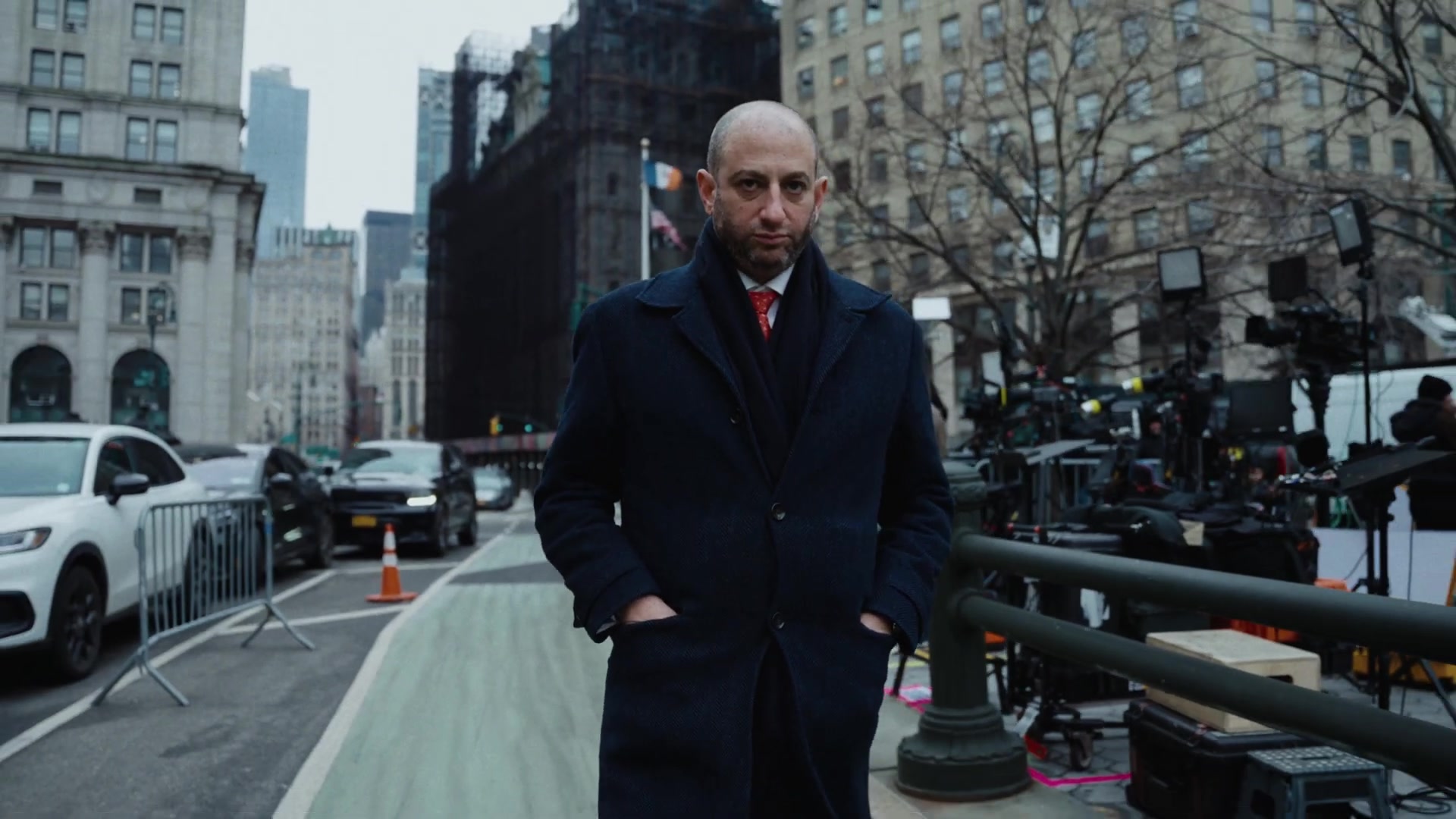
Todd Spodek
Lead Attorney & Founder
Featured on Netflix’s “Inventing Anna,” Todd brings decades of experience defending clients in complex criminal cases.
Multi-State Bar
Federal Courts
US Supreme Court
Meet the Full Team →
- Dollar amount stolen - Determines felony classification
- Criminal history - Prior convictions increase sentence
- Role in offense - Leader vs. minor participant
- Restitution - Whether you've paid back stolen property/money
- Remorse - Acceptance of responsibility
- Personal circumstances - Family, employment, mental health, addiction
- Victim impact - How theft affected victim(s)
The Importance of Early Legal Intervention
The sooner you get in contact with your defense attorney, the more effective their counsel will be. They can consider the facts of the case, talk with you about your options, negotiate with the prosecutors for a plea deal, create a strategy should you go to trial, and act as your shield against the justice system.Timeline: When to Take Action
| When | What to Do |
|---|---|
| Upon Arrest | Contact defense attorney immediately |
| Before Speaking to Police | Refuse to talk without attorney present |
| During Investigation | Attorney protects your rights and gathers evidence |
| Before Charges Filed | Attorney may prevent charges or negotiate reduced charges |
| After Charges Filed | Attorney begins defense preparation and plea negotiations |
| Before Sentencing Hearing | Attorney prepares mitigation evidence and sentencing arguments |
Misdemeanor vs. Felony Theft
There are dozens of different theft crimes, and different states have slightly different definitions and statutes. As a general rule, crimes can be classified as misdemeanors or felonies. Theft crimes tend to become felonies when the property taken comes to more than $1,000.| Classification | Amount | Consequences |
|---|---|---|
| Misdemeanor | Generally under $1,000 | County jail (less than 1 year), fines, probation |
| Felony | $1,000 or more | State prison, significant fines, lengthy probation |
Key Takeaways About Sentencing Hearings
- Sentencing hearings are where convicted person receives their sentence
- Prosecutors must prove willful and knowing actions beyond reasonable doubt
- All theft crimes involve taking another's property or money
- Conviction requires proof of documented dollar amount stolen
- Sentencing guidelines range from 1-3 years (Class E) to 25 years (Class B)
- Theft becomes felony when property exceeds $1,000 in most states
- Class B felonies ($1M+) include mandatory minimum incarceration
- Defense strategy varies based on charges, circumstances, evidence, and prosecution approach
- Contact attorney immediately upon arrest - sooner is more effective
- Never talk to law enforcement without attorney present
- Be completely transparent with attorney - protected by attorney-client privilege
- Attorney needs to know: who you are, what happened, knowledge of stolen items, potential evidence
- Attorney can lessen penalties through challenging case, plea deals, and mitigation
- Factors affecting sentence: dollar amount, criminal history, role, restitution, remorse, personal circumstances
Why You Need Experienced Defense Counsel
Your defense will vary depending on the charges leveled against you, the exact circumstances surrounding the case, the evidence that has been gathered against you, and the prosecution's willingness to negotiate. Every person's case is unique, and there's no one-size-fits-all formula for a defense against theft charges. That's why it's so important to get in contact with an experienced defense attorney as soon as you're arrested. The best thing you can do for your defense is to get a lawyer and refuse to talk to law enforcement without your attorney present.Your Attorney is Your Shield
The sooner you get in contact with your defense attorney, the more effective their counsel will be. They can consider the facts of the case, talk with you about your options, negotiate with the prosecutors for a plea deal, create a strategy should you go to trial, and act as your shield against the justice system. The goal of your defense attorney is to help you get through the case with the most reasonable sentence possible. In some cases, they may be able to poke enough holes in the prosecution's case to get the charges dropped before anything can go to trial. Your lawyer will also negotiate with the prosecution during the hearing process to find out whether plea deals are an option. [pagelist child_of="parent" class="page-list-cols-3"]Frequently Asked Questions
No. You have the right to remain silent and the right to an attorney. Invoke both rights immediately and contact Spodek Law Group.
Every case is different. We offer free initial consultations to evaluate your case and discuss our fee structure.
An arraignment is your first court appearance where charges are formally read. You enter a plea and bail may be set. Having an attorney present is critical.
Facing Criminal Charges And Have Questions? We Can Help, Tell Us What Happened.