
Should I Take My Federal Case to Trial?
Welcome to Spodek Law Group. We understand that if you are reading this, you are probably staring at the most consequential decision of your life. A federal prosecutor has charged you with a crime, and now you have to decide whether to fight at trial or accept a plea bargain. Our goal is to give you the real numbers and the real consequences so you can make an informed choice about something that will determine whether you spend years or decades in federal prison. The question "should I take my case to trial?" sounds like it has a straightforward answer. If you are innocent, you fight. If you are guilty, you plead. But here is what you need to understand right now before you read anything else: the federal criminal justice system does not work that way. The system is designed to make trial so terrifying that even innocent people plead guilty. Your constitutional right to trial by jury has been converted into your punishment for exercising it. Most people facing federal charges have a version of the same fantasy running through their heads. They picture themselves on the witness stand explaining their innocence to a jury of their peers. They imagine the moment when the verdict comes back not guilty and they walk out of the courtroom free. That fantasy happens for 0.4% of federal defendants. For the other 99.6%, the case ends in a guilty plea, a conviction at trial, or a dismissal. The trial you are imagining is statistically almost nonexistent.The 0.4% Reality That Changes Everything
Heres the number that changes how you should think about your federal case. In fiscal year 2022, according to Pew Research Center analysis, only 290 defendants out of nearly 72,000 went to trial and were aquitted. Thats 0.4 percent. Less then half of one percent actualy won at trial and walked out free. Think about what that number realy means. If you go to trial in federal court, you have roughly the same odds of winning as you do of flipping a coin and getting heads eight times in a row. The trial your imagining, the one were the jury sees the truth and sides with you against the government, happens for fewer than 1 in 200 federal defendants. Everyone else either pleads guilty or loses at trial. The numbers get even more brutal when you break them down. Of the tiny 2% of federal defendants who actualy go to trial, aproximately 83% are convicted anyway. So your not just facing long odds of going to trial. Your facing long odds of winning if you do. The federal conviction rate at trial is one of the highest in any court system in the world. Federal prosecutors dont bring cases they expect to lose. They bring cases theyve spent months or years building, with evidence theyve carefully assembled and witnesses theyve interviewed multiple times. OK so why is the acquital rate so low. Three reasons. First, federal prosecutors have nearly unlimited resources and time to build there cases before they ever file charges. Second, federal rules of evidence and procedure favor the prosecution in ways that state court rules often dont. Third, and most important, the cases that actualy go to trial are the ones were defendants refused plea offers, which means prosecutors are motivated to win and prove the defendant made the wrong choice. At Spodek Law Group, we tell clients these numbers upfront because understanding them is essential to making a real decision. The choice your facing isnt between fighting and surrendering. Its between a 0.4% chance of aquital at trial and whatever plea offer is on the table. Those are the actual odds. Everything else is fantasy. Let that sink in for a moment. Your constitutional right to trial, guarenteed by the Sixth Amendment, has been converted into a statistical near-impossibility. The system hasnt eliminated your right to trial. Its made exercising that right so dangerous that almost no one does it.How Your Constitutional Right Became Your Punishment
The Sixth Amendment to the Constitution guarentees your right to a speedy and public trial by an impartial jury. This is supposed to be your protection against government overreach. But the federal criminal justice system has created something called the trial penalty that converts this constitutional protection into your punishment. Heres how the trial penalty works. Research from the National Association of Criminal Defense Lawyers shows that defendants who go to trial and lose recieve sentences aproximately three times longer on average than defendants who plead guilty to the same charges. In some cases, the trial penalty is 8 to 10 times higher. A prosecutor might offer you 5 years to plead guilty. If you reject that offer, go to trial, and lose, you could face 40 years. Think about the math your being asked to do. Accept guilt and serve 5 years. Or maintain your innocence, exercise your constitutional right, and risk 40 years. The system presents this as a fair choice. It is not. It is coercion through consequences. The Constitution protects your right to trial. The sentencing system punishes you for using that right. The mechanism is built into the U.S. Sentencing Guidelines themselves. Section 3E1.1 gives defendants a 2 to 3 level reduction for "acceptance of responsibility," which translates to roughly 35% shorter sentences. But you only get this reduction if you plead guilty. Go to trial and lose? You get the full sentence. Plus judges often give high-end sentences to defendants who rejected plea offers and wasted court resources with a trial. Its not just the conviction that punishes you. Its the verdict AND the sentence calculation. The trial penalty is so severe that the NACDL has called it a constitutional crisis. There report states that the trial penalty "virtually eliminates the constitutional right to a trial" by making trial so risky that no rational person would choose it. This isnt hyperbole. Its how the system actualy operates. The 98% plea rate exists because the alternative is too dangerous to contemplate. Todd Spodek at Spodek Law Group has seen the trial penalty destroy clients who didnt understand it. They rejected reasonable plea offers because they wanted there day in court. They got there day in court. They lost. And they recieved sentences multiple times longer then what the government had offered. The trial penalty turned there constitutional right into there punishment.The Innocent Defendant's Impossible Math
⚖ Legal Pulse: Key Statistics
15,000+
Federal Cases Filed Annually
90%
Plea Before Trial
The Bench Trial Secret: 38% vs 14%
Heres something defense attorneys know but rarely discuss publicly. Not all trials are created equal. The type of trial you choose dramatically affects your odds of acquittal. According to Pew Research analysis, bench trials where a judge decides guilt have a 38% acquittal rate. Jury trials have a 14% acquittal rate. Same defendant, same evidence, same charges. But the person deciding guilt changes your odds by nearly three times. Why would bench trials produce so many more acquittals. Several reasons. Judges are less swayed by emotional appeals from prosecutors. Judges understand reasonable doubt as a legal standard, not just a phrase. Judges are more likely to exclude improper evidence and actualy follow exclusionary rulings. And judges have seen thousands of cases, so they recognize weak prosecution theories that might fool a jury. Judges are also generaly more skeptical of cooperating witness testimony because theyve seen how often such witnesses lie. This doesnt mean bench trial is always the right choice. Jury trials make sense when your defense depends on jury nullification, when the case involves sympathetic facts that might sway laypeople, or when the assigned judge has a reputation for siding with prosecutors. But the 38% vs 14% gap should factor into every trial decision. The bench trial option is particularly powerful in complex white collar cases. Juries often struggle with financial evidence, accounting irregularities, and technical regulatory violations. A judge who understands these concepts may be more likely to see reasonable doubt where a confused jury might just convict.When Trial Actually Makes Sense
Despite the brutal statistics, trial does make sense in certain situations. Understanding when trial is strategically smart can mean the difference between vindication and destruction. Trial makes sense when the evidence against you is genuinly weak. If the government's case depends on a single cooperating witness with credibility problems, if key evidence might be excluded as illegaly obtained, if the prosecution's theory requires logical leaps that dont hold together, trial might be worth the risk. Federal prosecutors usualy dont bring weak cases, but it does happen. Trial makes sense when the plea offer is barely better than conviction at trial. If the prosecutor is offering 15 years and conviction at trial means 20 years, the trial penalty is only 5 years. That changes the calculus. You might decide that a 17% chance of complete acquittal is worth risking 5 additional years. Trial makes sense in certain crime types. Healthcare fraud cases, for example, have produced multiple acquittals in recent years. Complex financial cases involving document-heavy evidence sometimes confuse juries into reasonable doubt. Immigration cases, by contrast, have conviction rates above 98%. The type of charge matters enormously. Trial makes sense when you have nothing to lose. If you are facing life in prison either way, if deportation is guaranteed regardless of the outcome, if your life is already destroyed by the charges themselves, trial at least gives you a chance. A small chance is better than no chance. Spodek Law Group evaluates every case for trial potential. Most cases should not go to trial. But some cases should. Knowing the difference requires understanding both the evidence and the statistics. There are also situations were trial makes sense even when the odds are bad. If your facing deportation after serving any sentence, trial gives you a chance to avoid that outcome entirely. If the charges carry collateral consequences that matter more to you then prison time, like sex offender registration or losing a professional license, trial might be worth the risk. If your reputation is already destroyed and public vindication matters to you, trial provides that possibility in a way that a guilty plea never can. The key is understanding what your actualy optimizing for. Most defendants focus exclusively on minimizing prison time. But for some people, the years in prison matter less then proving there innocence publicly. For some people, deportation is worse then additional years in custody. For some people, keeping there professional license is worth risking a longer sentence. There is no universal answer. Only your answer based on your priorities.Fighting Without Trial: Where Real Defense Happens
Heres an insight that changes how you should think about federal defense. The best defense attorneys dont fight your case at trial. They fight it before trial ever happens. About 8.2% of federal cases are dismissed before they reach the plea or trial decision. Thats where real defense work happens. Pretrial motions challenging the search warrant. Motions to suppress evidence obtained illegally. Motions to dismiss counts for insufficient evidence. Motions challenging the indictment itself. When Todd Spodek at Spodek Law Group takes a federal case, the first question isnt "should we go to trial." The first question is "what can we attack before trial becomes necessary." Can we challenge how evidence was obtained. Can we exclude statements that were coerced. Can we identify cooperating witnesses with credibility problems that undermine the entire case. Can we find weaknesses in the indictment that prosecutors overlooked. Pretrial fighting has several advantages over trial fighting. First, you dont waive anything by filing motions. You can still plead guilty later if the motions fail. Second, successful motions can dramatically improve your plea negotiating position. If the government loses a key piece of evidence, suddenly that 10 year offer becomes a 5 year offer. Third, pretrial work reveals what the government actually has, which helps you make an informed decision about trial. The 0.4% acquittal rate counts defendants who made it all the way to trial and won. It doesnt count defendants who got charges dismissed, who got key evidence suppressed, who negotiated dramatically better pleas because pretrial motions weakened the government's case. Real federal defense is about using every available tool, not just trial. Consider what happens when pretrial motions succeed. The government's star witness made inconsistant statements that get excluded. The search of your office was conducted without a proper warrant and everything seized gets suppressed. The wiretap authorization was defective and none of those recordings come into evidence. Suddenly the ironclad case against you has holes. The prosecutor who was offering 15 years is now willing to discuss 5 years. The case that seemed unwinable becomes managable. This is were experienced federal defense attorneys earn there fees. Not by promising dramatic trial victories that statisticaly almost never happen, but by methodicaly attacking every weakness in the government's case before the trial decision even arises. By the time a client has to choose between trial and plea, the best lawyers have already transformed the landscape completley.
The Tavberidze Crack in the System
Defense Team Spotlight
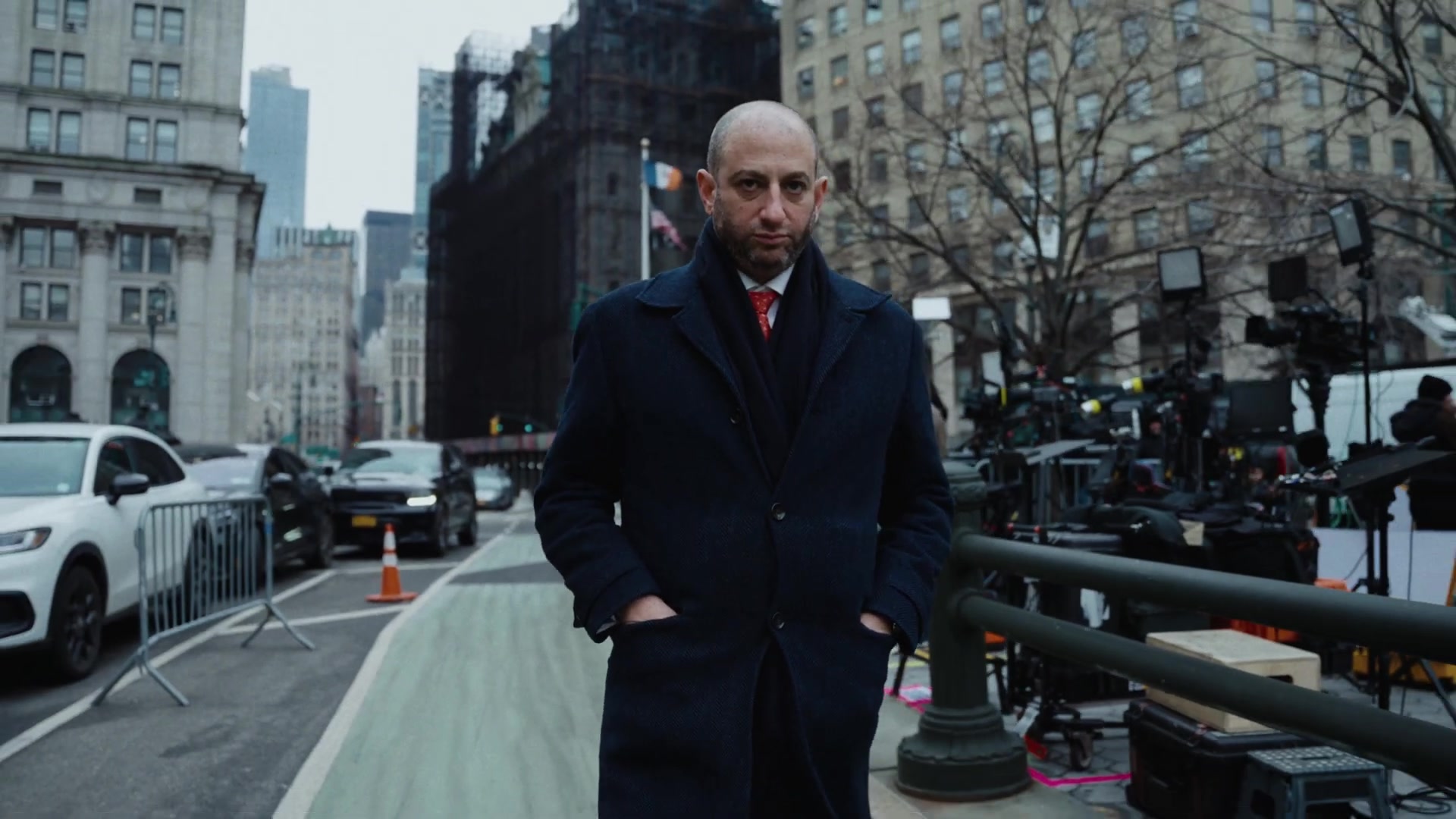
Todd Spodek
Lead Attorney & Founder
Featured on Netflix’s “Inventing Anna,” Todd brings decades of experience defending clients in complex criminal cases.
Multi-State Bar
Federal Courts
US Supreme Court
Meet the Full Team →
Frequently Asked Questions
No. You have the right to remain silent and the right to an attorney. Invoke both rights immediately and contact Spodek Law Group.
Every case is different. We offer free initial consultations to evaluate your case and discuss our fee structure.
An arraignment is your first court appearance where charges are formally read. You enter a plea and bail may be set. Having an attorney present is critical.
Facing Criminal Charges And Have Questions? We Can Help, Tell Us What Happened.