
Deciding Whether or Not to Speak to Federal Agents
Have you been investigated for a federal crime? Have you already been charged with a criminal offense? If so, then it is very likely that federal agents will appear on your doorstep and ask you questions. Federal agents may also approach your family or other contacts, or request access to search your property. At times, the U.S. Attorney's office will even send you a letter. This so-called target letter will inform you that you are the subject of an investigation and ask you to come in and speak with them. At this point in the case, you may be wondering if you should speak to federal law enforcement, and what you might say if you decide to do so. You might even feel as if you need to speak with the agents for the purpose of clearing your good name. Fight that urge. The prevalent advice is that a suspect or potential suspect in a federal crime should never speak to federal law enforcement without their federal criminal attorney present. This is the advice you should follow no matter what the details of your case may be. If you don't already have an attorney, it is vital that you secure representation as quickly as possible.I'm Currently Under Federal Investigation – Should I Speak With Federal Agents?
When you are looking at a federal criminal offense charge, you will be investigated by federal agents instead of the police. Which agency is handling your case depends greatly on the specific details of your circumstances. Numerous federal offenses are investigated by the FBI, while drug crimes are typically investigated by the DEA or U.S. Border Patrol. Many white collar crimes are investigated by the IRS. You should work with a lawyer that has experience dealing with a variety of federal agencies, and who knows what it takes to protect clients accused of federal misdemeanors and felonies.Opting to Speak With Federal Agents After a Search Warrant
Turning away federal agents who come claiming that they are investigating you is one thing, but what if they come back to your door with a warrant allowing them to stay on your property and search your premises? In this scenario, you are indeed legally obligated to allow them search whatever the warrant specifies. Nevertheless, you want to make sure you contact a qualified defense lawyer immediately, and also that you don't say anything to agents while they are conducting their search. Your defense lawyer will advise you on how to challenge unlawful searches if you need to, as well as what you can say and do to defend yourself during the investigative process.I Got a Target Letter – What Do I Do Next?
At times, you will be directly notified that you are the target of an investigation through a letter. Normally, a target letter will request your cooperation, and it can be extremely intimidating. That fact notwithstanding, you don't want to give the prosecution any information until you are able to speak with your lawyer first. The early phase of a federal criminal case is critical, as you work to set yourself up for success later on in the case. That said, you should not wait to get in touch with a qualified attorney who can help you begin communicating with the prosecution and handling the charges you are facing.⚖ Legal Pulse: Key Statistics
15,000+
Federal Cases Filed Annually
90%
Plea Before Trial

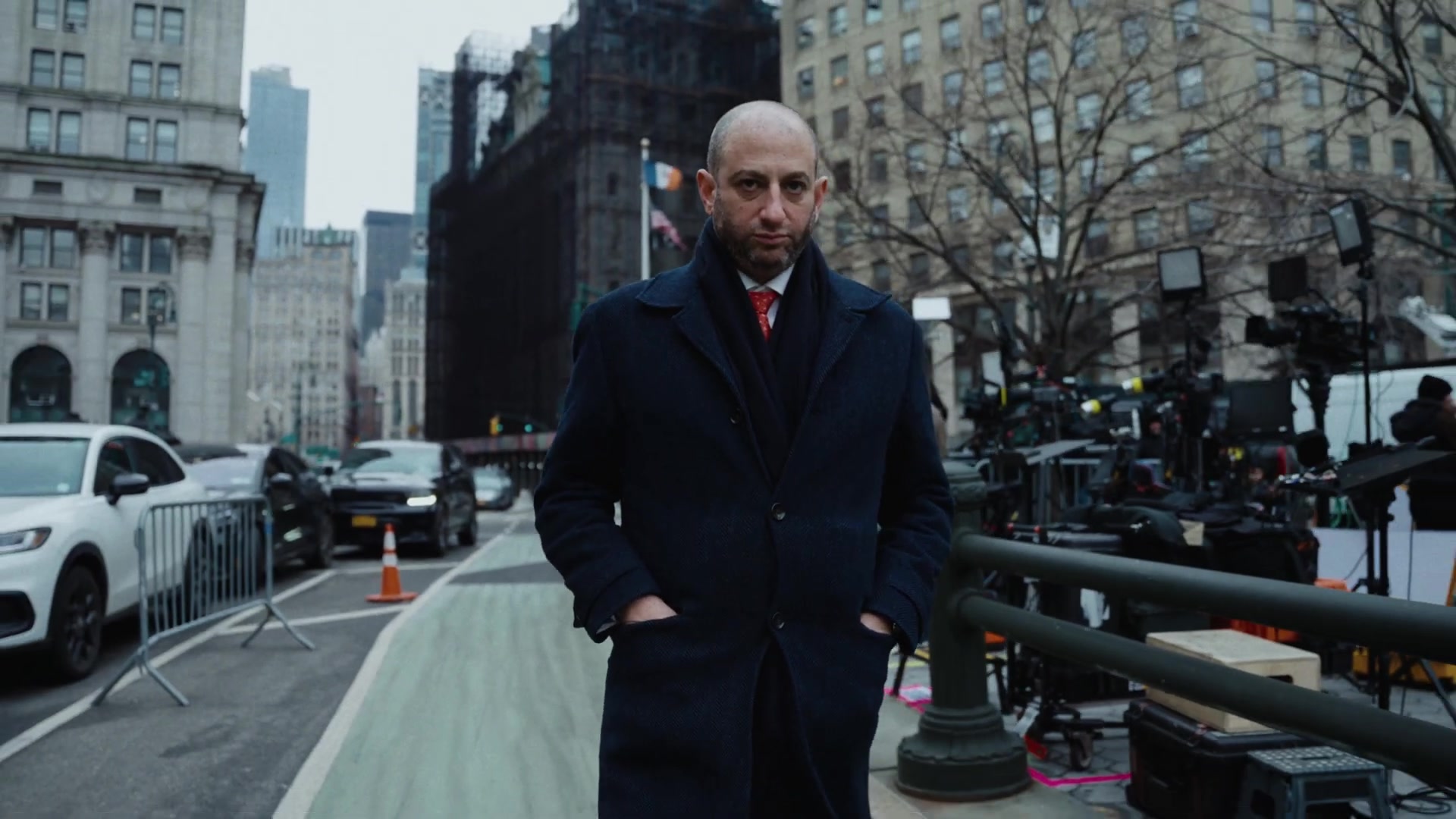
Defense Team Spotlight
Todd Spodek
Lead Attorney & Founder
Featured on Netflix’s “Inventing Anna,” Todd brings decades of experience defending clients in complex criminal cases.
Multi-State Bar
Federal Courts
US Supreme Court
Meet the Full Team →
Frequently Asked Questions
No. You have the right to remain silent and the right to an attorney. Invoke both rights immediately and contact Spodek Law Group.
Every case is different. We offer free initial consultations to evaluate your case and discuss our fee structure.
An arraignment is your first court appearance where charges are formally read. You enter a plea and bail may be set. Having an attorney present is critical.
Facing Criminal Charges And Have Questions? We Can Help, Tell Us What Happened.