
Understanding SNAP Trafficking
Trafficking is characterized as any illegal exchange of SNAP benefits. Such a crime can take many different forms and the USDA's definition encompasses six different kinds of trafficking activities:- Buying/Selling/Stealing an EBT card or its account and/or PIN number for cash or other items of value;
- Swapping firearms, ammunition, explosives or drugs for SNAP funds or for an EBT card;
- Buying items that have a bottle refund, discarding the contents and exchanging the bottle for the refund;
- Buying food with an EBT card for resale to someone else for cash;
- If an SNAP participant purchases food with their EBT card, then exchanges it to a SNAP retailer store for cash or credit, that's trafficking.
- Disbursing "cash back" on an EBT transaction, regardless of whether or not the proprietor of the store or any of its employees benefit financially from the transaction.
How do I Know if I Have Been Charged with Trafficking?
There are three ways that grocery store owners can be charged with trafficking. All three involve the receipt of a letter. The "Charge Letter", as it is called, is delivered by UPS overnight from the FNS. This letter spells out the specific allegations being charged against your store. The most common trafficking charge is referred to as an "EBT" case. EBT is short for Electronic Benefit Transfer, but it is a data analysis case. The Charge Letter looks like this:SNAP Trafficking Charge Letter
⚖ Legal Pulse: Key Statistics
15,000+
Federal Cases Filed Annually
90%
Plea Before Trial
Undercover Retailer Investigations Branch Charge
Another type of trafficking charge letter is sent by the Retailer Investigations Branch, or RIB. These charges came about because an undercover agent from the USDA secretly shopped in your store. Such a letter will come with an affidavit attached to it that look like this: Undercover agent affidavit Such cases are much more oriented in the minute details than the EBT driven cases. Without an attorney, your chances are low of mounting a successful defense. We do offer you a free consultation, so if you got one of these letters in the mail, contact us as quickly as you can.Office of Inspector General Investigation
The final charge letter comes at the culmination of an Office of Inspector General investigation. OIG also conducts undercover investigations, but these are customarily conducted for the purposes of bringing criminal charges. An OIG charge letter looks like this: All of these charge letters mean criminal investigations, although they do not always end up in criminal charges against the business or it's proprietor. We strongly advise you against attempting to handle such matters on your own, again, we can give you a consultation free of charge to help grocery store owners to avoid making their problems bigger.What Steps You Should Take If You Are Charged with SNAP Trafficking
SNAP trafficking cases are grievous. Due to their far-reaching effects, you need to fight the charges brought by the USDA. We have compiled a SNAP Violation Guidebook that shows you how these kinds of cases work and what you can expect from our representation. The first steps are often the most critical steps of the entire process. That said, here's a quick guide to help you understand what we are going to need from you as your legal counsel:
- All transaction receipts that show the purchased items in the transactions indicated by the USDA.
- Your store's inventory records, this can include invoices and receipts for the food your store has purchased.
- The business tax records (like sales tax and 1040's) are indeed useful.
- Your profit and loss statements are also helpful.
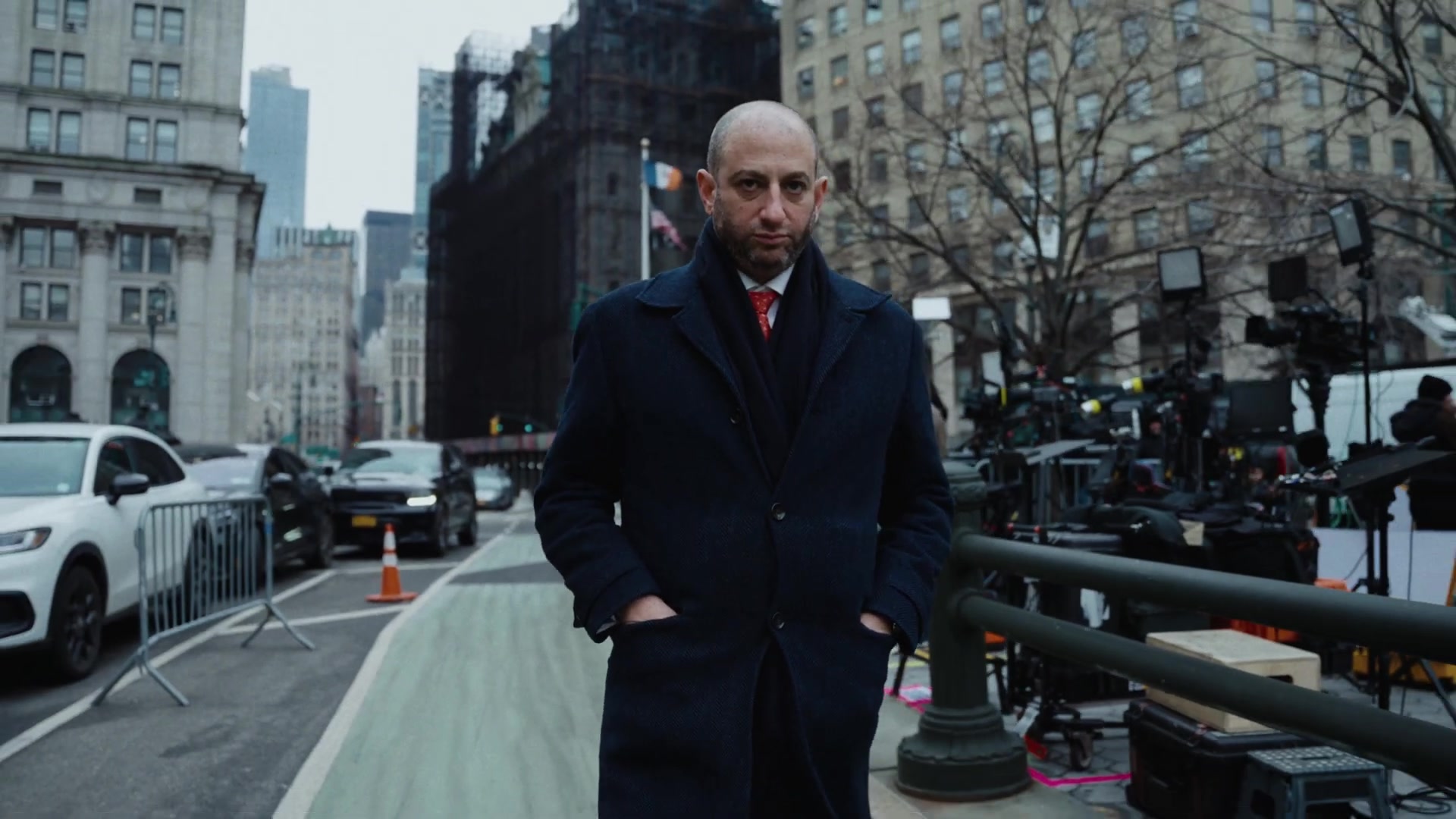
Defense Team Spotlight
Todd Spodek
Lead Attorney & Founder
Featured on Netflix’s “Inventing Anna,” Todd brings decades of experience defending clients in complex criminal cases.
Multi-State Bar
Federal Courts
US Supreme Court
Meet the Full Team →
Frequently Asked Questions
No. You have the right to remain silent and the right to an attorney. Invoke both rights immediately and contact Spodek Law Group.
Every case is different. We offer free initial consultations to evaluate your case and discuss our fee structure.
An arraignment is your first court appearance where charges are formally read. You enter a plea and bail may be set. Having an attorney present is critical.
Facing Criminal Charges And Have Questions? We Can Help, Tell Us What Happened.