
SNAP Violations: Retailers and Recipients
Overview of SNAP Rules and Regulations
The Supplemental Nutrition Assistance Program (SNAP) contains a wealth of rules and regulations intended to ensure that needy households have necessary food. Violations of the SNAP rules undermine the purpose of the program. If you're a retailer who serves SNAP recipients or you're one yourself, you should take these regulations and any charges that you violated them seriously. Here are some of the ways that you might find yourself in violation of SNAP.Buying and Selling SNAP Benefits
Trafficking is the practice of recipients and retailers swapping SNAP benefits and cash or other items not allowed with SNAP benefits. Typically, the recipient sells the EBT card or the PIN number to the retailer and receives cash for it. This allows the recipient to either pocket the cash or buy non-food items. For recipients engaged in trafficking, criminal penalties can range from one to as much as 20 years in prison and fines spanning between $5,000 and $250,000, depending on the amount of money involved in the trafficking. Further, federal law treats trafficking as an "Intentional Program Violation" and disqualifies the recipient and the household from receiving SNAP benefits for 12 months, 24 months or permanently. The length is based on the number of prior IPVs. A recipient may also traffick by selling the SNAP benefits for weapons, ammunition and drugs. In such a case, the disqualification lasts forever. Recipient traffickers may also have to repay to the government the cash or other value they received. Trafficking retailers often use the EBT cards to stock their inventories for resale. If you're caught trafficking, it can permanently cost you participation in program unless the Food Nutrition Service (FNS), or the state agency, imposes a civil monetary penalty in place of disqualification. Criminal prosecution may also occur.Buying Ineligible Items
⚖ Legal Pulse: Key Statistics
15,000+
Federal Cases Filed Annually
90%
Plea Before Trial
Buying Food on Credit
A recipient runs low on the EBT card or the balance is not sufficient to complete the order. You, trying to be a helpful retailer, allow the recipient to obtain the merchandise and come back later to pay when the EBT card has enough funds. This form of selling on "credit", while perhaps an understandable effort to help those in need, violates SNAP rules. Amounts on an EBT card can pay only for food purchased at the time the recipient uses the card. Customers may cover any shortfalls with cash, check or some payment method other than the EBT card. Retailers are prohibited retaining or using EBT personal identification numbers as a repayment method. In fact, obtaining the PIN numbers from recipients is itself a violation.Pricing Violations
Certain pricing practices also violate SNAP. Stores cannot charge SNAP recipients more for an item than non-recipients. Minimum purchase requirements to use EBT cards, charging sales tax on eligible food items, concealing sales taxes in the purchase price and failing to display the price of items also run afoul of the rules.False Statements by Retailers on an Application
If you're a retailer, you commit food stamp fraud when retailers supply false information on applications to be licensed SNAP retailers. FNS looks for misrepresentations of the identity of individual owners or officers of a retail store or a company that owns the store. This often happens where the applicant has been disqualified, either permanently or for some other period of time, and seeks to conceal their participation. Retailers may also be caught misrepresenting the types of foods they regularly offer or the proportion of their sales in staple foods. You may qualify for participation in the SNAP program by earning more than 50 percent of its revenues from meats, vegetables, dairy products, bread and other staples. Soft drinks, candies, spices, condiments and prepared ready-to-eat foods do not count.Selling a Disqualified Store
You find your store barred from the SNAP program some period of time, say 24 months. In that time, you ponder and go through with selling it. If you sell it before the disqualification period ends and your buyer then becomes a SNAP retailer, you get a civil monetary penalty. FNS or your state food stamp agency, will also want proof that you have no relationship to the buyer. Acceptable documentation of your complete separation from the buyer may include, but is not necessarily limited to, corporate filings or documents that show you're not a manager, director or officer.
False Statements by Recipients

Defense Team Spotlight
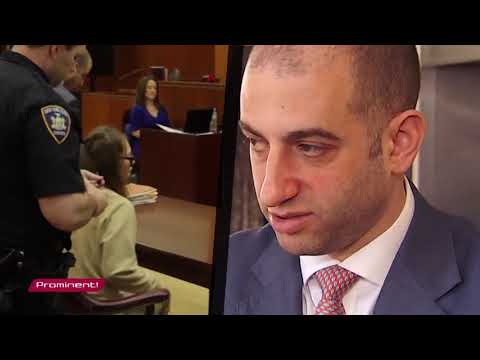
Todd Spodek
Lead Attorney & Founder
Featured on Netflix’s “Inventing Anna,” Todd brings decades of experience defending clients in complex criminal cases.
Multi-State Bar
Federal Courts
US Supreme Court
Meet the Full Team →
Getting Legal Help
Whether you are a retailer or recipient, SNAP attorneys can represent you in administrative, civil or criminal proceedings to defend SNAP violation charges.Frequently Asked Questions
No. You have the right to remain silent and the right to an attorney. Invoke both rights immediately and contact Spodek Law Group.
Every case is different. We offer free initial consultations to evaluate your case and discuss our fee structure.
An arraignment is your first court appearance where charges are formally read. You enter a plea and bail may be set. Having an attorney present is critical.
Facing Criminal Charges And Have Questions? We Can Help, Tell Us What Happened.