
The 10-Year Lie: Why Your "Deadline" Isn't Real
Lets start with what everyone thinks they know. Congress extended the statute of limitations for PPP and EIDL fraud from five years to ten years in August 2022. President Biden signed two laws - the PPP and Bank Fraud Enforcement Harmonization Act and the COVID-19 EIDL Fraud Statute of Limitations Act. This means if you got a loan in 2020, prosecutors have until 2030 to charge you. Simple math. Clear deadline. Wrong conclusion. Heres the thing nobody explains. The ten-year period dosent start from when you recieved the loan. It starts from the date of your last fraudulent act related to that loan. For most people, that's not the loan application. Its the forgivness application they submitted months or years later. Think about the timeline. You got your PPP loan in April 2020. You spent the money. Then in January 2022, you submitted your forgivness application - maybe with some information that wasnt entirely accurate. That forgivness application is your last fraudulent act. Your clock started in January 2022, not April 2020. Your actual deadline is January 2032, not April 2030. Thats two extra years of criminal exposure that most people dont even know they have. Two extra years of looking over there shoulder. Two extra years were a sealed indictment could drop. And it gets worse. If you submitted multiple applications - maybe a first-draw and a second-draw loan - each one has its own timeline. Your second-draw loan from January 2021 has a deadline of January 2031. Your forgivness applications extend those deadlines even further. The 10-year "deadline" is actually the starting point for calculating when prosecutors can still charge you - and most people are counting from the wrong date.When Your Clock Actually Started (It's Not When You Think)
The "last fraudulent act" doctrine is were cases are won or lost. Todd Spodek explains this to every client who walks through the door counting down to a deadline that dosent apply to them. The question isnt when you got the loan. The question is: what was the last thing you did that could be considered fraudulent? Heres how the timeline actualy works for most PPP borrowers. You submitted your loan application in spring 2020. Thats one potential start date. You recieved the funds - maybe in April or May 2020. Thats another potential date. You spent the money over the next 8-24 weeks. If any of that spending was improper, each expenditure could be a seperate fraudulent act with its own timeline. Then you submitted your forgivness application - maybe in 2021 or even 2022. If there were any false statements on that application, thats your last fraudulent act. The clock starts there. But wait - it gets more complicated. Did you get a second-draw PPP loan in 2021? Thats a seperate loan with a seperate timeline. Did you get an EIDL loan with ongoing repayment obligations? Any false statements you make in connection with that loan - maybe to avoid default or get a modification - could set a new last-act date. EIDL loans had ongoing requirements that extended well beyond PPP loans. At Spodek Law Group, weve seen clients who thought there deadline was 2030 discover it was actualy 2032. Weve seen clients who thought they were in the clear becuase five years had passed - only to learn the retroactive extension applied to them. The extension wasnt prospective (applying only to future loans). It was retroactive (applying to loans already issued). That means the rules changed after you already played the game. Consider the conspiracy angle. If your PPP fraud involved multiple people - maybe an accountant who prepared false documents, or a business partner who knew the applications were fake - the statute of limitations for the conspiracy runs from when the conspiracy ended, not when it began. A conspiracy "ends" when the last co-conspirator takes the last act in furtherence of the scheme. If someone else was still benefitting from the fraud or concealing evidence in 2022, your clock might not have even started until then.Tolling: How the Government Pauses Your Clock
⚖ Legal Pulse: Key Statistics
15,000+
Federal Cases Filed Annually
90%
Plea Before Trial
The Sealed Indictment Trap
Heres the part that should keep you up at night. A federal grand jury can return an indictment against you - charging you with crimes - and that indictment can be kept sealed. Secret. Hidden. You have no way of knowing it exists. As long as the indictment is returned before the statute of limitations expires, the deadline is satisfied. The prosecution is preserved even if the indictment isnt unsealed for months or years afterward. Think about what that means. You could be charged right now and not know it. Someone could have reported your loan in 2024, prosecutors could have investigated, a grand jury could have indicted you in 2025 - and you wont find out until 2027 or 2028 when the case is unsealed. The entire time your counting down to your "deadline," the deadline has already been satisfied. Your just waiting to find out. The mechanics of sealed indictments are straightforward but devistating. A federal prosecutor presents evidence to a grand jury. The grand jury votes to indict. The indictment gets filed with the court - but its sealed. The docket entry exists, but its hidden from public view. No one outside the prosecutorial team and the court knows it exists. You cant search for it. Your lawyer cant find it. There is literaly no way to know whether youve been secretly charged. Why would prosecutors seal an indictment? Several reasons. Maybe their still investigating co-conspirators and dont want to tip them off. Maybe their coordinating with other agencies or other districts. Maybe their waiting for a strategic moment to make arrests. Maybe their just managing there caseload and arent ready to prosecute you yet. The reasons dont matter to you. What matters is that the charging deadline was satisfied even though you have no idea it happened. How long can an indictment stay sealed? Theres no hard limit. Some stay sealed for months. Some for years. The longest sealed indictments in white-collar cases have remained hidden for decades - though thats rare. In PPP fraud cases, weve seen indictments sealed for 6-18 months before being unsealed for arrests. The defendants thought they were safe. They thought no news was good news. They were wrong. Sealed indictments in white-collar cases are actualy fairly common. Prosecutors use them when there investigating co-conspirators, when there trying to avoid tipping off targets, or when there coordinating with other agencies. PPP fraud cases - which often involve multiple defendants, complex financial transactions, and overlapping investigations - are exactly the type were sealed indictments make sense. Todd Spodek has seen this play out in case after case. The client thinks their safe becuase years have passed without contact from investigators. They assume no contact means no investigation. Wrong. It often means theres a sealed matter they know nothing about. The investigation happened in silence. The grand jury returned an indictment in silence. And the unsealing will happen whenever prosecutors are ready - regardless of what the defendant thinks there timeline looks like.Why 2029-2030 Will Be the Most Dangerous Years
If you got your PPP loan in 2020, your statute of limitations expires sometime around 2030-2032 depending on your last fraudulent act. That means 2029 and early 2030 are going to be extremely dangerous periods for anyone with potential exposure. Heres why. Prosecutors know the deadlines are approaching. They have hundreds of open investigations that need to result in charges before the statute expires. As deadlines loom, the pressure to file cases intensifies. Cases that might have been deprioritized suddenly become urgent. Borderline cases that prosecutors might have passed on get charged becuase its now-or-never. The Department of Justice has made clear that pandemic fraud prosecutions will continue through at least 2030. They have over 700 active investigations right now. They're adding more every month. Historically, prosecutors rush to file cases as statutes of limitations approach. A surge of indictments is expected in 2029 and early 2030 as federal prosecutors work to get cases filed before deadlines expire. This is when the sealed indictment strategy becomes most dangerous. Prosecutors can file sealed indictments in December 2029 - one month before your statute expires - and not unseal them until 2031 or 2032. The charging deadline was met. The case proceeds whenever prosecutors are ready. At Spodek Law Group, we expect to see a significant increase in PPP fraud indictments starting in 2028 and accelerating through 2030. If your waiting for your deadline to pass so you can finally relax, your actually entering the highest-risk period. This is when cases that have been building quietly for years finally become public. This is when sealed indictments get unsealed. This is when the people who thought they escaped discover they didnt. And remember - once charges are filed, the case proceeds regardless of the original statute of limitations. A case filed in December 2029 might not go to trial until 2031. Appeals could extend it to 2033 or beyond. The statute only applies to when charges must be FILED, not when the case must be COMPLETED. The pattern from other major fraud prosecutions tells us exactly what to expect. After the savings and loan crisis of the 1980s, prosecutors rushed to file cases in the final years before statutes expired. After Enron, the same pattern emerged. After the 2008 financial crisis, federal prosecutors filed waves of mortgage fraud indictments in the years leading up to statute expiration. PPP fraud will follow this same trajectory - a quiet early phase, followed by an avalanche of cases as deadlines approach. What makes PPP fraud different is the sheer volume. The government has identified over 669,000 potentially fraudulent loans. Even if only 10% result in prosecution, thats 67,000 cases. The federal court system processes roughly 80,000 criminal cases per year total - all crimes combined. PPP fraud alone could overwhelm the system if prosecutors tried to charge everyone at once. Instead, theyll triage. The biggest cases first. The most egregious fraudsters first. Then working down the list as capacity allows. Your case might not be a priority today. That dosent mean it wont be a priority in 2028.What This Means for Your Defense Strategy
By now you understand why the statute of limitations offers much less protection than most people think. The 10-year period is actually a minimum. Your specific deadline depends on your last fraudulent act, not your first. Tolling can extend it further. Sealed indictments can satisfy it without your knowledge. And the years approaching your deadline are the most dangerous, not the safest. Heres what this means for your defense: Stop counting on a deadline that might not apply to you. If you submitted a forgiveness application after your original loan, your clock started later than you think. If you got multiple loans, each has its own timeline. If you spent significant time outside the US, add that time to your exposure. The deadline you've been counting down to might be years away from your actual exposure. Understand that no contact doesn't mean no investigation. Federal investigations run silently for months or years. Sealed indictments exist specifically so prosecutors can charge you without alerting you. The fact that nobody has knocked on your door doesn't mean you're safe. It might mean the case is building quietly while you relax into a false sense of security. The approaching deadline is the danger zone, not the safety zone. If you think you're almost in the clear because 2030 is approaching, you've got it backwards. This is when prosecutors will be most aggressive about filing cases. This is when sealed indictments are most likely. This is when the statute becomes a weapon in the government's hands, not yours. Early intervention changes everything. Todd Spodek always tells clients the same thing: the worst time to get a lawyer is after you're charged. The second-worst time is after you receive a target letter. The best time is now - before any of that happens - when there's still room to influence the investigation's trajectory. Waiting for your deadline to pass isn't a strategy. It's gambling with your freedom. Spodek Law Group has handled hundreds of federal fraud cases. We understand how statute of limitations works in practice, not just in theory. We've seen clients who thought they were safe discover sealed indictments. We've seen clients counting down the wrong deadline. We've seen what happens when people wait instead of acting. Call us at 212-300-5196 before you talk to anyone else. The consultation is free. The mistake of waiting isn't. The statute of limitations isn't a countdown to safety. It's a countdown to the most dangerous period of your life. Every day you spend counting down to the wrong date is a day you could have spent preparing for what's actually coming. The deadline you're relying on probably doesn't apply to you the way you think it does. And by the time you realize that, it might be too late to do anything about it.
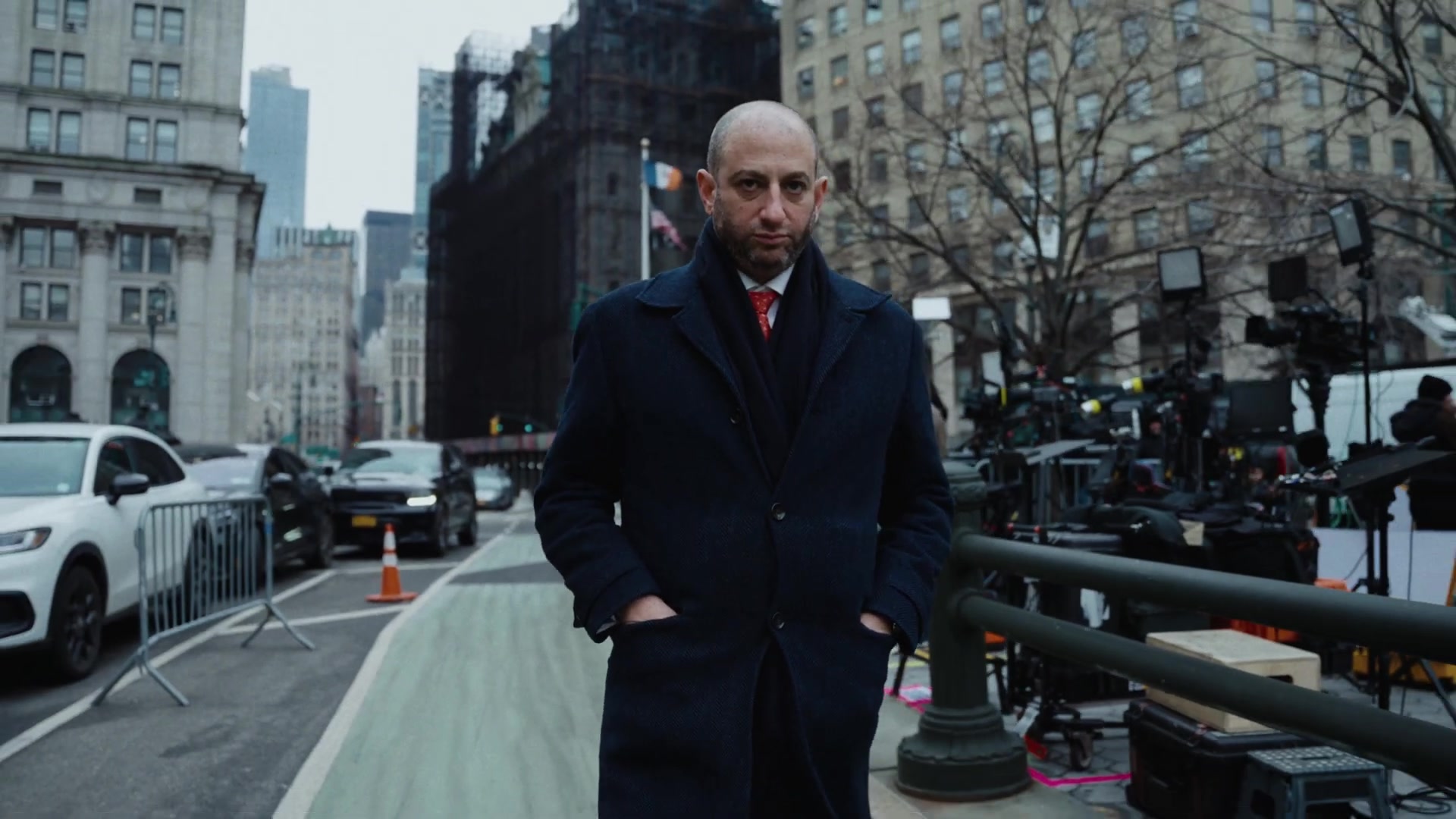
Defense Team Spotlight
Todd Spodek
Lead Attorney & Founder
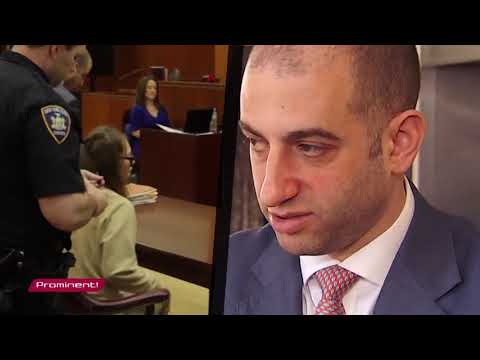
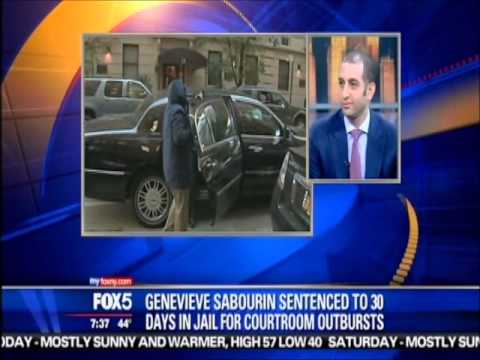
Featured on Netflix’s “Inventing Anna,” Todd brings decades of experience defending clients in complex criminal cases.
Multi-State Bar
Federal Courts
US Supreme Court
Meet the Full Team →
Frequently Asked Questions
No. You have the right to remain silent and the right to an attorney. Invoke both rights immediately and contact Spodek Law Group.
Every case is different. We offer free initial consultations to evaluate your case and discuss our fee structure.
An arraignment is your first court appearance where charges are formally read. You enter a plea and bail may be set. Having an attorney present is critical.
Facing Criminal Charges And Have Questions? We Can Help, Tell Us What Happened.