
Triple Damages Under the False Claims Act for PPP Fraud
Thanks for visiting Spodek Law Group – a second-generation law firm managed by Todd Spodek. We have over 40 years of combined experience defending federal civil and criminal cases. If you obtained a PPP loan through fraud, you face more than just criminal prosecution. The Department of Justice can sue you under the False Claims Act for triple damages plus massive civil penalties – and they're doing it aggressively in 2025.The False Claims Act Triples Your Exposure
The False Claims Act, 31 USC §3729, allows the government to recover three times the amount of damages it suffered from fraud. If you obtained a $100,000 PPP loan fraudulently, the civil exposure is $300,000 in treble damages – before penalties. This isn't a criminal penalty. It's a civil remedy. The government doesn't need to prove guilt beyond a reasonable doubt. They only need to show by a preponderance of the evidence that you knowingly submitted a false claim. In September 2025, Third Way – a non-profit organization – agreed to pay $1,949,542 to resolve False Claims Act allegations involving a PPP loan of $974,771. The settlement was exactly double the loan amount, showing that DOJ is using a multiplier of 1.5 to 2 rather than the full treble damages in negotiated settlements. But if you don't settle and the government wins at trial, they get the full triple damages amount. The statute gives them that right.Civil Penalties Add Tens of Thousands Per Claim
On top of treble damages, the False Claims Act authorizes civil penalties adjusted annually for inflation. In 2025, the penalty is up to $28,619 per false claim. Each fraudulent PPP loan application can count as a separate false claim. If you submitted three applications, that's potentially $85,857 in penalties on top of triple damages. The penalties alone can exceed the underlying fraud amount in small cases. Say you obtained $20,000 through a fraudulent PPP application. The civil exposure is $60,000 in treble damages plus $28,619 in penalties – a total of $88,619. You stole $20,000 and you owe nearly $90,000.What Counts as a False Claim
A false claim under the FCA includes any request for payment from the government based on fraudulent information. Submitting a PPP loan application with false certifications about your business, employees or payroll qualifies. The certification that you met the necessity requirement – that economic conditions made the loan necessary to support ongoing operations – is a claim. Courts have held that falsely certifying necessity constitutes a false claim even if your business technically existed. Using someone else's Social Security number or EIN on the application creates an additional false claim. Submitting fake tax documents or fabricated payroll records creates more false claims. Each false statement or document can be counted separately.You Don't Need a Criminal Conviction to Face FCA Liability
⚖ Legal Pulse: Key Statistics
15,000+
Federal Cases Filed Annually
90%
Plea Before Trial
Qui Tam Actions Let Private Whistleblowers Sue You
The False Claims Act allows private individuals to file qui tam lawsuits on behalf of the government. These whistleblowers – called relators – can be former employees, business partners, co-conspirators or anyone with knowledge of your fraud. The relator files a sealed complaint that remains under seal while DOJ investigates. If DOJ intervenes and takes over the case, the relator receives 15-25% of the recovery. If DOJ declines to intervene and the relator proceeds alone, they get 25-30% of any judgment or settlement. In September 2025, six non-profit organizations paid over $3 million to resolve FCA allegations involving PPP loans. These cases likely started with whistleblower complaints from employees who knew the organizations didn't qualify for the loans. Qui tam cases create massive liability because the relator's attorneys are motivated by contingency fees. They'll dig through your records looking for every possible false claim to maximize the damages.Whistleblowers Are Everywhere
Your bookkeeper knows if you fabricated payroll records. Your accountant knows if you submitted fake tax returns with the PPP application. Your business partner knows if the business didn't really exist. Any of them can file a qui tam complaint. Co-conspirators flip on each other constantly. If you recruited someone else to submit a fraudulent PPP application and they get caught, they'll give you up to reduce their own liability. They might even file a qui tam action against you to earn a reward. The statute of limitations for FCA cases is six years – or ten years for PPP and EIDL fraud specifically under the COVID-19 EIDL Fraud Statute of Limitations Act. Whistleblowers can file complaints years after the fraud occurred.Settlements Require Full Cooperation and Disclosure
When DOJ pursues FCA cases for PPP fraud, most defendants settle rather than go to trial. But settlements require full disclosure of assets and complete cooperation with the investigation. The settlement agreements typically include multipliers of 1.5 to 2 times the loan amount rather than full treble damages. Third Way paid double the loan amount in their September 2025 settlement. That's still painful, but better than triple damages plus maximum penalties. Settlements also include ongoing reporting obligations and compliance monitoring. Non-profits that settled PPP fraud cases agreed to implement enhanced internal controls, conduct independent audits and report to DOJ for multiple years. If you violate the settlement terms, the government can seek additional damages and penalties. Settlement agreements aren't a clean break – they impose long-term obligations.
FCA Judgments Last 20 Years and Accrue Interest
Civil judgments under the False Claims Act are collectible for 20 years and can be renewed indefinitely. They carry post-judgment interest at the federal rate – currently around 5% annually. A $200,000 FCA judgment grows by $10,000 per year in interest. After ten years, you owe $300,000. After twenty years, you owe $400,000. The debt doesn't go away. The government has aggressive collection tools. They can garnish wages, levy bank accounts, seize tax refunds, place liens on real estate and foreclose on property. They'll pursue collection until you pay in full or die. FCA judgments aren't dischargeable in bankruptcy. You can't wipe them out through Chapter 7 or restructure them in Chapter 13. They survive bankruptcy and continue accruing interest.Criminal and Civil Cases Proceed on Parallel Tracks
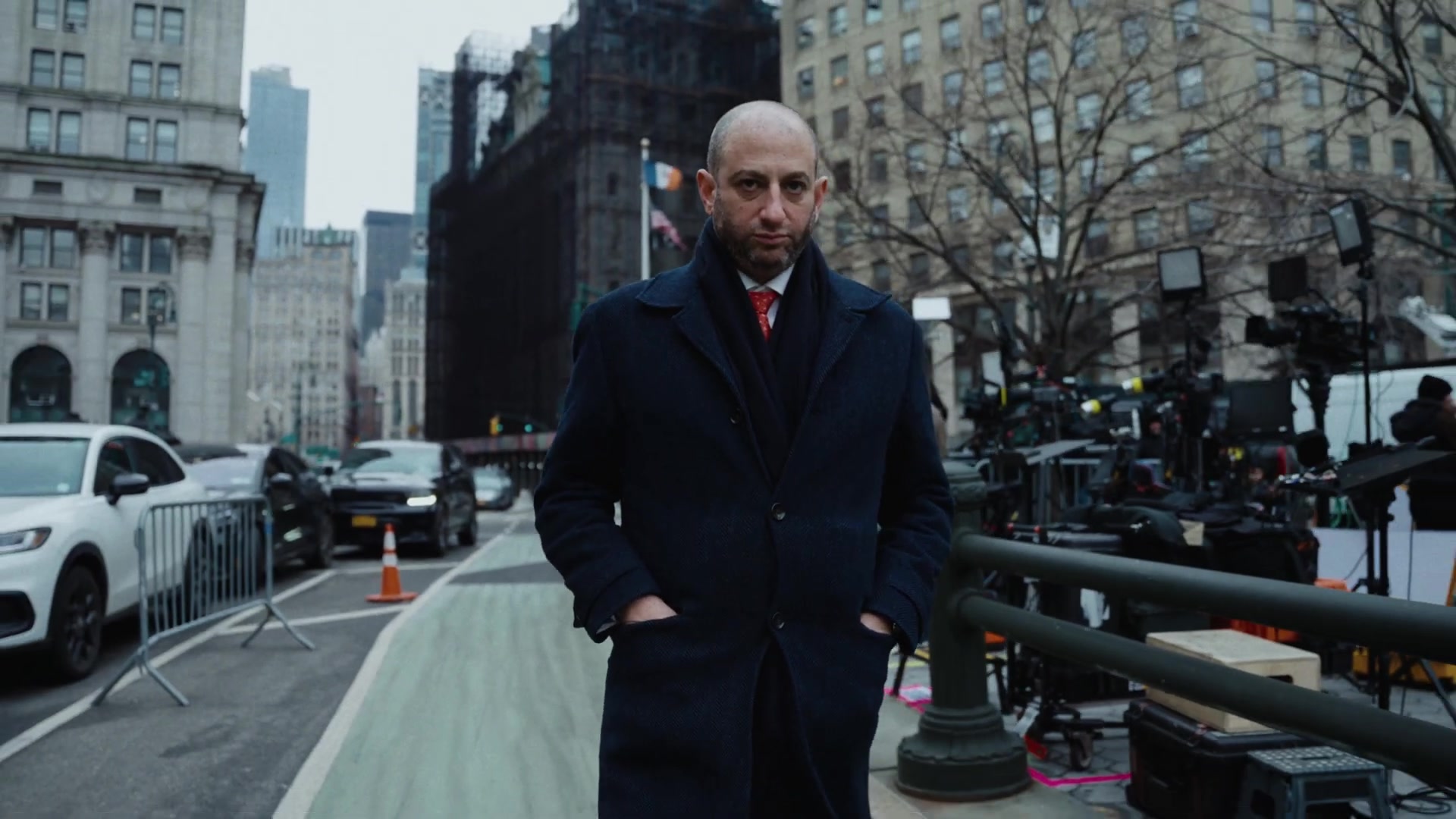
Defense Team Spotlight
Todd Spodek
Lead Attorney & Founder
Featured on Netflix’s “Inventing Anna,” Todd brings decades of experience defending clients in complex criminal cases.
Multi-State Bar
Federal Courts
US Supreme Court
Meet the Full Team →
Why You Need Counsel Who Handles Both Criminal and Civil Fraud
At Spodek Law Group, we defend clients in both criminal prosecutions and False Claims Act litigation. Todd Spodek has over 40 years of combined experience across civil and criminal federal cases. Our team includes former federal prosecutors who understand how DOJ coordinates parallel proceedings. We negotiate global settlements that resolve both criminal and civil exposure simultaneously. We work with forensic accountants to challenge loss calculations and demonstrate inability to pay treble damages. We identify defenses unique to FCA cases – like the public disclosure bar and the government knowledge defense – that can defeat qui tam actions. If you received a PPP loan and you're worried about civil liability under the False Claims Act, contact us immediately. Early intervention can sometimes prevent qui tam suits from being filed or convince DOJ not to intervene in pending cases. Once judgment is entered, your options narrow considerably.Frequently Asked Questions
No. You have the right to remain silent and the right to an attorney. Invoke both rights immediately and contact Spodek Law Group.
Every case is different. We offer free initial consultations to evaluate your case and discuss our fee structure.
An arraignment is your first court appearance where charges are formally read. You enter a plea and bail may be set. Having an attorney present is critical.
Facing Criminal Charges And Have Questions? We Can Help, Tell Us What Happened.