
The 600-Page Illusion of Precision
Heres the first thing that catches people off guard about federal sentencing. The United States Sentencing Commission publishes a manual thats over 600 pages long. It contains tables, charts, formulas, and calculations that look absolutley scientific. Base offense levels. Specific offense characteristics. Adjustments. Criminal history points. It all feels very precise and objective. But precision isnt the same thing as fairness. And objectivity in the formula dosent mean objectivity in the inputs. Think about what actualy happens when your sentenced in federal court. Somebody has to decide what your base offense level is. Somebody has to determine which specific offense characteristics apply. Somebody has to calculate how much "loss" resulted from your conduct, or how many kilograms of drugs to attribute to you, or whether you had a leadership role. Those decisions - the ones that feed into the formula - are made by prosecutors and probation officers. Not by the math. Todd Spodek explains this to every client the same way. The guidelines are like a calculator where someone else chooses which numbers to enter before you even arrive. Your not negotiating the formula. Your negotiating the inputs - and the prosecution picked most of them before your attorney ever got involved. The manual covers everything from fraud to firearms to immigration to drug trafficking. Each offense has its own chapter, its own base levels, its own enhancements. A single enhancement - leadership role, use of minors, sophisticated means - can add four to six levels. That dosent sound like much until you realize what it means in months. At the higher levels, one offense level equals roughly 15-20% more time. Two levels wrong and your looking at years of additional prison. Not months. Years. And the person who decides wheather that enhancement applies isnt a neutral arbiter - its the prosecutor who charged you in the first place.Prosecutors Control the Calculator
Heres were the system really reveals itself. At Spodek Law Group, we see this pattern over and over again in federal cases. The prosecutor decides what charges to file. That sets your base offense level from day one. They could charge you with one count or ten counts. They could charge the offense that carries a five-level base or the one that carries an eight-level base. The choice is completley theres. Then they decide what facts go into the presentence report. They submit there version of events to probation. They argue for specific calculations. They advocate for enhancements. And probation officers - who are supposed to be neutral - often defer to the governments factual representations because the government has the investigative resources they dont. But it gets worse then that. Much worse. Under the federal sentencing guidelines, theres something called "relevant conduct." This is Section 1B1.3 of the manual, and its probaly the most important provision nobody outside criminal defense actualy understands. Relevant conduct means you can be sentenced for crimes that were never charged. Crimes that were dismissed as part of a plea bargain. Crimes committed by co-conspirators you barely knew. Even crimes you were literaly AQUITTED of at trial. Read that last sentence again because it matters. A jury can find you not guilty of a crime. You can be aquitted. And the judge can still use that conduct to increase your sentence - because the standard at sentencing is "preponderance of the evidence," not "beyond a reasonable doubt." The Supreme Court confirmed this in United States v. Watts back in 1997. Its still good law. It happens all the time. And most defendants have absolutley no idea its even possible until there sitting at sentencing watching there guideline range explode because of conduct they thought they beat at trial.Sentenced for Crimes You Didnt Commit - Or Were Aquitted Of
This is the part of federal sentencing that destorys people who think the system is fair. You can be sentenced for things that happened, things that might have happened, and things a jury specificaly found didnt happen - all under the same calculation. Heres how it works in practice. Lets say your charged with drug conspiracy. The government says you distributed 5 kilograms of cocaine, which would put you at a certain offense level. But they also allege that your co-conspirators distributed another 50 kilograms while you were part of the conspiracy - even if you never touched those drugs, never saw them, never knew they existed. Under relevant conduct, those 50 kilograms can be attributed to you for sentencing purposes. Your guideline range isnt based on what you personaly did. Its based on what was "reasonably forseeable" to you as part of the conspiracy. And "reasonably forseeable" is a standard that prosecutors interpret very, very broadly. The same thing happens in fraud cases. You might have played a small role in a larger scheme. Maybe you processed some paperwork. Maybe you made a few phone calls. But the total "loss" from the scheme was $10 million - and under relevant conduct, that entire loss can be used to calculate your sentence even if you never saw a fraction of that money. Todd Spodek has watched this play out in case after case over the years. Defendants who thought they were facing 2-3 years suddenly discover there looking at 8-10 because the government attributed conduct from co-conspirators they barly knew. The shock on there faces when they see the presentence report is something no defense attorney ever forgets. And remember - you can challenge these calculations. You can object to the presentence report. But objecting means a hearing. A hearing means testimony. Testimony might mean implicating others, which affects your potential cooperation credit. The system is designed to make fighting these determinations costly and risky.The 97% Plea Rate Isnt Coincidence
⚖ Legal Pulse: Key Statistics
15,000+
Federal Cases Filed Annually
90%
Plea Before Trial
Advisory Means Something Different Then You Think
In 2005, the Supreme Court decided United States v. Booker. The Court held that the mandatory nature of the sentencing guidelines violated the Sixth Amendment right to jury trial. The remedy was making the guidelines "advisory" rather than mandatory. When people hear "advisory," they think optional. They think judges can ignore the guidelines entirely. They think Booker opened up a new world of sentencing discretion. Heres the reality that practioners know. "Advisory" dosent mean optional. It means judges must calculate the guideline range, consider it as a starting point, and explain any deviations. Those explanations get reviewed on appeal. Judges who stray too far from the guidelines face reversal. The numbers tell the story. Before Booker, about 72% of sentences fell within the guideline range. After Booker - when the guidelines became "advisory" - that number dropped to roughly 62%. It dropped, yes. But nearly two-thirds of sentences still land exactly where the guidelines say they should. Think about what that means for your case. Your betting that your one of the 38% who gets a departure or variance. Your betting that your judge is willing to deviate, willing to explain the deviation, willing to risk appellate scrutiny. Some judges do it routinley. Others almost never. And heres the kicker that makes it even more complicated. Even judges who want to deviate still start from the guideline range. Thats the anchor. Thats the baseline everyone references. A judge might give you a variance below the guidelines - but "below 87-108 months" is still going to be substantially more then zero. The guidelines exert gravitational pull even when there technicaly not binding. Booker changed the legal framework. It didnt change the practical reality that the guidelines dominate federal sentencing.Where The Real Discretion Lives
OK so if the guidelines control most sentences, where does discretion actualy exist? This is what defendants and there familys really need to understand. The most significant discretion happens at the charging stage - before you ever see a guideline calculation. Prosecutors decide what charges to bring. That decision sets everything else in motion. They could charge you with wire fraud (which has sentencing enhancements based on loss amount) or they could charge you with conspiracy (which might have a lower base level). They could charge mandatory minimum offenses or they could avoid them. That discretion is unlimited and effectivley unreviewable. Theres also the criminal history calculation - and this is were alot of defendants get blindsided. Your criminal history category isnt just about whether you have prior convictions. Its about how those convictions get counted. Some old convictions might be outside the lookback period. Some minor offenses might not count at all. But the calculation is complicated, and getting it wrong means your starting from the wrong row on the sentencing table. And then theres the career offender provision - Section 4B1.1. If you have two prior convictions for "crimes of violence" or "controlled substance offenses," you can be classified as a career offender. That automaticaly puts you in Criminal History Category VI, the highest category, regardless of what your actual criminal history points calculate to. One day your looking at a guideline range of 37-46 months. The next day, after the career offender designation, your looking at 188-235 months. Same conduct. Same person. The enhancement is that extreme. In FY2024, there were over 1,200 career offender cases. 93% of them had there guideline range increased significantley. This provision catches defendants who had no idea they qualified - becuase the definition of "crime of violence" has been litigated extensivley and dosent always match what you would expect. Your lawyer needs to know this area cold or your walking into a trap. Then theres discretion in what facts get presented to probation. The prosecutor writes the government version of offense memorandum. Probation uses that as there primary source. Your attorney can submit a version too, but the governments facts often carry more weight simply becuase the government investigated the case. Cooperation provides another pocket of discretion. Section 5K1.1 allows prosecutors to file motions for downward departures based on "substantial assistance." Without that motion, judges cant give cooperation credit - no matter how much you helped. So the prosecutor controls weather you get credit for cooperating. They decide if your assistance was "substantial" enough. They decide when to file the motion and how much departure to recommend. And finaly, theres judicial discretion under Booker - but its constrained by everything that came before it. By the time the judge sees your case, the charges are filed, the guideline range is calculated, the government has staked out its position. The judge is working within a framework that was largley constructed by the prosecution. Spodek Law Group approaches sentencing with this reality in mind. The fight dosent start at the sentencing hearing. It starts at the charging stage, at the plea negotiation stage, at the presentence report stage. Every phase is an opportunity to shape the discretion that exists - or to lose ground you cant recover.What This Means For Your Case
Heres what you need to take away from everything above. First, the guideline range matters enormousely - even though its technicaly advisory. Getting the calculations right, challenging improper enhancements, fighting inflated loss amounts - these arent minor procedural issues. There the difference between years of prison. Two levels wrong in either direction can change your sentence by 25% or more. Second, the inputs matter more then the formula. What charges were filed? What facts went into the presentence report? What conduct are they trying to attribute to you under relevant conduct? These are the battlegrounds that determine your range before any judge ever applies discretion. Third, the 97% plea rate exists for a reason. The system is designed to make trial risky and plea bargains relativley attractive. That dosent mean you should automaticaly plead guilty. It means you need to understand what your facing if you fight - and what your giving up if you dont. Fourth, cooperation changes the calculation dramaticaly. A 5K1.1 motion is one of the few tools that can get you significantley below an otherwise mandatory minimum or guideline range. But cooperation has its own risks - to your safety, your relationships, your conscience. Its not a decision to make lightly. Fifth - and this is absolutley critical - you need counsel who understands how all these pieces fit together. Not just the guidelines themselves, but the charging decisions, the plea negotiations, the presentence process, the cooperation protocols. Federal sentencing is a system within a system, and missing any piece means missing opportunities to fight for the best possible outcome. Call Spodek Law Group at 212-300-5196 if your facing federal sentencing. The consultation is free. The cost of going in unprepared isnt. We've handled federal sentencing in districts across the country. We know which judges depart frequently and which almost never do. We know how to challenge improper enhancements, fight inflated loss calculations, and position cases for the best possible outcomes. Most importantley, we understand that the sentencing guidelines arent just a mathematical formula - there a system you have to know how to navigate. Because heres the final uncomfortable truth about federal sentencing guidelines. There not designed to be fair to defendants. There designed to create predictability and reduce disparity. But predictability for the system isnt the same as justice for you. Understanding that distinction is where real defense work begins.
Defense Team Spotlight
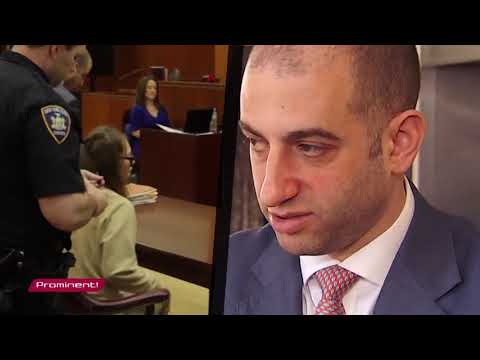
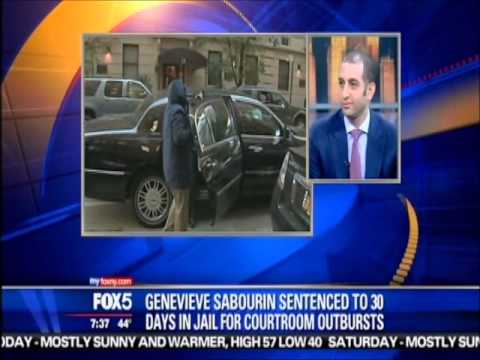
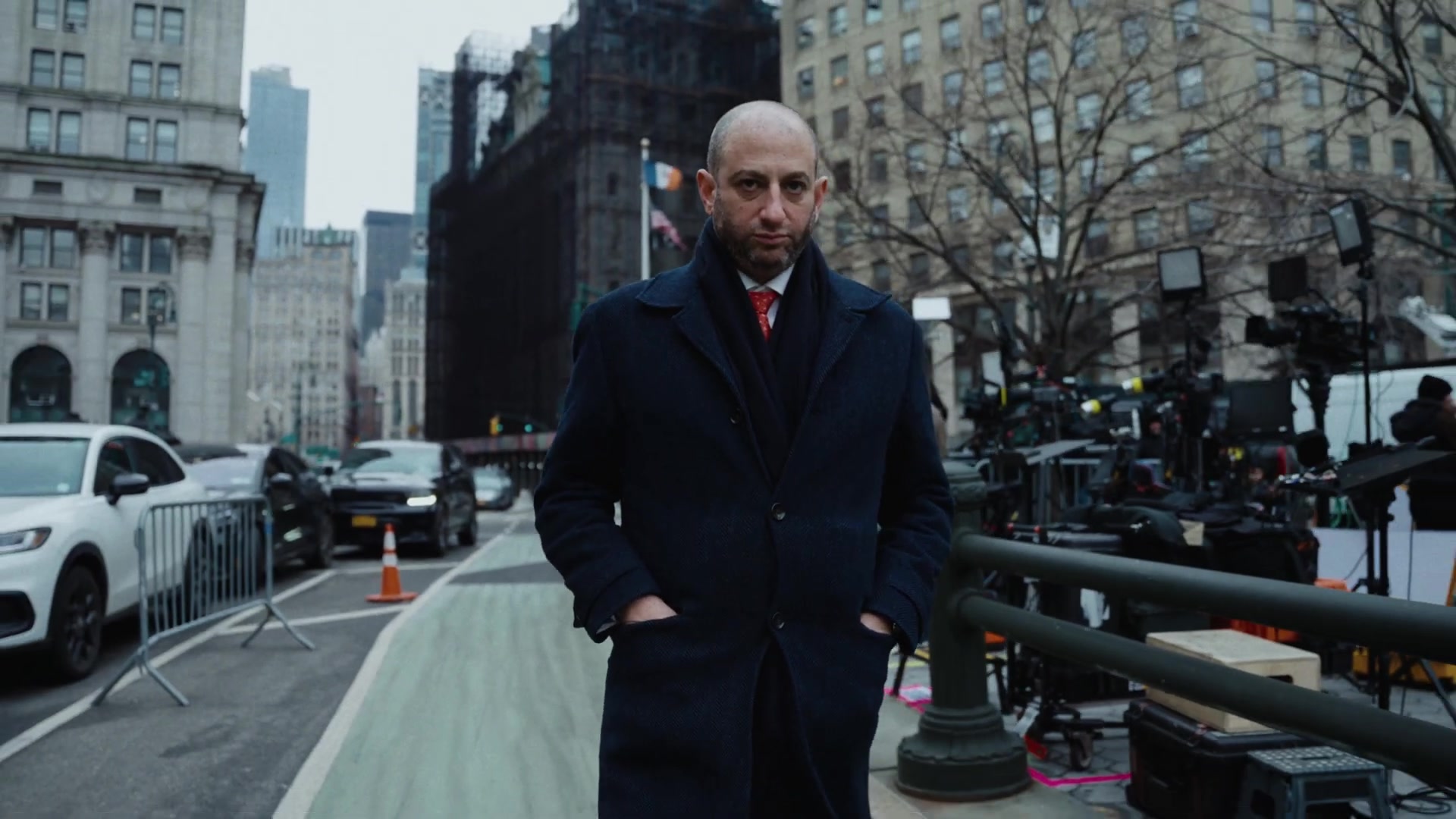
Todd Spodek
Lead Attorney & Founder
Featured on Netflix’s “Inventing Anna,” Todd brings decades of experience defending clients in complex criminal cases.
Multi-State Bar
Federal Courts
US Supreme Court
Meet the Full Team →
Frequently Asked Questions
No. You have the right to remain silent and the right to an attorney. Invoke both rights immediately and contact Spodek Law Group.
Every case is different. We offer free initial consultations to evaluate your case and discuss our fee structure.
An arraignment is your first court appearance where charges are formally read. You enter a plea and bail may be set. Having an attorney present is critical.
Facing Criminal Charges And Have Questions? We Can Help, Tell Us What Happened.