
What is Title IX?
Before we dive into selecting a lawyer, let's do a quick refresher on what exactly Title IX is. Passed in 1972, Title IX is a federal civil rights law that prohibits sex-based discrimination in any educational institution that receives federal funding. While it's most commonly associated with equity in athletics, Title IX actually covers a wide range of issues, including:- Sexual harassment
- Sexual assault
- Dating violence
- Stalking
- Gender-based discrimination
- Written notice of the allegations against you
- The opportunity to present evidence and witnesses in your defense
- The right to have an advisor, including an attorney, present during any meetings or hearings
- Access to all evidence gathered during the investigation
- A live hearing where you or your advisor can cross-examine witnesses
- A presumption of innocence until proven responsible
What is Title IX?
Before we dive into selecting a lawyer, let's do a quick refresher on what exactly Title IX is. Passed in 1972, Title IX is a federal civil rights law that prohibits sex-based discrimination in any educational institution that receives federal funding. While it's most commonly associated with equity in athletics, Title IX actually covers a wide range of issues, including:- Sexual harassment
- Sexual assault
- Dating violence
- Stalking
- Gender-based discrimination
- Written notice of the allegations against you
- The opportunity to present evidence and witnesses in your defense
- The right to have an advisor, including an attorney, present during any meetings or hearings
- Access to all evidence gathered during the investigation
- A live hearing where you or your advisor can cross-examine witnesses
- A presumption of innocence until proven responsible
Choosing the Right Title IX Lawyer
So how do you go about finding a Title IX attorney who will be the best fit for you and your case? Here are some key factors to consider:1. Experience with Title IX cases
First and foremost, you want a lawyer who has significant experience specifically handling Title IX matters. These cases involve a complex intersection of federal laws, school policies, and sensitive issues that require specialized knowledge to navigate effectively.Ideally, look for an attorney who has handled numerous Title IX cases at the university level. Ask about their track record - how many cases have they won? Do they have experience with cases similar to yours? Don't be afraid to ask for references from past clients as well.2. Knowledge of University of Houston's Title IX process
In addition to overall Title IX experience, it's a big plus if your lawyer has familiarity with how Title IX cases are handled at your particular school. Every university has its own unique policies and procedures for addressing sexual misconduct complaints. The more your lawyer understands the ins and outs of UH's Title IX process, the better equipped they'll be to build a strong defense strategy.Some questions to ask a potential lawyer:- Have you handled Title IX cases at the University of Houston before?
- Are you familiar with UH's sexual misconduct policy and student code of conduct?
- Do you have experience working with UH's Title IX office and investigators?
⚖ Legal Pulse: Key Statistics
15,000+
Federal Cases Filed Annually
90%
Plea Before Trial
3. Approach to your case
You'll also want to get a sense of how the lawyer would approach your case. Do they seem to understand the nuances of your particular situation? Are they willing to take the time to listen to your full story and address all of your concerns?Discuss what their game plan would be for your defense. Will they take a more aggressive approach in challenging the school's evidence and cross-examining witnesses? Or do they prefer to work collaboratively with the school to negotiate a fair resolution? There's no one-size-fits-all approach, so it's important that your lawyer's style aligns with your goals.4. Comfort level and trust
Facing Title IX allegations is an incredibly stressful and emotional experience. You need to feel completely comfortable confiding in your lawyer and trust that they have your best interests at heart.When you meet with potential attorneys, pay attention to how they make you feel. Do they put you at ease and explain things in a way that you can understand? Or do you feel rushed, judged or confused in their presence?Go with your gut. The right Title IX lawyer will make you feel supported, heard and empowered to take on your case.What to Expect When Working With a Title IX Lawyer
Once you've selected your Title IX defense lawyer, what comes next? Here's a general overview of what you can expect during the process:1. Case evaluation and strategy
Your lawyer will start by conducting a thorough review of your case, including the complaint against you, any evidence provided by the school, and your own account of what happened. They'll identify the strengths and weaknesses of your case and begin developing a strategy for your defense.This may involve:- Interviewing you in depth about the incident(s) in question
- Gathering exculpatory evidence such as text messages, social media posts, witness statements, etc.
- Researching relevant case law and UH policies
- Identifying any due process violations or bias in the school's investigation
2. Communicating with the school
Your lawyer will serve as your official advisor and main point of contact in communicating with the University of Houston's Title IX office. This includes:- Attending any interviews or meetings with school officials with you
- Requesting and reviewing evidence from the school
- Negotiating with the school on your behalf to try to resolve the complaint informally
- Raising objections to any unfair or biased treatment by the school

3. Preparation for the hearing
If your case proceeds to a formal Title IX hearing, your lawyer will be right by your side. They'll help you prepare by:- Reviewing all evidence and the investigative report with you
- Preparing you for direct and cross-examination
- Identifying and preparing any witnesses to testify on your behalf
- Developing an opening and closing statement to present your defense
4. Appealing an adverse outcome
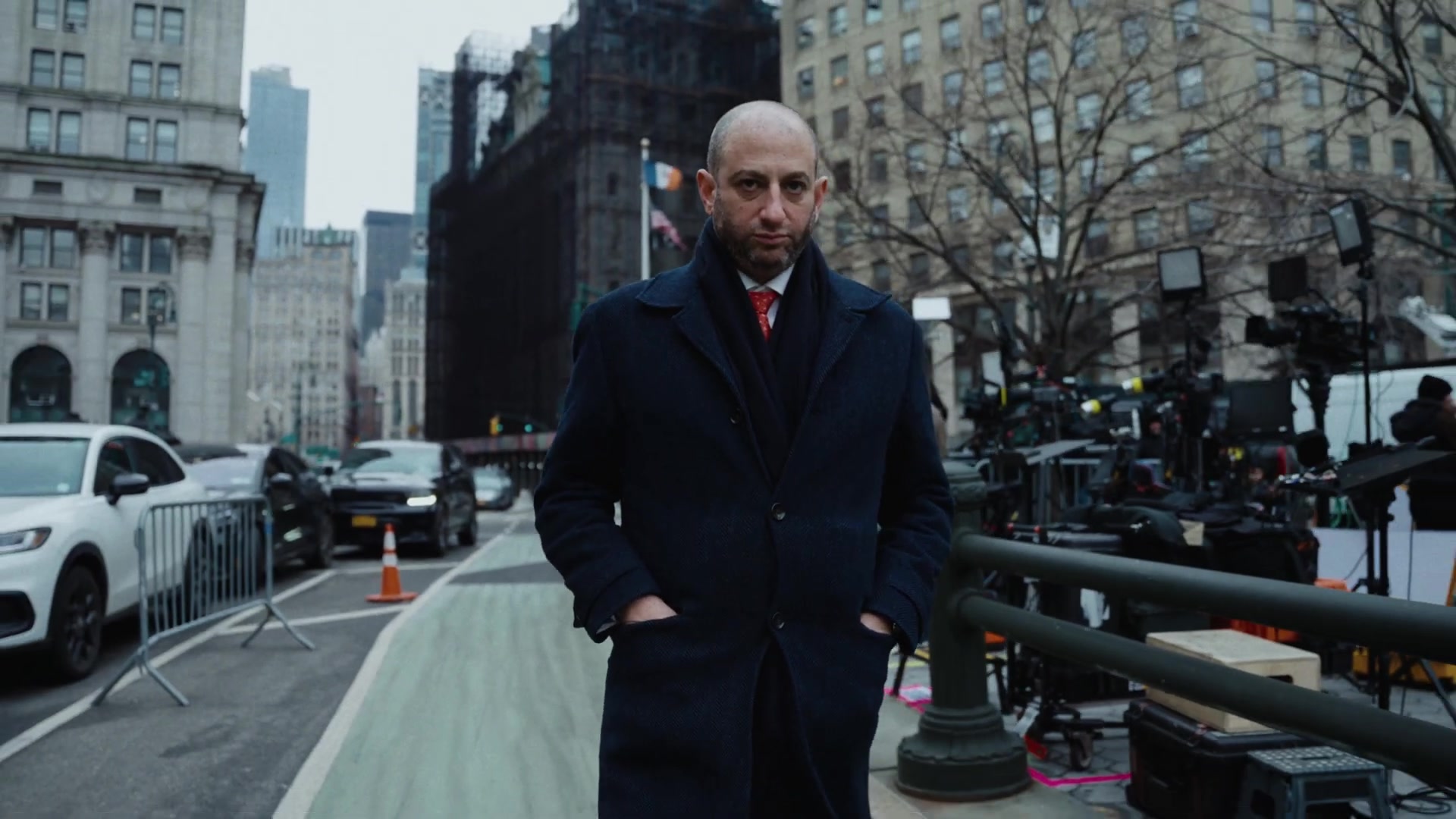
Defense Team Spotlight
Todd Spodek
Lead Attorney & Founder
Featured on Netflix’s “Inventing Anna,” Todd brings decades of experience defending clients in complex criminal cases.
Multi-State Bar
Federal Courts
US Supreme Court
Meet the Full Team →
- Procedural errors that affected the outcome
- New evidence not reasonably available at the time of the hearing
- Disproportionate sanctions
Protecting Your Future
At the end of the day, the goal of your Title IX defense lawyer is to achieve the best possible outcome for you and protect your future. A Title IX finding of responsibility can have far-reaching consequences, such as:- Suspension or expulsion from UH
- A permanent mark on your academic record
- Loss of scholarships or financial aid
- Difficulty getting accepted to another school
- Revocation of your degree
- Damage to your reputation and future career prospects
- Convincing the school to drop the charges against you
- Negotiating for an informal resolution such as counseling or probation instead of harsher sanctions
- Winning your case at the hearing and being found not responsible
- Getting an adverse finding overturned on appeal
Title IX Resources
To learn more about Title IX and your rights as an accused student, check out these helpful resources:- Know Your IX
- FACE (Families Advocating for Campus Equality)
- SAVE (Stop Abusive and Violent Environments)
- Title IX For All
Frequently Asked Questions
No. You have the right to remain silent and the right to an attorney. Invoke both rights immediately and contact Spodek Law Group.
Every case is different. We offer free initial consultations to evaluate your case and discuss our fee structure.
An arraignment is your first court appearance where charges are formally read. You enter a plea and bail may be set. Having an attorney present is critical.
Facing Criminal Charges And Have Questions? We Can Help, Tell Us What Happened.