
What Are the Drug Trafficking Laws in Georgia?
Welcome to Spodek Law Group. We handle drug trafficking cases throughout Georgia and the federal system, and there's something about Georgia's mandatory minimum laws that almost nobody understands correctly. Everyone tells you the judge can't help. That mandatory minimum means exactly that - mandatory. That once you're convicted of trafficking, the judge has no choice but to sentence you to whatever the statute requires. Years in prison. No exceptions. No discretion. Nothing anyone can do. That's not actually true anymore. In 2024, the Georgia Court of Appeals changed everything.The Roundtree Revolution
State v. Roundtree (372 Ga. App. 518) came down in 2024, and it rewrote the rules for drug trafficking sentencing in Georgia. The court ruled that judges CAN probate portions of mandatory minimum sentences for drug trafficking. Let that sink in for a second. The mandatory minimum isnt as mandatory as everyone thinks. Heres what happened. Theodore Roundtree pleaded guilty to trafficking methamphetamine - over 600 grams, which is serious weight. The trial court sentenced him to 25 years, but allowed 10 of those years to be served on probation. The State appealed, arguing the judge couldn't do that with a mandatory minimum. The Court of Appeals disagreed. They pointed out something critical: OCGA § 16-13-31 says defendants "shall be imprisoned," but it dosent explicitly prohibit probation like the serious violent felony statute does. Thats a distinction that matters. The court explained that if "shall be imprisoned" alone was enough to eliminate probation, then explicit anti-probation language in other statutes would be meaningless. The legislature knows how to prohibit probation when it wants to. It didnt do that for drug trafficking. This means a 10-year mandatory minimum could potentialy become 5 years prison plus 5 years probation. A 15-year sentence could be split. The judge has discretion that most people - including many defense attorneys - dont realize exists. Think about what this means practicaly. Your facing a 10-year mandatory minimum for meth trafficking. Under the old understanding, you serve 10 years. Period. No discussion. Under Roundtree, the judge might impose 10 years but allow 4 or 5 to be served on probation. You serve 5 or 6 years in prison instead of 10. Thats not a minor difference. Thats years of your life. Years with your family. Years of freedom that the conventional understanding would have taken away. The Roundtree decision dosent apply in every situation. The judge still has discretion - they can choose not to probate any portion of the sentence. But the option exists. The door is open. And defendants who dont know the door exists never walk through it. This is critical to understand: the Roundtree ruling dosent eliminate mandatory minimums. It allows the judge to probate a portion of the sentence if appropriate. But you have to know it exists to argue for it. Defendants who dont know about Roundtree never get the benefit.Georgia Trafficking Penalties by Drug Type
Lets start with the numbers, because understanding exactly what your facing is step one. Georgia uses weight thresholds under OCGA § 16-13-31. Hit the threshold, and your automaticaly facing trafficking charges - regardless of whether you sold anything to anyone. Cocaine (OCGA § 16-13-31(a)) Georgia cocaine trafficking requires a mixture of 10% purity or higher.- 28 to 199 grams: Mandatory 10 years imprisonment, $200,000 fine
- 200 to 399 grams: Mandatory 15 years imprisonment, $300,000 fine
- 400 grams or more: Mandatory 25 years imprisonment, $1,000,000 fine
- 4 to 13 grams: Mandatory 5 years imprisonment, $50,000 fine
- 14 to 27 grams: Mandatory 10 years imprisonment, $100,000 fine
- 28 grams or more: Mandatory 25 years imprisonment, $500,000 fine
- 28 to 199 grams: Mandatory 10 years imprisonment, $200,000 fine
- 200 to 399 grams: Mandatory 15 years imprisonment, $300,000 fine
- 400 grams or more: Mandatory 25 years imprisonment, $1,000,000 fine
⚖ Legal Pulse: Key Statistics
15,000+
Federal Cases Filed Annually
90%
Plea Before Trial
- 10 to 1,999 pounds: Mandatory 5 years imprisonment, $100,000 fine
- 2,000 to 9,999 pounds: Mandatory 7 years imprisonment, $250,000 fine
- 10,000 pounds or more: Mandatory 15 years imprisonment, $1,000,000 fine
The FEAR Act: Fentanyls Special Status
In May 2025, Governor Kemp signed the Fentanyl Eradication and Removal Act - the FEAR Act. This created an entirely separate sentencing structure for fentanyl that went into effect July 1, 2025. Heres why this matters: fentanyl used to fall under the general opioid trafficking statute. Now it has its own schedule with harsher penalties. New Fentanyl Thresholds (FEAR Act):- 4 to 8 grams: Mandatory 10 years imprisonment, $75,000 fine
- 8 to 28 grams: Mandatory 15 years imprisonment, $250,000 fine
- 28 grams or more: Mandatory 35 years imprisonment, $750,000 fine
Three Ways to Get Below the Mandatory Minimum
OK so you've been charged with trafficking. The mandatory minimum seems inescapable. But Georgia law actualy provides three separate paths to a sentence below the mandatory minimum. Most defendants only hear about one of them. Path 1: Substantial Assistance (OCGA § 16-13-31(g)(1)) This is the one everyone knows about. The prosecutor files a motion if you provide substantial assistance in identifying, arresting, or convicting accomplices or co-conspirators. You become an informant. You help make cases against other people. In exchange, the prosecutor asks the court to reduce your sentence. Heres what most people dont understand about substantial assistance: its a contract with deliverables. You dont just talk to police and hope for leniency. You sign an agreement specifying what you'll provide and what arrests your information will facilitate. If you cant deliver what you promised, the deal collapses. You serve the full mandatory minimum. Substantial assistance also carrys physical risks. The people your informing on will eventualy learn you cooperated. That information spreads. Your safety and your familys safety become real concerns. These arent hypothetical worries. Path 2: The Safety Valve (OCGA § 16-13-31(g)(2)) This is the path most defendants never hear about. Georgia law allows judges to depart from mandatory minimums if five specific conditions are met:- You have no prior felony convictions
- You didnt use violence or weapons in the offense
- You werent an organizer, leader, manager, or supervisor in the drug operation
- You've been truthful with the government about the offense
- The offense didnt result in death or serious bodily injury

Possession Equals Trafficking in Georgia
Heres something that catches many defendants completly off guard: Georgia dosent require you to sell, transport, or distribute anything to face trafficking charges. Simple possession above the weight threshold equals trafficking. Automaticaly. Think about what that means. You dont have to cross state lines. You dont have to make a single sale. You dont have to have packaging materials or scales or cash. You just have to possess enough of the substance to cross the threshold. Twenty-eight grams of cocaine in your pocket? Trafficking. Four grams of heroin in your car? Trafficking. Ten pounds of marijuana in your closet? Trafficking. The prosecution dosent need to prove intent to distribute. They dont need wiretaps or controlled buys or cooperating witnesses. They just need the drugs and the weight. The statute treats possession above threshold as trafficking by definition. This is why weight calculations matter so much in Georgia cases. The difference between 27 grams and 28 grams is the difference between a possession charge and a trafficking charge. The difference between personal use quantity and decades in prison. Challenging weight calculations becomes critical. How was the substance weighed? Was packaging included? Was moisture content a factor? Was the entire amount actualy under your control? These technical questions can mean everything.What Most Defense Attorneys Miss
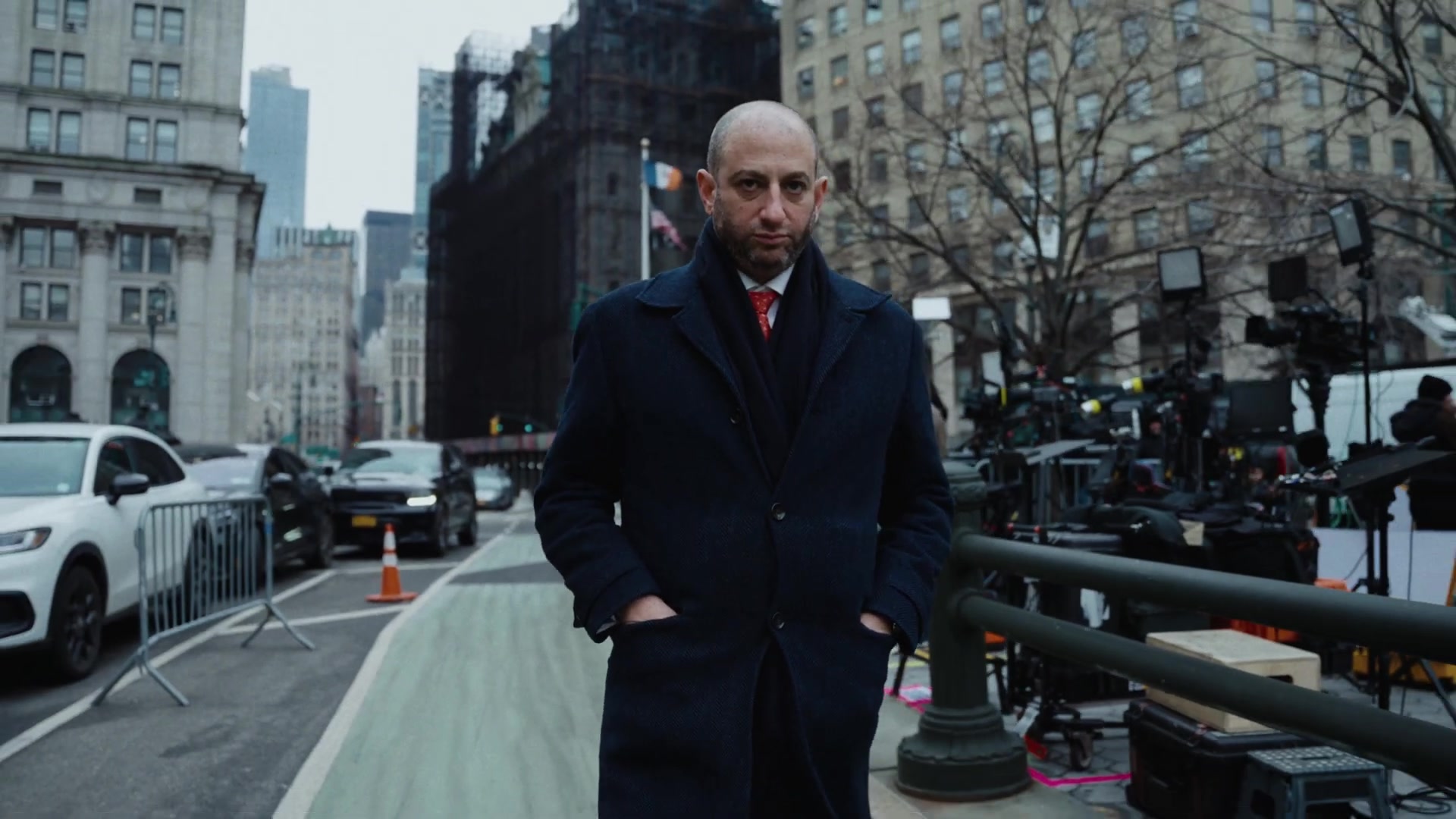
Defense Team Spotlight
Todd Spodek
Lead Attorney & Founder
Featured on Netflix’s “Inventing Anna,” Todd brings decades of experience defending clients in complex criminal cases.
Multi-State Bar
Federal Courts
US Supreme Court
Meet the Full Team →
When Trafficking Becomes Murder
Theres another layer to Georgia trafficking law that most people dont know about. If the drugs you distribute result in someones death, you face aggravated involuntary manslaughter under Austins Law. A drug sale can become a homicide. Not because you intended to kill anyone. Not because you knew the drugs were laced. Just because the person who used drugs you provided died as a result. Georgia prosecutors are using this statute agressively, especially in fentanyl cases. Every overdose death becomes a potential murder investigation. Text messages get examined. Financial transactions get traced. The person who sold or even gave away the drugs becomes a homicide suspect. The penalties for aggravated involuntary manslaughter stack on top of trafficking charges. Your already facing years or decades for the trafficking. Add a death, and your looking at additional decades. Some defendants are facing effective life sentences for what they thought was a simple drug transaction. This isnt rare anymore. Georgia law enforcement treats fentanyl deaths as crime scenes. They investigate backwards from the overdose to identify the source. The combination of the FEAR Act and Austins Law means anyone involved in fentanyl distribution faces catastrophic exposure.What Happens From Here
Georgia drug trafficking law operates under rules that most people misunderstand. Mandatory minimums exist, but there more flexible than everyone claims. Judges can probate portions of sentences. Three separate paths exist to below-minimum sentencing. And weight thresholds determine whether your facing possession or decades in prison. Nobody explains this clearly when you first get arrested. Nobody mentions that the Roundtree decision changed what judges can do. Nobody walks you through the safety valve criteria before pushing you toward cooperation. Nobody questions whether the weight calculations that determine your charges are actualy correct. These realities should change how you approach every decision from the moment of arrest forward. Which attorney you hire. What you say to investigators. Whether you cooperate and how you structure that cooperation. Whether you challenge the weight calculations or accept them. Understanding this reality is the first step toward navigating it. Evidence can be challenged. Weight calculations can be disputed. The safety valve might apply to your situation. Probation might be possible even for mandatory minimum sentences. And yes, cooperation can lead to reduced sentences when handled correctly. The worst outcomes happen when people dont understand the system there in. When they assume judges are powerless. When they accept weight calculations without challenge. When they cooperate without understanding the risks. When they miss the safety valve because nobody told them it existed. Spodek Law Group handles trafficking cases throughout Georgia - Fulton County, DeKalb County, Gwinnett, and every jurisdiction in between. Were familiar with Georgia prosecutors, Georgia judges, and the specific dynamics of each county. What we emphasize from the begining is realistic assessment of which paths are actualy available in your specific case. If your facing drug trafficking charges in Georgia, get experienced counsel now. The decisions made in the first weeks after arrest shape everything that follows. Understanding whether the Roundtree ruling helps you, whether the safety valve applies, whether weight calculations can be challenged - thats were effective defense begins. Call Spodek Law Group at 212-300-5196. Consultations are confidential. Attorney-client privilege protects our conversation from the moment it begins. Were ready to assess your situation honestly and explain your actual options.Frequently Asked Questions
No. You have the right to remain silent and the right to an attorney. Invoke both rights immediately and contact Spodek Law Group.
Every case is different. We offer free initial consultations to evaluate your case and discuss our fee structure.
An arraignment is your first court appearance where charges are formally read. You enter a plea and bail may be set. Having an attorney present is critical.
Facing Criminal Charges And Have Questions? We Can Help, Tell Us What Happened.