
How Texas Classifies Controlled Substances
Texas uses a penalty group system that determines how every drug offense gets charged. There are four main groups, plus marijuana which has its own category. The group your substance falls into determines everything about your case, from the initial charge to the maximum sentence a judge can impose. Penalty Group 1 is were the serious charges live. This includes cocaine, heroin, methamphetamine, fentanyl, and opioids like oxycodone and hydrocodone. The quantities that trigger different charge levels are smaller than most people expect, and this is were the system catches people off guard. Heres how it breaks down for Penalty Group 1:- Less than 1 gram: State jail felony, 180 days to 2 years
- 1 to 4 grams: Second degree felony, 2 to 20 years
- 4 to 200 grams: First degree felony, 5 to 99 years
- 200 to 400 grams: Enhanced first degree, 10 to 99 years
- 400 grams or more: 15 to 99 years or life
The Drug-Free Zone Trap
OK so heres something that catches people completly off guard. Texas has drug-free zone enhancements that can bump your charge up an entire degree. And the way these zones are mapped, you might be standing in one right now without knowing it. A drug-free zone in Texas includes anywhere within 1,000 feet of a school, playground, youth center, video arcade, or public swimming pool. One thousand feet is about three football fields. In most urban areas of Texas, you can barely walk a block without crossing into a drug-free zone. Houston, Dallas, San Antonio, Austin - these cities are blanketed with overlapping zones that create a patchwork of enhanced penalty areas. Heres the kicker. The enhancement applies even if theres not a single child anywhere near the location. You could be arrested at 3am on a Sunday morning, a hundred yards from a closed school, and the enhancement still triggers. The children dont need to be present. The school doesnt need to be open. The zone is the zone, 24 hours a day, 365 days a year. What this means practicaly is that a second degree felony becomes a first degree felony. A charge that carried 2 to 20 years now carries 5 to 99 years. Because of your GPS coordinates at the moment of arrest. Not because you were selling to children. Not because you were anywhere near children. Just because of were you were standing when police showed up. This isnt a minor technicality. Defense attorneys in Texas see clients all the time who had absolutly no idea they were anywhere near a school. They were at a friends apartment. They were in a parking lot. They were somewhere they'd been a hundred times before. And now there facing an enhanced charge because of a zone boundary they never knew existed. The enhancement also applies near drug treatment centers, which creates an ironic situation. Someone struggling with addiction, living near a treatment facility, faces enhanced penalties specificaly because they live near resources designed to help them. The law doesnt account for these contradictions. It just applies the enhancement.When Texas Becomes Federal
⚖ Legal Pulse: Key Statistics
15,000+
Federal Cases Filed Annually
90%
Plea Before Trial
What Prosecutors Actually Look For
Lets talk about how these cases actualy get built. Understanding what prosecutors look for helps you understand why certain decisions you make now will matter tremendously later. Texas drug prosecutors love conspiracy charges. Under conspiracy law, you dont even need to possess drugs to be convicted of trafficking. All the prosecution needs to prove is that you agreed to participate in drug distribution and that someone took one overt act in furtherance of that agreement. The agreement doesnt need to be written. It doesnt need to be explicit. Prosecutors argue that agreements can be inferred from behavior. Think about what counts as an overt act. A text message. A phone call. A Venmo payment. A CashApp transfer. Driving somewhere. Meeting someone. These everyday activities become evidence of conspiracy when prosecutors decide to frame them that way. Your phone becomes a roadmap of your involvement. Your financial records become a ledger of transactions. The evidence in these cases typicaly includes cell phone records showing your location and communications over months or years. Wire transfers and payment app records that prosecutors will characterize as drug money whether they were or not. Recorded jail phone calls. Cooperating witness testimony from people who have every incentive to say whatever the government wants them to say in exchange for there own reduced sentences. Surveillance footage from businesses and traffic cameras that prosecutors will weave into a narrative of criminal activity. Heres what makes conspiracy charges particuarly dangerous. Under federal law, every member of a conspiracy can be held responsible for the total amount of drugs involved in the entire operation. You might have only handled a few grams yourself. But if the conspiracy moved kilos, youre facing sentencing based on kilos. The guy who drove the car twice gets sentenced based on the same drug quantity as the guy who ran the operation. This is were people get destroyed. They think there small role means small punishment. Federal law disagrees.The Mistakes That Destroy Cases
Todd Spodek has handled drug trafficking cases for years, and certain patterns repeat themselves. The same mistakes keep destroying cases that might have had better outcomes with different decisions early on. Mistake number one: talking to police before a lawyer arrives. This happens constantly. People think they can explain their way out of the situation. They think if they just cooperate, if they just tell there side of the story, the police will see theyre not really a bad person. They think honesty will be rewarded. What actualy happens is they provide statements that become evidence. Every word recorded. Every admission locked in. Every attempt at explanation twisted into something that sounds incriminating. By the time they realize what they've done, its too late. The statements exist. They will be used. Mistake number two: assuming the case will stay in state court. People hear about someone else who got probation for a similar charge and assume theyll get the same deal. There cousin got community service. There friend got deferred adjudication. So they assume the system will treat them the same way. But they dont realize there case has factors that make federal prosecution likely. Maybe the drugs crossed state lines. Maybe there's a gun involved. Maybe federal agents were already investigating the supplier. By the time they learn there going federal, theyve already made decisions based on wrong assumptions about state court outcomes. Mistake number three: discussing the case on jail phone calls. Every single call from jail is recorded. Every single one. This isnt a secret. Theres a recording that plays before every call saying the call is being monitored and recorded. Yet people keep talking about there cases, making admissions, discussing strategy were prosecutors can hear everything. These recordings show up at trial. They destroy defenses that might otherwise have worked. Mistake number four: believing that a small role means small punishment. Federal conspiracy law doesnt work that way. You might have been a driver. You might have held money. You might have made a few phone calls. You might have let someone use your apartment. But if the conspiracy you joined moved serious weight, your facing sentencing based on that serious weight. The guidelines dont care about your limited involvement. They care about the total drugs. The fifth mistake is not understanding that quantity determines everything. People keep thinking intent matters. They keep explaining to there lawyers that they werent selling, they were using. The law doesnt care. Four grams makes you a trafficker wether you intended to sell or not. The legislature decided that anyone possessing that quantity must be distributing. Your personal intentions are irrelevant to the charge.The Cooperation Question
One of the most difficult conversations in drug trafficking cases involves cooperation. Federal prosecutors regularely offer reduced sentences to defendants who provide substantial assistance against others. This sounds appealing when your facing mandatory minimums. It can also be extremely dangerous. Heres the reality of cooperation in drug cases. To get meaningful sentence reductions, you generaly need to provide information about people higher up the chain than you. If your already at the bottom, you may have nothing valuable to offer. Prosecutors arent interested in small fish. They want the bigger targets, and they expect you to help deliver them. Cooperation also comes with real physical risks. The people your testifying against will know you cooperated. There associates will know. This information spreads through the system. Cooperating witnesses sometimes end up in protective custody. Sometimes they get relocated. Sometimes, despite these precautions, bad things happen. And heres something people dont realize until too late: cooperation is an all-or-nothing commitment. Once you start down that road, you cant stop. You have to tell the truth about everything prosecutors ask, even if it implicates people you care about. You have to testify if they need you to testify. You give up control of the timeline and the process. This isnt to say cooperation is never the right choice. Sometimes its the only path to a reasonable outcome. But it needs to be approached with full understanding of what your agreeing to and what the risks are. Having experienced counsel guide this decision is essential.
Understanding Your Actual Situation
Defense Team Spotlight
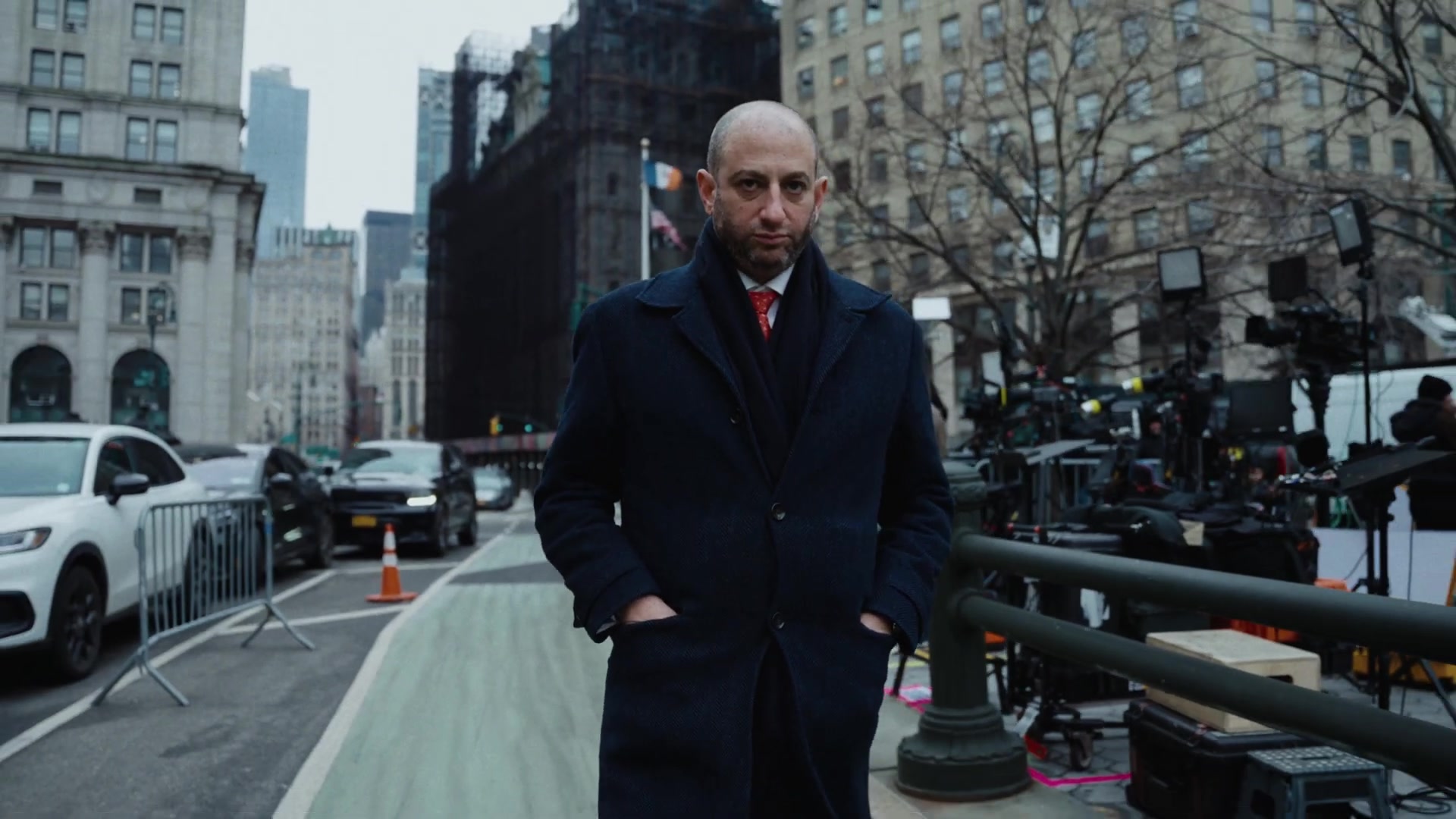
Todd Spodek
Lead Attorney & Founder
Featured on Netflix’s “Inventing Anna,” Todd brings decades of experience defending clients in complex criminal cases.
Multi-State Bar
Federal Courts
US Supreme Court
Meet the Full Team →
What Happens From Here
Theres no way around the fact that Texas drug trafficking charges are serious. The state has decided that certain quantities automaticaly make you a trafficker regardless of your actual intentions. The federal government has built an infrastructure specificaly designed to prosecute these cases in South Texas. The penalties are severe, the prosecutions are aggressive, and the margin for error is small. But understanding the system is the beginning of mounting a defense. Evidence can be challenged. Search and seizure issues arise in many cases. Quantity calculations can sometimes be disputed. Lab results can be questioned. Chain of custody problems can create reasonable doubt. Cooperation, when handled correctly with experienced counsel, can lead to reduced exposure. The worst outcomes happen when people dont understand what there facing. When they make assumptions based on what theyve heard from friends or family. When they talk when they should stay silent. When they wait when they should be acting. When they trust the system to treat them fairly without understanding how the system actualy works. If your facing drug trafficking charges in Texas, the time to get serious legal help is now. Not after your first court date. Not after you see what the prosecutor offers. Now. The decisions you make in the next few weeks will shape everything that follows. Call Spodek Law Group at 212-300-5196. Consultations are confidential. The conversation you have with us is protected by attorney-client privilege from the moment it begins. Whatever your situation is, understanding it clearly is the first step toward the best possible outcome.Frequently Asked Questions
No. You have the right to remain silent and the right to an attorney. Invoke both rights immediately and contact Spodek Law Group.
Every case is different. We offer free initial consultations to evaluate your case and discuss our fee structure.
An arraignment is your first court appearance where charges are formally read. You enter a plea and bail may be set. Having an attorney present is critical.
Facing Criminal Charges And Have Questions? We Can Help, Tell Us What Happened.