What Are the Federal Charges for PPP Loan Fraud?
Welcome to Spodek Law Group. Our goal is giving you the information prosecutors dont want you to have about federal PPP loan fraud charges. Not the sanitized version. Not the version that makes the system look fair. The actual truth about what happens when the federal government decides to come after you for Paycheck Protection Program fraud. Heres the first thing you need to understand, and its something almost nobody tells you: there is no PPP fraud law. The federal government didn't create a new crime when PPP launched in 2020. They didn't write a statute called "Paycheck Protection Program Fraud." It doesn't exist. Instead, your being charged under wire fraud statutes from 1952, bank fraud laws from 1984, and conspiracy provisions designed to prosecute organized crime families. The penalties weren't calibrated for pandemic relief fraud. They were built for mob prosecutions. That matters. It matters because prosecutors have 70+ years of case law backing up wire fraud charges. It matters because the sentences weren't designed with small business owners in mind. And it matters because understanding which specific charges apply to your situation is the difference between knowing your facing 5 years or facing 30.There Is No PPP Fraud Statute
Lets be absolutely clear about this because the confusion creates real problems. When Congress passed the CARES Act in March 2020 and created the Paycheck Protection Program, they did not create a corresponding federal crime for PPP fraud. Theres no 18 USC section titled "PPP Loan Fraud." You wont find it because it dosent exist. What prosecutors do instead is charge you under existing federal fraud statutes that have been on the books for decades. This isnt some technicality. Its the foundation of how these cases work. Your facing charges under laws written long before anyone imagined a global pandemic or emergency business loans. The Department of Justice treats PPP fraud as a subset of general federal fraud. And becuase of that, you get charged under statutes with maximum penalties that seem wildly disproportionate to what you actualy did. Taking $50,000 in PPP funds you wernt entitled to? Your potentially facing the same wire fraud statute used against Bernie Madoff. The system dosent distinguish between a small business owner who fudged employee numbers and a sophisticated financial criminal who stole billions. Todd Spodek has represented clients facing every one of these charges. The pattern is always the same: shock at which statutes apply, disbelief at the potential sentences, and a gradual understanding that federal prosecutors aren't interested in the context of what happened during the pandemic. There looking at whether you made false statements on a federal loan application. Period.The Five Charges Prosecutors Actually Use
OK so heres the breakdown of what your actualy facing. Federal prosecutors have a menu of options when charging PPP fraud, and they regularly stack multiple counts to maximize pressure on defendants. Wire Fraud (18 USC §1343) is the most common charge. If you submitted your PPP application online - which basicly everyone did - you used interstate wires. Thats all prosecutors need to charge wire fraud. Maximum penalty: 20 years per count. If the fraud affects a financial institution, it goes to 30 years. Every email you sent. Every document you uploaded. Every electronic transfer of funds. All of it becomes evidence of wire fraud. The statute was originaly written to cover telegraph fraud in the 1950s. Now it covers everything done over the internet. Bank Fraud (18 USC §1344) applies because PPP loans went through federally insured banks. You dont have to defraud the bank specificaly. Just using the bank as an instrumentality of fraud is enough. Maximum penalty: 30 years plus $1 million fine. The bank dosent even have to lose money. If they processed your application and forwarded it to the SBA, you potentialy committed bank fraud through them. This charge also has a 10-year statute of limitations, which is why prosecutors can still charge cases from 2020. False Statements to a Financial Institution (18 USC §1014) covers what you wrote on the loan application. Every certification you signed. Every payroll number you submitted. Every employee you listed. Maximum penalty: 30 years plus $1 million fine. This is seperate from wire fraud and bank fraud. Prosecutors frequentley charge all three for the same conduct. If you said you had 10 employees when you actualy had 3, thats a false statement. If you said your monthly payroll was $40,000 when it was realy $12,000, thats a false statement. Each false statement can be a seperate count. Conspiracy (18 USC §371 or §1349) applies if anyone helped you. Your accountant who prepared documents. Your business partner who knew about inflated numbers. Even the person who told you how to apply. Conspiracy to commit fraud carries the same penalty as the underlying offense. You dont even have to be the one who submitted the application. If you participated in the scheme, your equaly liable. The government uses conspiracy charges to pressure co-defendants into cooperating against each other. Its extremley effective. Aggravated Identity Theft (18 USC §1028A) adds a mandatory 2 years - consecutive, not concurrent - if you used anyone elses Social Security number or EIN. Used a former employees information? Added an employee who didnt know they were being listed? Thats 24 months tacked onto whatever else your getting. No exceptions, no judicial discretion. The judge cant reduce it. They cant run it concurrent. Its automaticaly added to your sentence. Think about that for a moment. A single PPP application could trigger wire fraud (20-30 years), bank fraud (30 years), false statements (30 years), and conspiracy (30 years). Even if sentences are served concurrently, the exposure is staggering.Your Bank Already Reported You
Heres something that genuinly surprises people when they learn it. Your bank filed a Suspicious Activity Report on you. Probly the same day the PPP funds hit your account. And you were never notified. Banks are required by law to file SARs when they detect potentially suspicious activity. Every large deposit that doesnt match historical patterns. Every rapid transfer out of the account. Every payment that dosent look like legitimate payroll. The SAR goes to FinCEN, gets flagged, and ends up with FBI investigators. You never get a letter. You never get a phone call. You have no idea its happened. The SBA OIG hotline saw a 19,500% increase in volume in the first year after PPP launched. More than 238,000 calls. About 40,000 of those became actionable complaints. Disgruntled employees. Ex-business partners. Competitors. Anyone who called that hotline about your PPP loan triggered an investigation. By the time an FBI agent contacts you - if they ever contact you directley - they have already subpoenaed your bank records. There already reviewed years of transaction history. They know where every dollar of PPP funds went. If you transferred money to personal accounts, bought a car, paid for a vacation, or made any payment that wasnt legitimate payroll, they have the receipts. Think about what that means practicaly. The investigator knocking on your door isnt curious. There not fishing for information. They have a spreadsheet showing every transaction. They know you bought that boat in August 2020. They know about the $15,000 transfer to your personal account. They know about the car payment and the credit card payoff and the vacation deposit. The knock on the door isnt the begining of the investigation. Its the end of the evidence gathering. This is why talking to investigators without a lawyer is such a catastrophic mistake. There not coming to you for information. There coming to see if you'll say something that contradicts the records they already have. When you say "I used all the money for payroll" and they have records showing you definitley didnt, you've just committed another federal crime: making false statements to federal agents under 18 USC §1001. Thats an additional 5 years. People who were never going to be charged with PPP fraud have ended up charged with false statements becuase they talked to the FBI without a lawyer.What Each Charge Actually Means for Prison Time
⚖ Legal Pulse: Key Statistics
15,000+
Federal Cases Filed Annually
90%
Plea Before Trial
- Under $6,500: Level 6
- $15,000-$40,000: Add 4 levels
- $40,000-$95,000: Add 6 levels
- $95,000-$150,000: Add 8 levels
- $150,000-$250,000: Add 10 levels
- Over $25 million: Level 30
Why 2025 Sentences Are 40% Longer
Heres something the defense bar has been tracking closley. Defendants sentenced in 2024-2025 receive prison terms 40% longer on average then defendants sentenced in 2021-2022 for identical conduct. Early in the pandemic, some federal judges showed leniency. The chaos of 2020. The rushed PPP rollout. The desperation of small business owners. Some judges factored that into sentencing. Those days are completley over. The Department of Justice now treats PPP fraud as theft from American taxpayers during a national emergency. There not interested in your story about being confused by the rules. There not sympathetic to arguments about how quickly you had to apply. Federal judges in 2025 include prison time in nearly every PPP case, regardles of the amount involved. Think about what that means. The exact same conduct that got someone probation in 2021 is getting them 18 months in 2025. The window for leniency closed. And if your case hasnt been charged yet, your being sentenced in the harsh environment, not the lenient one. Consider the Texas couple sentenced in October 2024: 32 years combined for a $3.5 million scheme. They used the money trying to start a marijuana grow operation, buying a motor home, luxury watches, a boat. The judge wasnt interested in their excuses. The bank manager who helped coordinate $5 million in fraudulent loans: 65 months. Five and a half years for being the inside man. The Ohio defendant who got $21,000 and spent it on commissary, CashApp, and food delivery: 18 months federal prison.The Forgiveness Letter That Means Nothing
OK so this is the one that makes people genuinely angry when they hear it. Your PPP loan was forgiven. You got a letter from the SBA confirming forgiveness. You thought you were safe. Then the FBI knocked on your door. Loan forgiveness is an administrative determination by the SBA that you've met the requirements for the loan to be discharged. Its not an investigation into whether you should have received the money in the first place. Its not criminal exoneration. Its just paperwork processing. The FBI investigated people whose loans were already forgiven. The forgiveness letter sitting in your files means absolutely nothing to federal prosecutors. They dont care that the SBA signed off. There asking whether you should have gotten the money at all. Heres the timeline that surprises people: your bank filed a SAR in 2020. The SBA forgave your loan in 2021. The FBI has been building a case since 2022. There still within the statute of limitations through 2030. You could receive that knock on the door tomorrow. Congress extended the statute of limitations for PPP fraud from 5 years to 10 years by passing the PPP and Bank Fraud Enforcement Harmonization Act of 2022. That means loans from 2020 can be prosecuted until 2030. Loans from 2021 until 2031. The danger zone extends another 5 years past when you thought you were safe.What To Do The Moment You Suspect Investigation
Early Warning Signs:- Bank account frozen or restricted without explanation
- Business partner or employee contacted by FBI
- Letter from SBA OIG requesting documentation
- Accountant or bookkeeper contacted by investigators
- Former employee mentions being questioned by federal agents
- Grand jury subpoena to your business records

| Mistake | Who Made It | Consequence |
|---|---|---|
| Talked to FBI without lawyer | Multiple defendants | Statements used against them, 1001 charges added |
| Responded to SBA inquiry in writing | Numerous borrowers | Written admissions became evidence |
| Waited too long to cooperate | Co-conspirators | First cooperator got deal, others got max sentences |
| Assumed forgiveness = safety | Cincinnati man, others | Investigated AFTER forgiveness confirmed |
Defense Team Spotlight
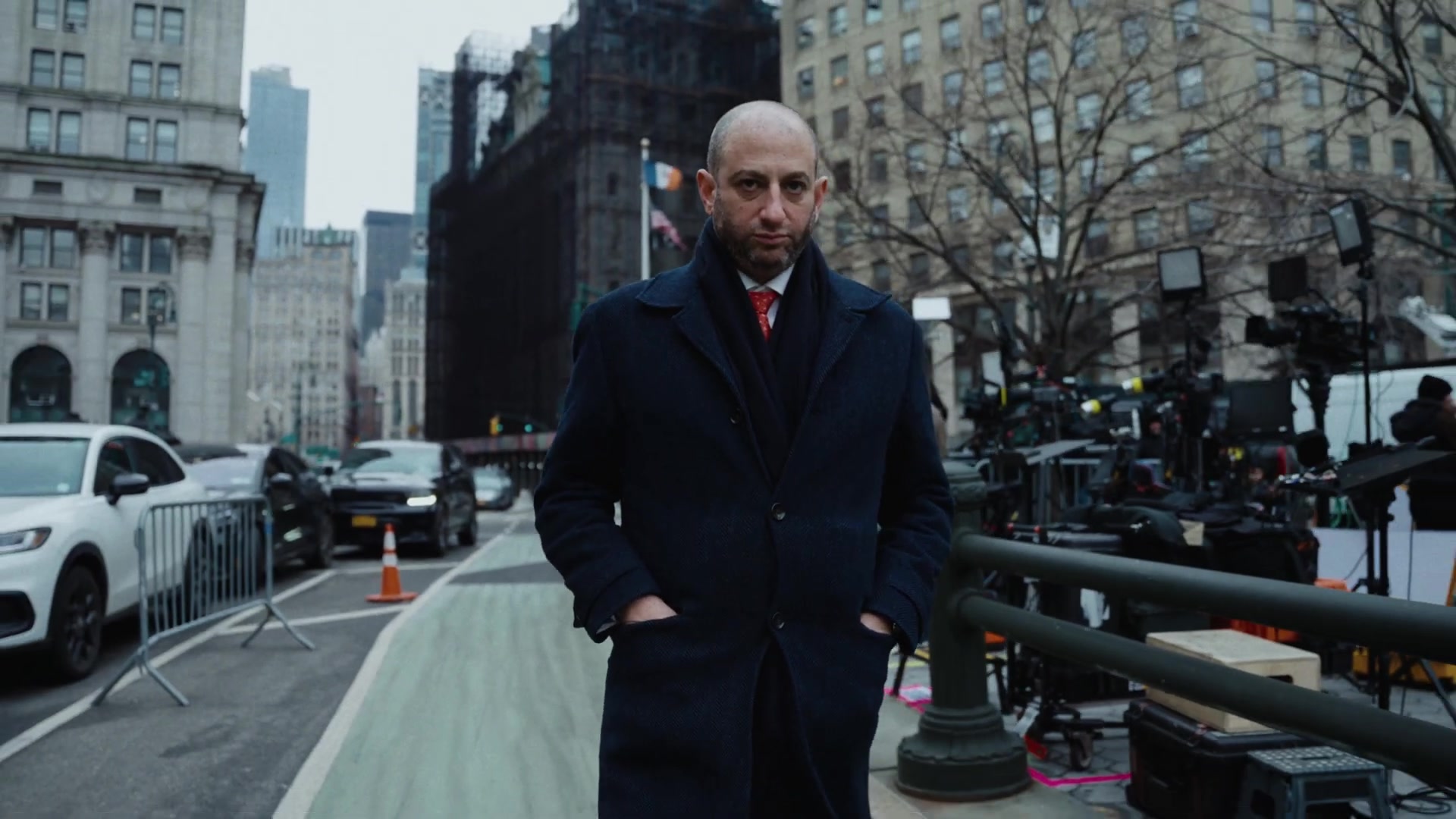
Todd Spodek
Lead Attorney & Founder
Featured on Netflix’s “Inventing Anna,” Todd brings decades of experience defending clients in complex criminal cases.
Multi-State Bar
Federal Courts
US Supreme Court
Meet the Full Team →
| Stage | Timeframe | What Happens |
|---|---|---|
| SAR filed | Day of deposit | You wont know |
| SBA OIG investigation | 6-12 months | Case built secretly |
| FBI referral | After SBA review | Criminal investigation begins |
| Target letter/first contact | 1-2 years after fraud | First you learn of it |
| Indictment | 30+ days after target status | Charges now public |
| Sentencing | 6-12 months post-plea/trial | 85% must be served |
- Did you spend funds on obviously personal items (cars, vacations, luxury goods)?
- Did you use someone elses identity or information?
- Did you submit clearly fabricated documents?
- Did you lie to investigators when questioned?
- Did others help you, creating conspiracy liability?
- What was the loss amount relative to your legitimate business activity?
Spodek Law Group 233 Broadway, Suite 710 New York, NY 10279 Phone: 212-300-5196
Frequently Asked Questions
No. You have the right to remain silent and the right to an attorney. Invoke both rights immediately and contact Spodek Law Group.
Every case is different. We offer free initial consultations to evaluate your case and discuss our fee structure.
An arraignment is your first court appearance where charges are formally read. You enter a plea and bail may be set. Having an attorney present is critical.
Facing Criminal Charges And Have Questions? We Can Help, Tell Us What Happened.