
4 Grams - Thats All It Takes
OK so lets start with what actualy triggers a trafficking charge because this is were most people get blindsided. In states like Florida, South Carolina, and Idaho, possessing just 4 grams of fentanyl crosses you from "drug possession" into "trafficking" territory. Four grams. Thats the weight of a sugar packet. Roughly 80 pills if there cut the normal way. Think about what that means. A heavy user might have 80 pills for personal supply. Dosent matter to prosecutors. You hit 4 grams, your a trafficker. The law dosent care about your intent. Dosent care if you were selling or just using. The weight creates a legal presumption that your distributing, and now your facing mandatory prison time. Every state handles this differantly, and the thresholds vary dramaticaly. Texas created an entirely new penalty group - Penalty Group 1-B - specificaly for fentanyl because legislaters decided existing categories wernt harsh enough. California added weight enhancements for fentanyl in 2024 that stack on top of regular drug charges. New York has some of the strictest trafficking statutes in the country, where 2 grams puts you in trafficking territory. The variaton between states creates absolutly insane discrepancies. The same quantity that gets you drug court in one state might get you 15 years manditory in another. Crossing state lines - even accidentaly - can turn a managable charge into a federal nightmare. And prosectors know exactly how to exploit these differences. Florida's statute 893.135 lays it out cold: 4 grams to 14 grams means a 3-year mandatory minimum and $50,000 fine. Hit 14 to 28 grams and your looking at 15 years minimum and $100,000. Above 28 grams? Twenty-five years mandatory and $500,000 in fines. There's no judicial discretion. The judge cant say "this person has no priors" or "this was clearly for personal use." The weight controls everything. And heres were it gets worse. These are STATE penalties. Federal thresholds are different - 40 grams triggers a 5-year federal mandatory minimum, 400 grams triggers 10 years. But federal prosecutors can take any state case they want. You might think your in state court. You might be counting on state law. Then one morning you wake up with federal charges and everythings different.The Death Enhancement Nobody Tells You About
This is the Prometheus insight that changes everything. Under 21 USC 841(b), if fentanyl you touched at any point in the supply chain causes an overdose death, you face 20 years to life in federal prison. Read that again. ANY point in the supply chain. You dont have to be the dealer who sold to the person who died. You could be three transactions removed. You could have sold to someone who sold to someone who sold to the person who overdosed. Prosecutors trace deaths BACKWARD through the chain, and everyone they find faces the same enhancement. 20 years to life. Todd Spodek has watched this enhancement destroy lives. The cascade effect catches people who never imagined they had exposure to a death they didnt even know happened. Corey Gaddy in St. Petersburg learned this the hard way. He got 18 years federal because fentanyl he distributed was linked to 2 fatal overdoses. Not people he knew. Not people he sold to directly. People at the end of a chain that led back to him. Prosecutors dont need to prove you intended for anyone to die. They just need to connect the dots from death to product to you. And the death dosent have to happen in your state. Fentanyl you touched in California can kill someone in Montana, and suddenly your facing 20 years in federal court. The enhancement applies regardless of where the overdose occured. Regardless of wheather you knew the pills contained fentanyl. Regardless of how many hands they passed through before reaching the victim. Heres the kicker - once a death is involved, your case is almost certainly going federal. State prosecutors generally cant pursue homicide charges for overdose deaths as effectively, so they refer these cases to the US Attorneys office. And federal prosecutors love these cases because the conviction rate is near-guaranteed. Theres another layer here that makes it even scarrier. Prosectors dont have to prove you KNEW the drugs were fentanyl. They dont have to prove you intended to kill anyone. They just have to prove distribution and connect you to the death. Strict liability effectivly. The legal standard is basicaly: did you touch it, did someone die, can we draw a line between those two facts. Thats it. Your intentions, your knowledge, your role - none of it matters for the enhancement to apply. Juan Felipe Vidrio Fuentes found this out when his distribution conspiracy connected him to deaths across state lines. He got 30 years. Not because he handed pills to the people who died. Because he was part of the chain. The cascade caught him just like it catches everyone else who touches fentanyl that eventualy kills someone.State Court Today Federal Court Tomorrow
Let me tell you something that keeps defense attorneys up at night. Your state fentanyl case can become a federal case at ANY point before trial. No warning. No negotiation. One day your dealing with the county DA, the next day the FBI is walking you into federal arraignment. Fentanyl cases jumped 255% in federal court since 2020. That's not a typo. Fentanyl now represents 20% of ALL federal drug cases - and its climbing. Prosecutors are activley "adopting" state cases because federal penalties are harsher, mandatory minimums are more rigid, and theres no parole in the federal system. Heres were the calculation changes. In most states, parole eligibility starts around 25-30% of your sentence. Serve a quarter, you might see a parole board. Federal? You serve 85% minimum. A 10-year federal sentence means 8.5 years behind bars. A 10-year state sentence might mean 2.5 years to first parole hearing. Prosecutors know this math. When they want to hurt you, they go federal. The decision is entirely prosecutors. You dont get a vote. Your attorney can try to prevent adoption, but theres no legal mechanism to force a case to stay in state court. If the feds want it, the feds get it. And lately, they want a lot of them. What triggers federal adoption? Several things. Any connection to deaths. Large quantities (even if you only touched part of them). Interstate elements - buying pills in one state, selling in another. Organized activity with multiple codefendants. Gang allegations. Firearm involvement. Or just a prosecutor who decides your case makes a good example.What the Numbers Actually Mean
⚖ Legal Pulse: Key Statistics
15,000+
Federal Cases Filed Annually
90%
Plea Before Trial
When Cooperation Doesnt Help
Alright so your thinking "I'll cooperate. I'll tell them what they want to know. I'll get a break." Let that sink in for a moment. The numbers say something different. Of the defendants who faced mandatory minimums in fentanyl cases, 43.9% got relief - meaning there sentences were reduced below the mandatory floor. That sounds good until you realize what it means: nearly HALF of people who cooperated still served the full mandatory minimum anyway. Cooperation isnt a guarantee. Its a gamble. And theres another problem. Once you start cooperating, you cant stop. You've waived your Fifth Amendment rights. Youve made statements. Youve identified other people. If your cooperation dosent lead to the prosecutions desired outcome - if the people you named dont get convicted, if the information you provided proves unreliable - you dont get credit. But the statements you made? Those are still on record. Those can still be used against you. Heres the part that really stings. The "safety valve" that was supposed to help low-level offenders avoid mandatory minimums? Its been getting narrower, not wider. More people are being excluded. More requirements are being added. The escape hatch that might have saved you five years ago might not be available to you today. This is why Spodek Law Group exists - to evaluate cooperation strategically BEFORE you make any statements. To understand weather your situation qualifies for safety valve relief. To know what cards your holding before you show them to prosecutors.The Asset Forfeiture Reality
Lets talk about something that dosent get enough attention. Fentanyl trafficking cases almost always involve asset forfeiture. Everything connected to the alleged trafficking - or purchased with proceeds from trafficking - is fair game for seizure. Your car? If prosecutors argue you used it to transport anything, its gone. Your house? If the mortgage payments came from drug proceeds, they're taking it. Your bank accounts? Frozen, then forfeited. Jewelry, electronics, furniture - anything they can trace back to alleged trafficking income disappears. And heres the truly brutal part: forfeiture often happens BEFORE conviction. Civil asset forfeiture lets the government seize your property while your still presumed innocent. You have to prove the property ISNT connected to drug activity - the burden shifts to you. Most people cant afford that fight while simultaneously defending criminal charges. Look at what happened to Darnell Manning again. Before he even went to prison, they took basicly everything he owned. By the time sentencing came around, he was already financially destroyed. The 14 years was almost secondary to the total asset elimination that proceeded it. Terrill Antwan Ray in Dallas had 142,000 counterfeit pills. He got 20 years. But again - the prison time is only half the story. Everything he owned that could be connected to his operation was forfeit. Every bank account. Every vehicle. Every piece of property. Heres something else people dont realize: forfeiture applies to family members too. If your spouse's name is on the house, if your parents cosigned a car loan, if your childrens college fund came from money that prosectors say was derived from trafficking - all of it is vulnerable. The goverment dosent just go after you. They go after everyone connected to you financialy. Wives lose houses. Parents lose cars. Kids lose colege funds. The destruction spreads outward from you like ripples in a pond. And fighting forfeiture is extremley expensive. You need seperate legal counsel - your criminal defense attorney cant handle the civil forfeiture case. You need to prove a negative - that your property ISNT connected to trafficking. You need to do this while your sitting in jail, possibly with your assets already frozen so you cant even pay the lawyers. The system is designed to make fighting back nearly impossable.What Happens Now - Your Decision Matrix
OK so your facing fentanyl trafficking charges. Maybe state, maybe federal. Maybe both. What do you actualy DO? First 24-48 hours are critical. Do not speak to investigators. Do not speak to codefendants. Do not speak to cellmates. Everyone is a potential witness against you, and anything you say WILL be used. This isnt paranoia - its how the system works. Heres your decision tree: If you havent been arrested yet but know your under investigation: Call a lawyer NOW. Before arrest. Before they come to your door. Before they issue the indictment. The pre-charge window is when we have the most options. If you've been arrested and charged: Invoke your right to remain silent. Request an attorney. Do not discuss the case with anyone except legal counsel. Dont try to explain yourself. Dont try to "clear things up." Every word you say becomes evidence. If your already cooperating: Stop. Dont say another word until you have independent legal counsel evaluating weather continued cooperation is in your interest. The government has lawyers. You need one too. If codefendants are involved: Assume they will cooperate against you. Assume every phone call is recorded. Assume every jail visit is monitored. Build your defense accordingly. This is exactly why Spodek Law Group handles these cases the way we do. We get involved early. We assess your exposure comprehensively. We look at state charges, federal exposure, death enhancement risk, asset forfeiture vulnerability, cooperation potential. Everything that matters.
Call Before They Call You
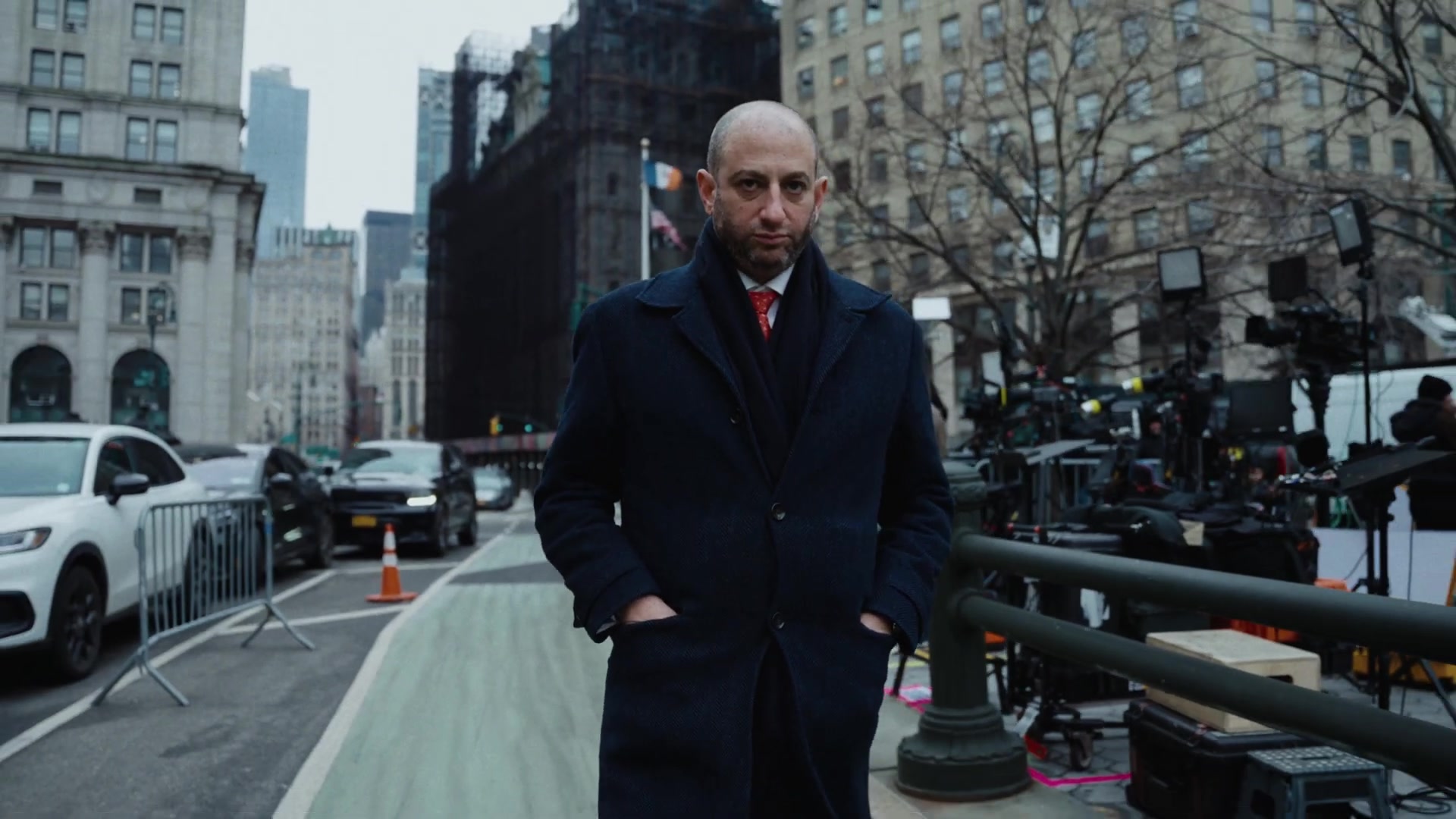
Defense Team Spotlight
Todd Spodek
Lead Attorney & Founder
Featured on Netflix’s “Inventing Anna,” Todd brings decades of experience defending clients in complex criminal cases.
Multi-State Bar
Federal Courts
US Supreme Court
Meet the Full Team →
Frequently Asked Questions
No. You have the right to remain silent and the right to an attorney. Invoke both rights immediately and contact Spodek Law Group.
Every case is different. We offer free initial consultations to evaluate your case and discuss our fee structure.
An arraignment is your first court appearance where charges are formally read. You enter a plea and bail may be set. Having an attorney present is critical.
Facing Criminal Charges And Have Questions? We Can Help, Tell Us What Happened.