
When Does a Target Letter Arrive?
What is a Target Letter?
When a person is the subject of a federal investigation, he or she may get a letter in the mail from the United States Attorney. This letter, known as a target letter, notifies the individual that he or she is the target of a federal investigation and will likely inform the subject what area of the law the investigation involves. The letter is customarily sent to attempt to gain a subject's cooperation in an investigation.Signs You're Under Investigation
If you get a target letter, then it's likely that you already at least suspected that an investigation was launched. An investigator from a federal agency will have already contacted you, and may have approached you to question you or search your property.What to Do Immediately
No matter what part of the investigation process you are currently dealing with, the most important thing you need to do is get in touch with a federal defense attorney. You need to begin working with an attorney as quickly as possible. Although you are at liberty to tell investigators you would like to cooperate, in reality it is not wise to do so without an attorney present. Remain calm and request time to consult with your defense attorney.First Steps in a Federal Investigation – The Target Letter
⚖ Legal Pulse: Key Statistics
15,000+
Federal Cases Filed Annually
90%
Plea Before Trial
Protecting Your Rights During Initial Contact
The first time you are questioned or approached, the best policy is to not say anything unless you are saying to the investigators that you need your lawyer to be there. Denying anything they say or lying to them could expose you to obstruction charges. You are not actually obligated to cooperate though. Instead, you should make sure to exercise your right to remain silent and your right to an attorney.After Declining Initial Questioning
After deciding not to cooperate during initial questioning, you will probably get a target letter if the case proceeds to that point. You may be asked to come in for an interview to assist with the investigation, or to appear as a grand jury witness. You should never comply with such requests in your case without an attorney, especially not if you would be liaising with a federal prosecutor. Contact an attorney right away and learn more about what options are available for your defense in a federal criminal investigation.How to Protect Yourself Against the United States Attorney
Federal Agencies That Conduct Investigations
At the point in which your case is first investigated, a federal agency will probably handle the questioning and possible search. The Federal Bureau of Investigation (FBI) deals with tons of cases, although drug related offenses are generally investigated by the Drug Enforcement Administration (DEA). Other agencies include the TTB and the Department of Homeland Security investigate cases related to the legislation they enforce.
Who Prosecutes Federal Cases
Defense Team Spotlight
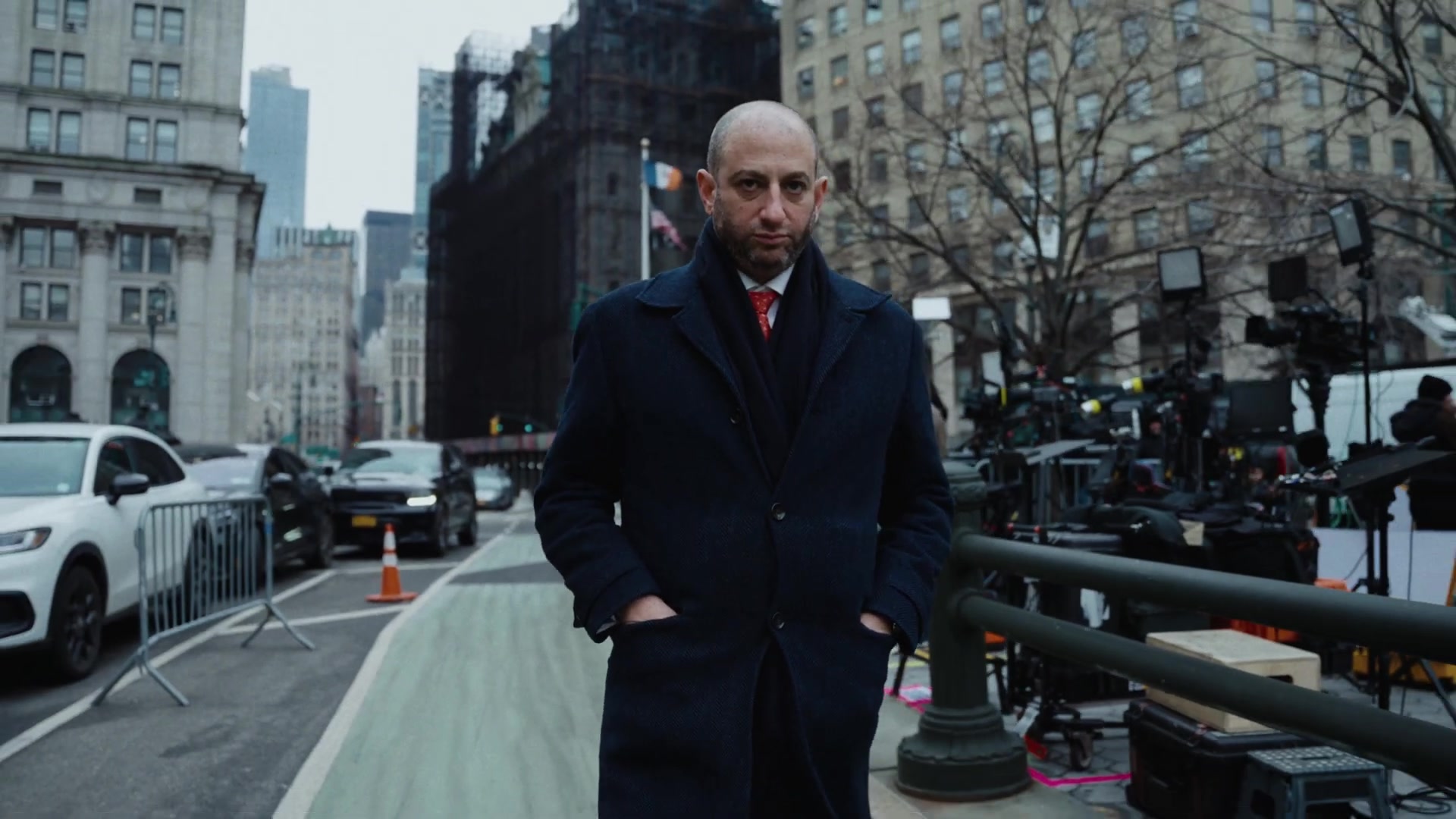
Todd Spodek
Lead Attorney & Founder
Featured on Netflix’s “Inventing Anna,” Todd brings decades of experience defending clients in complex criminal cases.
Multi-State Bar
Federal Courts
US Supreme Court
Meet the Full Team →
The Role of Your Defense Attorney
If you have an experienced defense attorney on your team, there are steps they can take to ensure that the prosecution doesn't build a strong case against you, and also make sure that your side of the account is correctly and effectively presented if your case does proceed to trial. Don't try to talk to them or send any written replies to try to clear your name after receiving a target letter, without first contacting a defense attorney.Target Letters and Federal Investigation Defense
If you have received a target letter, your lawyer will advise you on what you need to say and do as you proceed through an investigation, and will do everything they can to protect you continuing even into a possible trial.Frequently Asked Questions
No. You have the right to remain silent and the right to an attorney. Invoke both rights immediately and contact Spodek Law Group.
Every case is different. We offer free initial consultations to evaluate your case and discuss our fee structure.
An arraignment is your first court appearance where charges are formally read. You enter a plea and bail may be set. Having an attorney present is critical.
Facing Criminal Charges And Have Questions? We Can Help, Tell Us What Happened.