
What Happens After a Federal Indictment?
Welcome to Spodek Law Group. We understand that if you're reading this, something has fundamentally shifted in your life. You've been indicted by a federal grand jury, or someone you love has, and now everything feels like it's moving too fast and too slow at the same time. Our goal is to help you understand exactly what happens next, because the decisions you make in the first 72 hours after a federal indictment can determine the trajectory of your entire case. The word "indictment" carries weight that few other legal terms match. It sounds final. It sounds like conviction. But here's what you need to understand right now before you read anything else: an indictment is NOT a conviction. It is a formal accusation by a grand jury that says there is probable cause to believe you committed a federal crime. The standard for indictment is low, the conviction rate is high, but the outcome is not yet determined. What you do next matters enormously. Most people who find themselves federally indicted have a version of the same question running through their minds: Is this the end? The answer is no. But it is the beginning of a process that 98% of defendants never fully understand until it's too late to do anything about it. The federal criminal justice system operates differently than anything you've seen on television or experienced in state court. If you approach it with the wrong assumptions, those assumptions will destroy you.The Moment Everything Changes: What Indictment Actually Means
A federal indictment means a grand jury of 16 to 23 citizens reviewed evidence presented by a federal prosecutor and concluded there is probable cause to believe you committed a crime. Heres the thing most people dont realize about grand juries: they operate entirely in secret. You werent there. Your lawyer wasnt there. The prosecutor presented their version of events without any cross-examination, without any challenge, and the grand jury agreed it was enough to move forward with charges against you. The grand jury indictment rate in federal court is aproximately 99.9%. This isnt because every case is solid or because every defendant is actualy guilty. Its because prosecutors completly control what the grand jury sees and hears. They dont present exculpatory evidence that might help you. They dont present your side of the story. They dont allow your lawyer to object or ask questions. The grand jury process is so one-sided that a famous judge once said prosecutors could indict a ham sandwich if they wanted to. The indictment proves nothing about guilt. It proves only that a prosecutor decided to pursue you. OK so what does this actualy mean for your situation right now. It means the government has been building a case against you, probly for months or even years before you knew anything was happening. Theyve been gathering documents, interviewing witnesses, tracking your financial transactions, and assembling evidence. They didnt bring this case on a whim. Federal prosecutors dont gamble on outcomes the way some state prosecutors might when there under pressure to charge quickly. They wait until theyve assembled what they believe is an airtight case, and then they file charges. By the time you see your name on that indictment, theyve already decided they can convict you. But heres what seperates people who survive federal prosecution from people who get completly crushed by it: understanding that the indictment is not the end of the story. Its the begining of a process were strategic decisions matter enormously. At Spodek Law Group, we tell clients that the next 72 hours are when cases are won or lost. Not at trial. Not at sentencing. In the first three days after indictment, when most defendants are paralyzed by fear and making catastrophic mistakes that there lawyers have to spend months trying to fix.The First 72 Hours: Where Your Case Is Won or Lost
After a federal indictment, one of two things happens to you. Either federal marshals show up to arrest you at your home or workplace, or you receive a summons ordering you to appear in court on a specified date. The difference between these two outcomes depends on your charges, your criminal history, and weather your lawyer has already contacted the prosecutors office to arrange a voluntary surrender. Most people are arrested. This usualy happens early in the morning, around 6 or 7 AM, when federal agents knock on your door while your family is still sleeping. Its designed to be disorienting and frightening. Your handed a warrant, your taken into custody in front of your spouse or children, and within 24 to 48 hours your standing before a federal magistrate judge for your initial appearance. During this appearance, the charges against you are read aloud, your rights are explained, and most importantly, the question of your pretrial release or detention begins to take shape. If you recieve a summons instead of an arrest, consider yourself fortunate. This usualy happens when youve already retained counsel who has been communicating with prosecutors on your behalf, when your charges are non-violent white collar offenses, or when the court beleives your unlikely to flee. But dont mistake a summons for mercy or an indication that there going easy on you. The same charges apply. The same conviction rates apply. The same potential sentences apply. Youve simply been given the gift of preparing your defense from outside a jail cell. Heres were most people make there first devastating mistake. In the chaos of arrest or upon recieving a summons, they talk. They try to explain there innocence. They answer questions from agents thinking cooperation will help them or make them look less guilty. Every word you say to a federal agent without your lawyer present becomes evidence that can be used against you. Every statement, however innocent it seems to you at the time, can be twisted into something that hurts you later at trial or during plea negotiations. The single most important rule in the first 72 hours is this: say nothing to anyone with a badge until your lawyer is standing next to you. Todd Spodek at Spodek Law Group has represented countless clients who made this mistake before they called us. They thought they could talk there way out of trouble. They thought being cooperative would signal innocence. What they didnt understand is that federal agents are trained profesionals who know exactly how to extract statements that prosecutors can use against you. Your attempt at cooperation becomes the noose around your neck. Your innocent explanations become admissions. Your nervousness becomes evidence of guilt.The Detention Hearing: The Most Important Day You've Never Heard Of
⚖ Legal Pulse: Key Statistics
15,000+
Federal Cases Filed Annually
90%
Plea Before Trial
The 98% Reality: Why Trial Is a Fantasy for Most Defendants
If you're imagining your federal case going to trial, if you're picturing yourself on the witness stand explaining your innocence to a jury of your peers, you need to understand something uncomfortable. Trial almost never happens in federal court. The system is designed to prevent it. The system is designed to make you plead guilty. According to Department of Justice statistics, 98% of federal cases end in plea bargains. Only 2% go to trial. Of that tiny 2% who actualy go to trial, aproximately 83% are convicted anyway. According to Pew Research Center analysis, in fiscal year 2022, only 290 defendants out of nearly 72,000 went to trial and were aquitted. Thats 0.4%. Less than half of one percent actualy won at trial and walked out free. Think about that number for a moment. Less than half of one percent. The trial you're imagining, the one where you prove your innocence and the jury sides with you against the government, happens for fewer than 1 in 200 federal defendants. For everyone else, the case ends in a guilty plea. This is not because everyone is guilty. Its because the system applies crushing pressure to plead and makes trial seem like suicide. Federal prosecutors stack charges. They add counts that maximize your potential exposure to decades in prison. Then they offer a plea deal that looks generous compared to the worst case scenario theyve constructed. Plead to two counts and face 5 years, or go to trial on eight counts and face 30 years. Faced with that math, most people take the deal. Rational people take the deal. Innocent people take the deal. The system knows this and relies on it. At Spodek Law Group, we aproach federal cases with this reality clearly in mind. We dont feed clients fantasies about dramatic trial victories that statisticaly almost never happen. We focus on what actualy determines outcomes in the real world: early intervention before charges are filed when possible, smart negotiation with prosecutors who hold most of the cards, and strategic decisions made before the systems momentum becomes unstoppable.The Speedy Trial Paradox: Why Your Lawyer Will Tell You to Wait
The Speedy Trial Act guarantees that your trial must begin within 70 days of indictment or your initial appearance, whichever comes later. This sounds like a protection designed to help you. You might even want to exercise this right immediately, to get this nightmare over with as quickly as possible and move on with your life. Heres the paradox that confuses almost every defendant: your lawyer will almost certainly tell you to waive your speedy trial rights. This feels like surrender. It feels like letting the government win. It feels like admitting you're scared to face trial. But its actualy the opposite of surrender. Federal prosecutors have been building there case for months or years before you were indicted. They know every document in the evidence file. Theyve interviewed every witness multiple times. There case is ready and polished. Your case is not. You've had days or weeks to prepare. They've had years. Rushing to trial against an adversary who's already finished there preparation while you're still trying to understand the charges is suicide. When you waive speedy trial, you give your defense team time to review the government's evidence, to file motions that might exclude some of that evidence as illegally obtained, to investigate your own case, to find weaknesses in the prosecution's theory that they've overlooked. Complex federal cases involving fraud, RICO charges, or multiple defendants can take two to three years to reach trial. That timeline exists because defendants need it. The cases where speedy trial makes sense are genuinely rare. If the government's case is weak and getting weaker, if witnesses are dying or disappearing or changing there stories, if evidence is fading, speed might favor you. But in most federal cases, time is your ally. Use it.The Discovery Avalanche: What They Already Have on You
Within weeks of your indictment, the government must begin turning over discovery. This is the evidence they plan to use against you at trial, and often the evidence that might help you as well. Federal prosecutors have legal obligations under Brady to disclose exculpatory evidence that could prove your innocence, under Giglio to disclose information that could impeach there witnesses, and under the Jencks Act to provide prior statements made by witnesses who will testify against you at trial. The discovery phase is were many defendants first truley understand how long the government has been watching them. You will recieve bank records you forgot existed. Email chains from years ago that you barely remember writing. Text messages you definately dont remember sending. Phone records showing every call you made. The government has been methodicaly assembling this material for months or years while you lived your normal life, completley unaware that agents were building a case file with your name on it. But heres were the information asymetry becomes truley painful. Federal cases often involve thousands or millions of documents. Emails spanning years of communication. Bank records going back a decade. Phone records. Text messages. Cooperating witness interviews. Corporate records. Financial statements. The government has had years to organize and understand this material. You have months. This discovery avalanche is not accidental. It is strategy. The more material the defense must review, the more resources required. The more time consumed. The more pressure applied. Some defense attorneys describe discovery in federal cases as drowning in paper while trying to find the few documents that actualy matter. Understanding the discovery process matters because it reveals what the government already knows about you. By the time you're indicted, they've subpoenaed your records, tracked your transactions, interviewed your associates and business partners. The investigation happened in secret, and now you're finaly seeing its results. This is why experienced federal defense attorneys focus on understanding the evidence as early as possible. The evidence tells you whether to fight, and how.
When You Need a Lawyer Who Understands This System
Defense Team Spotlight
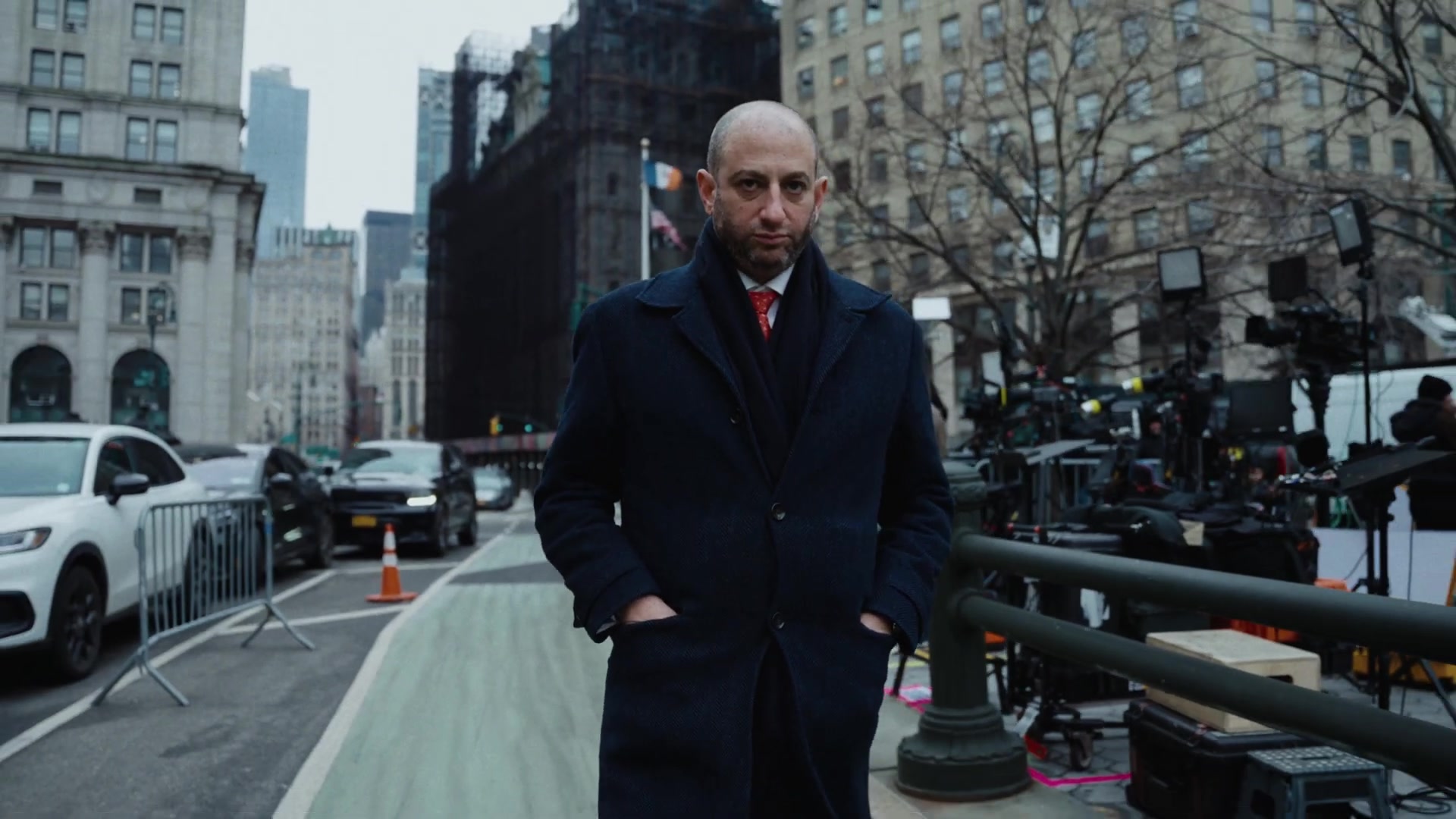
Todd Spodek
Lead Attorney & Founder
Featured on Netflix’s “Inventing Anna,” Todd brings decades of experience defending clients in complex criminal cases.
Multi-State Bar
Federal Courts
US Supreme Court
Meet the Full Team →
Frequently Asked Questions
No. You have the right to remain silent and the right to an attorney. Invoke both rights immediately and contact Spodek Law Group.
Every case is different. We offer free initial consultations to evaluate your case and discuss our fee structure.
An arraignment is your first court appearance where charges are formally read. You enter a plea and bail may be set. Having an attorney present is critical.
Facing Criminal Charges And Have Questions? We Can Help, Tell Us What Happened.