What Is a Federal Target Letter and Why Did I Get One?
You are holding a piece of paper that most federal defendants never see. That sentence probably confuses you. The letter in your hands feels like the worst news of your life - how could NOT receiving it be worse? But here is the reality: the vast majority of people who face federal indictment wake up to FBI agents at their door, or discover they have been charged when they see their name on a press release. You received advance warning. That changes everything about what happens next. Welcome to Spodek Law Group. Our goal is to explain what this letter actually means - not just the legal definition, but what it reveals about where you stand in the federal criminal justice system right now. Most law firm websites will give you a sanitized version of this information. We believe you deserve to understand the machine you have just been pulled into. The target letter is not an indictment. It is not an arrest warrant. It is not even a guarantee that charges are coming. But it IS a formal classification - the federal government has officially categorized you as a "target," which means something very specific under Department of Justice guidelines. Understanding that classification is the first step toward understanding your options.What the Government Just Told You About Your Future
Lets start with what "target" actualy means. The Department of Justice manual defines a target as "a person as to whom the prosecutor or the grand jury has substantial evidence linking him or her to the commission of a crime and who, in the judgment of the prosecutor, is a putative defendant." Read that definition carefully. Two phrases matter: "substantial evidence" and "putative defendant." Substantial evidence means this isnt a fishing expedition. By the time you recieve a target letter, federal prosecutors beleive they have enough evidence to prove your guilty. Putative defendant means they already think of you as the defendant in a criminal case that hasnt been filed yet. Heres the uncomfortable truth nobody wants to say out loud. The government dosent send target letters to people there uncertain about. They send them to people theyve decided are going to be defendants. The letter is a courtesy, not a question. There not asking if your guilty - theyve already concluded that you are. The investigation that produced this letter has been running for months, probly years, without you knowing about it. Theyve reviewed your bank records. Theyve subpoenaed your emails. Theyve talked to your employees, your business partners, maybe your freinds. All of this happened before you knew anything was wrong.Why Most Defendants Never See This Letter
OK so heres were things get wierd. The federal government is not required to send target letters. According to the DOJ's own policies, target letters are a matter of practice, not legal requirement. Prosecutors can indict you tomorrow without ever warning you. Most of them do exactly that. Think about what this means. The majority of people who get federally indicted never recieve a target letter. They find out there charged when federal agents show up at there door with handcuffs. Or when there name appears in a press release. Or when a reporter calls there spouse asking for comment. So why did you get a letter when most people dont? Prosecutors send target letters when they want something from you. Maybe they want your cooperation against someone else. Maybe they want you to plead guilty before they have to present to the grand jury. Maybe they want information you have about a larger conspiracy. Whatever the reason, the letter signals that there open to communication. This is actualy good news disguised as terrifying news. The people who get arrested without warning had no window of opportunity. They never got the chance to hire an attorney before charges were filed. They never got to present exculpatory evidence to prosecutors before the grand jury voted. They went straight from "normal life" to "federal defendant" with no transition period. You have a transition period. That dosent mean your going to avoid charges. But it means you have options that most defendants never get.The Hierarchy: Target, Subject, Witness
The federal government categorizes people in investigations into three groups. Understanding which group your in - and how that can change - matters more then most people realize. A witness is someone the government beleives has information about a crime. Witnesses arnt suspected of wrongdoing. There just people who might know something usefull. A subject is someone whose conduct is within the scope of the investigation. Subjects arnt being accused of crimes yet, but prosecutors are looking at there actions. The line between subject and target is thin and can shift overnight. A target is you. The government has substantial evidence linking you to a crime and considers you a likely defendant. Youve been classified. Your not a person of interest. Your a putative defendant. Heres the hidden connection nobody talks about. These categories arnt fixed. Todays witness becomes tomorrows subject becomes next weeks target. The investigation is dynamic. Evidence comes in. Witnesses cooperate and name new names. Grand jury testimony reveals new information. The target letter is a snapshot of were you stand right now. It dosent tell you were youll be in three months. Some targets get reclassified as subjects or even witnesses if there attorneys present compelling evidence. Some witnesses end up as targets after investigators learn more. Your classification can shift - but only if you act while the investigation is still active.The Numbers That Matter: 99.99%
⚖ Legal Pulse: Key Statistics
15,000+
Federal Cases Filed Annually
90%
Plea Before Trial
What the Grand Jury Room Actually Looks Like
Most people imagine grand jury proceedings as something like a trial. Two sides presenting evidence. A judge overseeing fairness. Cross-examination of witnesses. Objections. Rules. Thats not how it works. Inside the grand jury room, there is no defense attorney. As experienced practitioners note, your lawyer cannot accompany you into the grand jury room. They have to wait outside. You sit alone facing the prosecutor and the grand jurors. There is no judge. Nobody is overseeing the proceedings to ensure fairness. The prosecutor runs the show completly. There is no cross-examination. The prosecutor asks questions. You answer. Nobody challenges the prosecutors characterization of evidence. Nobody points out inconsistencies. Nobody objects to leading questions. The grand jury only hears what the government wants them to hear. If there is exculpatory evidence that helps you, the prosecutor is not required to present it. Grand jury proceedings are, by design, one-sided. This is why the indictment rate is 99.99%. Its not because everyone is guilty. Its because the grand jury only sees the case through the prosecutors lens. There is no defense presentation. There is no balance. The system is designed to produce indictments. Todd Spodek has seen clients go from target to witness, and hes seen targets who waited too long and ended up as defendants. The difference is almost always what happened before the grand jury presentation - not during it.The 10-20% Who Avoid Indictment
If 80-90% of target letter recipients get indicted, what separates the 10-20% who dont? The answer is almost always early intervention. The people who avoid indictment typically share certain characteristics. They hired federal criminal defense attorneys immediatly. Not after the weekend. Not after they "figured out whats happening." Within days of recieving the letter. The 10-20% who avoided indictment understood that every hour mattered. They didnt wait to process there emotions. They didnt wait to "get there affairs in order." They picked up the phone and made the call that changed there outcome. There attorneys contacted prosecutors quickly. They opened communication channels before the prosecutor was fully committed to bringing charges. Prosecutors have a psychology - early in an investigation, dropping a case costs them nothing. But as they invest more time, more resources, more political capital, backing down becomes harder. The attorneys who succeed in preventing indictment understand this psychology and move fast. They presented exculpatory evidence the government hadnt seen. Sometimes prosecutors dont have the full picture. An attorney who can present missing context can change the calculus. Maybe there was a legitimate business purpose for that transaction. Maybe that email was taken out of context. Maybe a key witness has credibility problems the government dosent know about yet. They explored cooperation. In some cases, the person who recieved a target letter had information about someone higher up the chain. Cooperating against bigger fish can transform a target into a witness. This isnt about "snitching" - its about understanding what the government actualy wants. Sometimes your prosecution is less valuable to them then your testimony. They negotiated pre-indictment resolutions. Sometimes prosecutors are willing to resolve cases without going to the grand jury - through civil settlements, deferred prosecution agreements, or non-prosecution agreements. These alternatives exist. But there only available before indictment. Once the grand jury votes, these options close permanently. What these strategies have in common is timing. They all require acting during the window between target letter and grand jury presentation. Once the grand jury votes, these options largely disappear. At Spodek Law Group, we see this pattern constantely. The clients who come to us within days of recieving there target letter have options. The clients who wait weeks or months often dont. Todd Spodek has personally handled cases were early intervention made the difference between a declination letter and a federal indictment. The window is real. But it dosent stay open forever.Why Prosecutors Bother Sending Letters at All
Heres the irony nobody mentions. The government just informed you that your a putative defendant with substantial evidence against you - using the polite language of an invitation. "You are invited to appear before the grand jury." "You may wish to consult with an attorney." It reads like a form letter from a bureaucracy, not a warning that your life is about to change. Why bother with the courtesy? Prosecutors have multiple reasons for sending target letters instead of just proceeding to indictment. They want information. Sometimes your cooperation is more valuable then your prosecution. If you know things about people the government cares about more then you, the letter is an opening offer. They want efficiency. Pre-indictment guilty pleas save everyone time and resources. If your going to plead guilty anyway, why not do it before the grand jury presentation? They want to avoid surprises. An attorney who appears before indictment can present evidence that changes the case. Some prosecutors prefer to know what there facing before they commit to charges. Its department policy. The Justice Manual encourages notifying targets, even though its not required. Some prosecutors follow the guidance more closely then others. Whatever the reason, the letter means the door is open. Prosecutors who wanted to arrest you without warning would have done so already. The letter is communication - and communication suggests they want something.
What Types of Cases Generate Target Letters
Target letters appear most frequently in white-collar criminal investigations. These are the cases were prosecutors tend to provide advance notice rather then surprise arrests. Understanding why helps you understand what your facing. Wire fraud and mail fraud. Any scheme that uses electronic communications or the postal service to defraud someone. Business email compromise, investment fraud, insurance fraud - if money moved electronically and someone felt cheated, wire fraud is probly on the table. Tax evasion and tax fraud. The IRS Criminal Investigation division works closely with U.S. Attorneys offices. If your recieving a target letter related to taxes, the IRS has already concluded that your conduct goes beyond careless mistakes into criminal territory. Healthcare fraud. Billing schemes, kickback arrangements, unnecessary procedures - healthcare fraud investigations can take years before target letters go out. The government builds massive cases with extensive documentation. PPP and EIDL fraud. The pandemic relief programs created a wave of fraud investigations that continues today. If you recieved COVID-era relief funds and your now holding a target letter, your part of one of the largest fraud enforcement efforts in federal history. Securities fraud. SEC investigations often run parallel to criminal investigations. A target letter might arrive alongside or shortly after SEC enforcement activity. Public corruption. Bribery, kickbacks, honest services fraud - these cases often involve cooperating witnesses who have already flipped. If you recieved a target letter in a public corruption case, someone has probly already talked. Drug trafficking. While drug cases often involve surprise arrests, complex trafficking investigations sometimes proceed more methodically. Target letters in drug cases usually indicate your role in a larger organization thats being dismantled. The type of case matters becuase different crimes have different dynamics. White-collar cases often have more room for negotiation then violent crimes. Drug cases may involve mandatory minimums that limit prosecutorial flexibility. Your attorney needs to understand the specific landscape of your case type.The Chain Reaction Already in Motion
Defense Team Spotlight
Todd Spodek
Lead Attorney & Founder
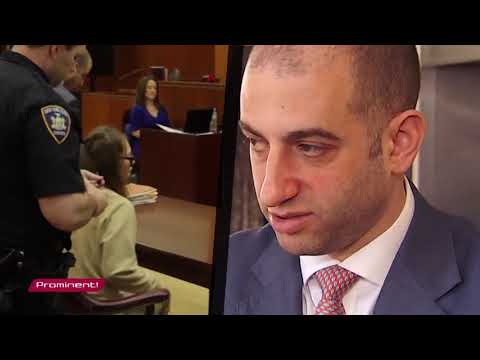
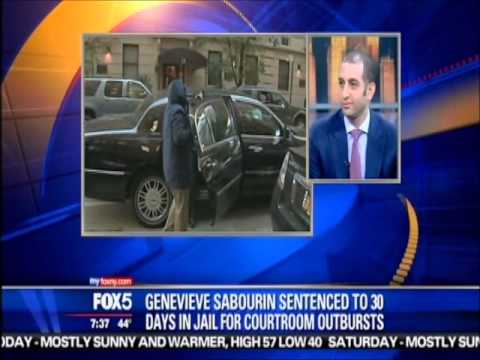
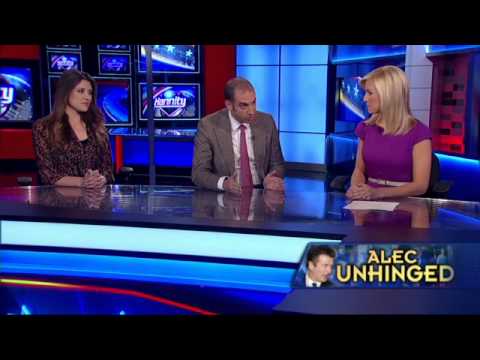
Featured on Netflix’s “Inventing Anna,” Todd brings decades of experience defending clients in complex criminal cases.
Multi-State Bar
Federal Courts
US Supreme Court
Meet the Full Team →
Your Window Before the Vote
Heres what you need to understand about the next 30 to 45 days. Theres no legal deadline for prosecutors to present your case to the grand jury. Investigations can technicaly drag on for years. But the practical reality is different. Prosecutors dont send target letters and then sit around indefinately. They send them because there preparing to present to the grand jury soon. The window exists. But its not infinite. Todd built Spodek Law Group to intervene in exactly this window - the gap between target letter and grand jury vote. Its the only moment in the entire federal criminal process were you have meaningful leverage. Once charges are filed, the machinery works against you. Before charges are filed, the outcome is still uncertain. If you recieved a target letter, call us at 212-300-5196. The consultation is free. The cost of waiting is not. Your probably wondering wheather hiring an attorney will make you look guilty. It wont. Every sophisticated target hires an attorney. Prosecutors expect it. What makes you look guilty is talking to federal agents without counsel, destroying evidence, or waiting so long that the grand jury votes before anyone contacts the prosecutors office. The letter in your hands is a classification. You are now a target. That classification can change - but only if you act while the investigation is still active. The window exists. Use it.Frequently Asked Questions
No. You have the right to remain silent and the right to an attorney. Invoke both rights immediately and contact Spodek Law Group.
Every case is different. We offer free initial consultations to evaluate your case and discuss our fee structure.
An arraignment is your first court appearance where charges are formally read. You enter a plea and bail may be set. Having an attorney present is critical.
Facing Criminal Charges And Have Questions? We Can Help, Tell Us What Happened.