
What the 90%+ Conviction Rate Actually Means
The federal conviction rate is over 90%, with recent data showing 97% guilty plea rates in fiscal year 2024 according to the U.S. Sentencing Commission, but that statistic is profoundly misleading in a way that prosecutors and even some defense attorneys won't explain to you because when you hear "90%+ conviction rate," your brain interprets that as "90% of people who go to trial lose," and that's not what it means since the overwhelming majority of that conviction rate - 97% in 2024 - comes from guilty pleas, not trial verdicts, meaning only 2-3% of federal cases ever reach trial, and the conviction rate includes everyone who pled guilty, often under extreme pressure from the trial penalty, so if you actually go to trial, your odds are still terrible but different because according to Pew Research data from 2018, only 320 out of 79,704 federal defendants won at trial - that's 0.4% - and trial conviction rates hover around 83-99% depending on whether you choose a jury trial (86% conviction rate) or bench trial (62% conviction rate), which are horrific odds, but they're not the same as the overall 90%+ figure that gets used to terrify defendants into pleading guilty, and why does this distinction matter to you, well because prosecutors present the 90%+ conviction rate as if it predicts what will happen if you go to trial by saying "Look at these odds, you should take the plea deal now," but that 90%+ rate mostly reflects people who surrendered before trial, often because of the trial penalty, making it psychological warfare designed to pressure guilty pleas rather than an accurate prediction of your trial outcome if you have competent federal defense counsel and viable defenses, and the federal conviction rate also includes the 8.2% of cases that get dismissed - they count as "resolved" but not as acquittals - which is roughly 1 in 12 federal cases where charges get dropped because evidence gets suppressed, witnesses fall apart, or prosecutors discover constitutional violations, so your case might be one of those.Why the Federal Conviction Rate Is So High
The high federal conviction rate isn't evidence that federal prosecutors are legal geniuses who never lose. It's evidence that they're selective about which cases they bring. Federal prosecutors only bring cases when they have overwhelming evidence. Unlike state prosecutors who often charge based on police reports within days of an arrest, federal agencies investigate for months or even years before bringing charges. By the time you're indicted federally, the government typically has your emails, financial records, cooperating witnesses who've already pled guilty and agreed to testify against you, and often surveillance footage or wiretap recordings. This is what Todd Spodek means when he explains selective prosecution to clients: "Federal prosecutors decline weak cases. They only proceed when they believe they can win. By the time you're charged, assume they've built a strong case and plan accordingly." The high conviction rate reflects that selectivity - they don't prosecute cases they might lose. If you've been charged federally, the government believes it has strong evidence against you. That doesn't mean you're guilty. It doesn't mean you have no defenses. But it does mean you need experienced federal defense counsel who can identify weaknesses in even strong cases.The Trial Penalty
⚖ Legal Pulse: Key Statistics
15,000+
Federal Cases Filed Annually
90%
Plea Before Trial
Should You Go to Trial?
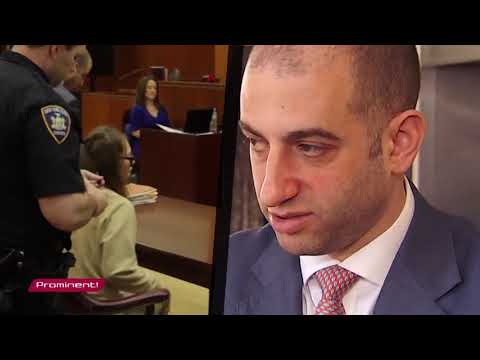
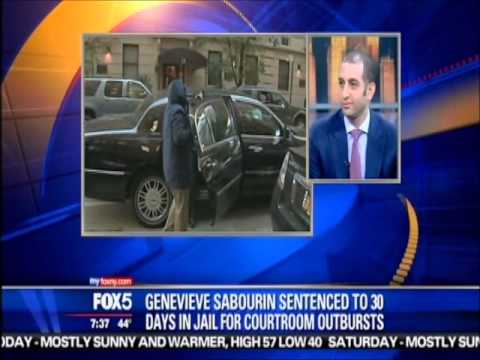
Given these statistics, should anyone ever go to trial in federal court? The answer is yes - but only in specific scenarios where trial makes strategic sense despite the risks. Trial makes sense when the government's evidence is weak AND you have a top-tier federal defense attorney who can exploit those weaknesses. It makes sense when you're innocent AND the trial penalty isn't catastrophic. It makes sense when you're already facing life imprisonment and have nothing to lose. Todd Spodek's representation of Anna Delvey is an example of aggressive federal defense in a high-stakes case. Sometimes fighting is the right answer, even against long odds. The factors that matter in this decision: the strength of evidence against you, the trial penalty multiplier, your tolerance for risk, and critically, the quality and federal experience of your defense attorney.Why Your Federal Defense Attorney Matters
Conviction rate statistics are population averages. Your outcome depends on your attorney's federal experience, their relationship with the Assistant U.S. Attorneys in your district, and their skill at negotiating plea agreements or litigating complex federal cases. Federal criminal defense is highly specialized. State criminal defense attorneys often don't understand federal sentencing guidelines or the procedural differences in federal court. What federal experience actually means: your attorney needs relationships with the AUSAs prosecuting your case, deep understanding of the sentencing guidelines, experience with federal cooperation agreements (5K1.1 motions, substantial assistance), and actual federal trial experience. A good federal defense attorney changes outcomes even within the conviction rate statistics. The difference between a 5-year sentence and a 10-year sentence is still a "conviction" in the statistics, but it's your entire life. Todd Spodek's federal defense experience spans decades and includes high-profile cases like the Inventing Anna prosecution. Federal defense requires not just legal knowledge but strategic thinking about your specific situation - your evidence, your exposure, your options.What This Means for Your Decision
The 90%+ federal conviction rate is real. But what it measures is more complicated than "your chances of being convicted." It measures selective prosecution - the government only bringing cases it believes it can win. It measures the trial penalty - the coercive pressure of facing sentences 3-8 times higher if you exercise your constitutional right to trial. It measures the 97% of defendants who pled guilty, many under that coercive pressure. What it doesn't measure is your specific case with your specific evidence and your specific defense strategy. It doesn't predict whether your case might be in the 8.2% that gets dismissed. It doesn't tell you whether cooperation could reduce your sentence by 50%. When prosecutors tell you "federal conviction rate is 90%, you should plead guilty now" - they're using statistics as a weapon. The Sixth Amendment guarantees your right to trial by jury. When 98% of defendants plead guilty because going to trial means facing sentences three to eight times higher, that right becomes more threat than protection. The high conviction rate isn't evidence that prosecutors only charge guilty people. It's evidence that the trial penalty makes it too dangerous for most people to exercise their constitutional rights. Contact Spodek Law Group at 212-300-5196 for federal criminal defense representation. We've represented clients through plea negotiations, cooperation agreements, and federal trials. We understand the conviction rate statistics, but more importantly, we understand how to navigate them in your specific case.
Defense Team Spotlight
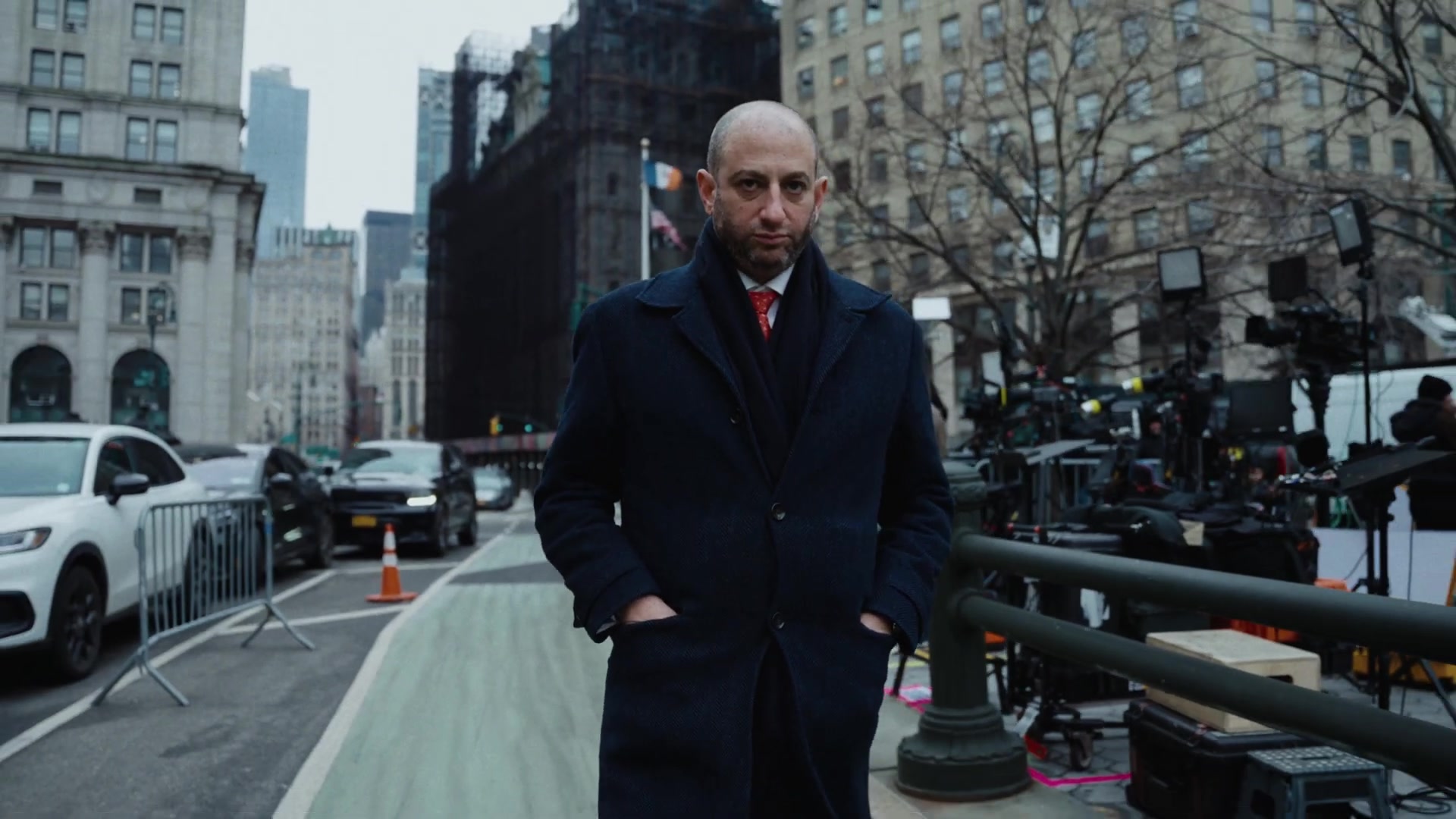
Todd Spodek
Lead Attorney & Founder
Featured on Netflix’s “Inventing Anna,” Todd brings decades of experience defending clients in complex criminal cases.
Multi-State Bar
Federal Courts
US Supreme Court
Meet the Full Team →
Frequently Asked Questions
No. You have the right to remain silent and the right to an attorney. Invoke both rights immediately and contact Spodek Law Group.
Every case is different. We offer free initial consultations to evaluate your case and discuss our fee structure.
An arraignment is your first court appearance where charges are formally read. You enter a plea and bail may be set. Having an attorney present is critical.
Facing Criminal Charges And Have Questions? We Can Help, Tell Us What Happened.