
What Is the Legal Age of Consent in the United States?
As experienced criminal defense attorneys, one of the most common questions we get asked at Spodek Law Group is: what is the legal age of consent? The answer is not as straightforward as you might think. While there are federal laws related to the age of consent, most of the applicable laws are determined at the state level. This means the legal age of consent can vary quite a bit from state to state. In this article, our team of skilled NYC criminal lawyers will break down everything you need to know about the age of consent laws, both federally and in New York state. We'll explain the nuances of these laws, the harsh penalties you could face for violating them. And how our battle-tested attorneys can mount an aggressive defense on your behalf if you are accused of statutory rape or a related offense.Federal Age of Consent Laws
Let's start by looking at the age of consent according to federal law. Federally, the age of consent is 18 years old. That means that it is illegal to knowingly engage in sexual activity with anyone under the age of 18 under federal law. However, federal age of consent laws are only applicable in very limited circumstances, such as when the sexual activity occurs on federal property or involves crossing state lines. In the vast majority of cases, state laws regarding the age of consent will apply. It's important to note that federal law also prohibits enticing or coercing anyone under 18 to engage in sexual activity, even if no sexual activity actually occurs. This is covered under 18 U.S.C. § 2422. Violations can result in fines and up to life in prison, depending on the age of the victim.New York's Age of Consent Laws
Now let's turn our attention to the age of consent laws here in New York state, where our criminal defense law firm is based. Under New York Penal Law § 130.05, the age of consent is 17 years old. That means anyone who is 16 years old or younger cannot legally consent to sexual activity. However, New York does have a "close in age" exemption, commonly known as the "Romeo and Juliet" law. This allows for consensual sex between a minor who is at least 13 and someone which is no more than 4 years older. For example, a 16-year-old could legally consent to sex with a 19-year-old, but not a 21-year-old. Charges for violating New York's age of consent laws are very serious. Depending on the age of the victim and perpetrator, it could be charged as statutory rape, sexual misconduct, or sexual abuse. Penalties can range from misdemeanors to class B violent felonies punishable by up to 25 years in prison.| Charge | Victim's Age | Perpetrator's Age | Classification |
|---|---|---|---|
| Sexual misconduct | Under 17 | 18 or older | Class A misdemeanor |
| Rape in the 3rd degree | Under 17 | 21 or older | Class E felony |
| Rape in the 2nd degree | Under 15 | 18 or older | Class D violent felony |
| Rape in the 1st degree | Under 11, or under 13 if perp is 18+ | Any | Class B violent felony |
Age of Consent Laws in Other States
While we've focused on federal law and New York state law so far, it's important to understand that age of consent laws can vary quite a bit in other states. Let's take a quick look at the age of consent in a few other large states:- California: 18
- Texas: 17
- Florida: 18
- Illinois: 17
- Pennsylvania: 16
⚖ Legal Pulse: Key Statistics
15,000+
Federal Cases Filed Annually
90%
Plea Before Trial
Defending Against Statutory Rape Charges in New York
Now that you understand the basics of age of consent laws, let's talk about what to do if you are actually accused of statutory rape or a related offense in New York. The first thing to understand is that consent is not a defense to statutory rape. Even if the underage person agreed to the sexual activity, it is still illegal. However, that does not mean there are no defenses available. Some common defenses against statutory rape charges include:Honest Mistake of Age
If you reasonably believed the alleged victim was over the age of consent, that can be a defense. However, simply not asking for ID is not enough. There must be some evidence the alleged victim affirmatively lied about their age or looked significantly older.Involuntary Intoxication
If you were drugged or extremely intoxicated to the point you did not understand what was happening, that could potentially be a defense. Voluntary intoxication is not a defense though.Factual Innocence
Perhaps the alleged sexual activity never actually occurred. Or you have been falsely accused. Proving your innocence through evidence like alibis, eyewitness testimony, or electronic records is a complete defense.
Unconstitutional Statute
In rare cases, it may be possible to challenge the constitutionality of the specific statute you are charged under. For example, if it is excessively vague or violates your constitutional rights. Importantly, consent can be a defense if you fall under New York's close-in-age exemption. For example, if you are 18 and had consensual sex with a 15-year-old, that would not violate New York's statutory rape laws due to the 4-year age gap provision. However, those close-in-age exemptions will not apply if you are accused of a more serious offense like rape in the first degree for having sex with someone under 11 years old. In those cases, you should not speak to investigators without an attorney. Exercise your Fifth Amendment rights. And let your lawyer do the talking. At Spodek Law Group, we have a long track record of success defending clients against even the most serious sex crime allegations. We will thoroughly investigate the case, identify all possible defenses, and relentlessly advocate for you. Our goal is always to get the charges reduced or dismissed entirely. If necessary, we have the trial experience in order to convincingly argue your case to a jury.High-Profile Underage Sex Crime Cases
Defense Team Spotlight
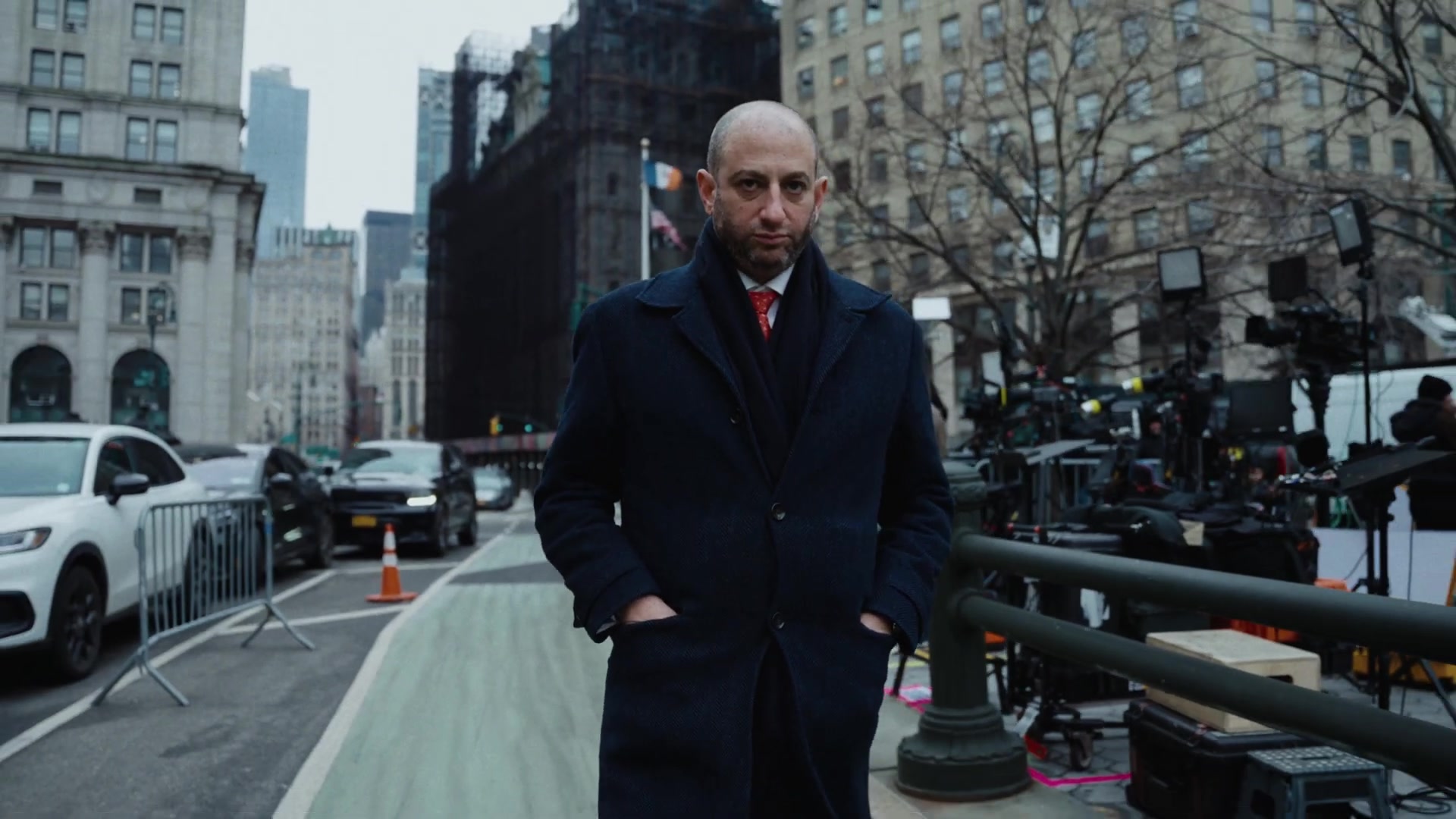
Todd Spodek
Lead Attorney & Founder
Featured on Netflix’s “Inventing Anna,” Todd brings decades of experience defending clients in complex criminal cases.
Multi-State Bar
Federal Courts
US Supreme Court
Meet the Full Team →
What To Do If You Are Investigated for Statutory Rape
We've talked a lot about defending against statutory rape charges, but what should you do if you have not yet been charged and are only under investigation? The most important thing is to not panic, but also not ignore the situation and hope it goes away. It will not. If investigators ask to speak with you, politely decline and say you will not answer questions without an attorney present. Contact an experienced NYC sex crimes lawyer immediately. At Spodek Law Group, we can intervene early in the process and often prevent charges from being filed at all. We know exactly how to deal with investigators and prosecutors. It's also critical that you do not delete any electronic evidence like text messages, social media posts, or photos. That could be considered tampering with evidence. And lead to additional charges. Preserve all records and turn them over to your attorney. Finally, do not discuss the case with anyone except your lawyer. Don't talk about it with friends or family. Don't contact the alleged victim. Anything you say can and will be used against you. Let your attorney handle all communications about the case.Consult With Our Skilled NYC Statutory Rape Defense Lawyers Today
We've covered a lot of information in this article, but the single most important takeaway is this: if you are facing statutory rape charges or being investigated for a sex crime involving an underage victim, you need to consult with an experienced NYC criminal defense lawyer immediately. Your freedom and future are at stake. At Spodek Law Group, we have the skills, experience, and aggressive approach needed in order to effectively defend you. We will leave no stones unturned in building the strongest possible defense on your behalf. We understand the sensitive nature of these cases. And will handle everything with the utmost discretion. Do not wait to get help. Contact our office today to schedule a confidential consultation with one of our battle-tested NYC statutory rape defense attorneys. We are available 24/7 to take your call. And stand ready to fight for you.Frequently Asked Questions
No. You have the right to remain silent and the right to an attorney. Invoke both rights immediately and contact Spodek Law Group.
Every case is different. We offer free initial consultations to evaluate your case and discuss our fee structure.
An arraignment is your first court appearance where charges are formally read. You enter a plea and bail may be set. Having an attorney present is critical.
Facing Criminal Charges And Have Questions? We Can Help, Tell Us What Happened.