
The Numbers Everyone Looks Up First
Let's get the official thresholds out of the way because you're going to find them everywhere: Powder Cocaine:- 500 grams: 5-year mandatory minimum
- 5 kilograms: 10-year mandatory minimum
- 28 grams: 5-year mandatory minimum
- 280 grams: 10-year mandatory minimum
- First offense: 20 years to life
- Prior felony drug conviction: Life imprisonment
Why "Mandatory" Dosent Mean What You Think
Here's the insight that changes everything about how you should think about your case: The minimum sentence isn't about the cocaine. It's about the first 48 hours after your arrest. Everyone focuses on the drugs. How many grams. What purity. Whether it was powder or crack. And yes—those things matter for determining which mandatory minimum applies IF you get hit with the full sentence. But the real question isn't "what minimum applies to me." The real question is "am I going to get the minimum, or am I going to get something lower?" The data proves most people get something lower. The question is why. Three mechanisms allow federal judges to go below mandatory minimums:- Safety Valve (18 U.S.C. § 3553(f)) - About 23.9% of drug traffickers received this in FY 2024
- Substantial Assistance (5K1.1 motion) - About 16.4% received this government-sponsored reduction
- Below-guideline departures - Judges using discretion for various reasons
⚖ Legal Pulse: Key Statistics
15,000+
Federal Cases Filed Annually
90%
Plea Before Trial
The Five Requirements That Actually Determine Your Sentence
Let's talk about the safety valve because this is were cases are won or lost. To qualify for safety valve relief—which lets the judge go below the mandatory minimum—you must meet ALL FIVE of these requirements. Not four. Not most of them. All five, without exception. 1. Criminal History Points You need zero or one criminal history point. Here's how points work under the federal sentencing guidelines:- Prior sentence over 13 months = 3 points (disqualified)
- Prior sentence 60 days to 13 months = 2 points (disqualified)
- Prior sentence under 60 days = 1 point (still eligible if its your only point)
How Criminal History Destroys Your Options
I want to spend more time on criminal history because this is were I see people get blindsided constantly. The federal criminal history calculation isn't like state court. It's not just "do you have a felony or not." It's a complex point system that reaches back into things you thought were over years ago. Consider this scenario: Your 25 years old. When you were 19, you got caught with weed and did 90 days in county jail. You thought that was over. It's not. That 90 days gives you 2 criminal history points. Your already ineligible for safety valve. Or this one: You got a DUI five years ago. Did a 30-day suspended sentence. That's one point. Then two years ago, you got in a bar fight. Misdemeanor assault, 45 days. That's another point. Now your at 2 points. Safety valve gone. The Federal Sentencing Guidelines count everything. Juvenile adjudications in some cases. Misdemeanors in some cases. Even diversionary programs where the charge was eventualy dismissed can sometimes count if you served more than 30 days probation. And here's what realy hurts: the First Step Act expanded safety valve eligibility in 2018, but only slightly. You now need "4 or fewer" criminal history points instead of "1 or fewer" in some situations, but there are so many carve-outs and exceptions that most people still don't qualify. The expansion sounds good on paper. In practice, it helps fewer people than Congress claimed it would. Here's the math that matters: In FY 2024, only 23.9% of drug trafficking offenders received safety valve relief. That means over 75% didn't qualify. The most common reason? Criminal history.The Cooperation Trap Nobody Warns You About
So safety valve isn't going to work for you. Maybe you have too many criminal history points. Maybe there was a gun involved. Maybe someone overdosed. Whatever the reason—your out. That leaves substantial assistance. Cooperating with the government in exchange for a sentence reduction. Heres the thing about cooperation that nobody tells you upfront: its not actualy about helping the government. Its about whether the government decides you helped enough. Here's how it actualy works in the real world, not how it sounds in legal documents: You provide information that helps prosecutors build cases against other people. If they decide your information was valuable enough, they file a 5K1.1 motion asking the judge to go below the mandatory minimum. The judge almost always grants these motions because prosecutors don't file them unless they're satisfied. Sounds straightforward. It's not. First problem: The decision to file a 5K1.1 motion is entirely in the prosecutor's discretion. You can cooperate fully, give them everything, help them make 10 arrests—and they can still decide not to file the motion. There's almost no recourse if they don't. Courts have consistantly refused to second-guess prosecutorial discretion on substantial assistance motions. Second problem: Cooperation means testifying. Not just giving information behind closed doors. Actually taking the stand, under oath, against people who may have connections, resources, and very long memories. Your cooperation becomes public record. Everyone knows you talked. Third problem: You have to tell them everything. Not just about this case. Everything you've ever done. Every crime. Every person you worked with. If they later discover you held something back, you lose the cooperation credit AND you get charged with obstruction. Prosecutors love charging obstruction because it's easy to prove and carries its own mandatory minimums. Think about Martha Stewart for a second. She didn't go to prison for insider trading. The actual insider trading allegations were basicly unprovable. She went to prison for lying to investigators. For trying to cover up something that wasn't even definately a crime. That's 18 U.S.C. § 1001—making false statements to federal agents. The maximum penalty is 5 years. The cooperation path is a one-way door. Once you start talking, you can't un-talk.The First 48 Hours: Where Cases Are Won or Lost
Here's what I need you to understand—realy understand—about federal cocaine trafficking cases: By the time most people call a lawyer, they've already made the mistakes that determine their sentence. Let me tell you what happens. The DEA or FBI shows up. They're professional. They're calm. They say something like "we just want to get your side of the story" or "this will go easier if you cooperate." And the person—scared, confused, wanting this to go away—starts talking. Every word of that conversation is being recorded or documented. Every word becomes evidence. And every word is being evaluated against one question: does this statement help or hurt the case against this person? The agents are trained to make you feel comfortable. They're trained to make talking seem like the smart move. They might even suggest that you don't need a lawyer—that asking for one makes you look guilty. That's a lie. A deliberate lie designed to get you to waive your rights. Here's the cascade of consequences from talking without a lawyer:
- You might admit to something you didn't even realize was illegal
- You might contradict yourself in ways that become "consciousness of guilt" evidence
- You might implicate other people, creating pressure for them to implicate you back
- You might disqualify yourself from safety valve by understating your role (then getting caught in the lie)
- You might give them probable cause for additional charges they weren't even investigating
- You definately lose leverage for any future negotiations
What Happens If You Qualify for Nothing
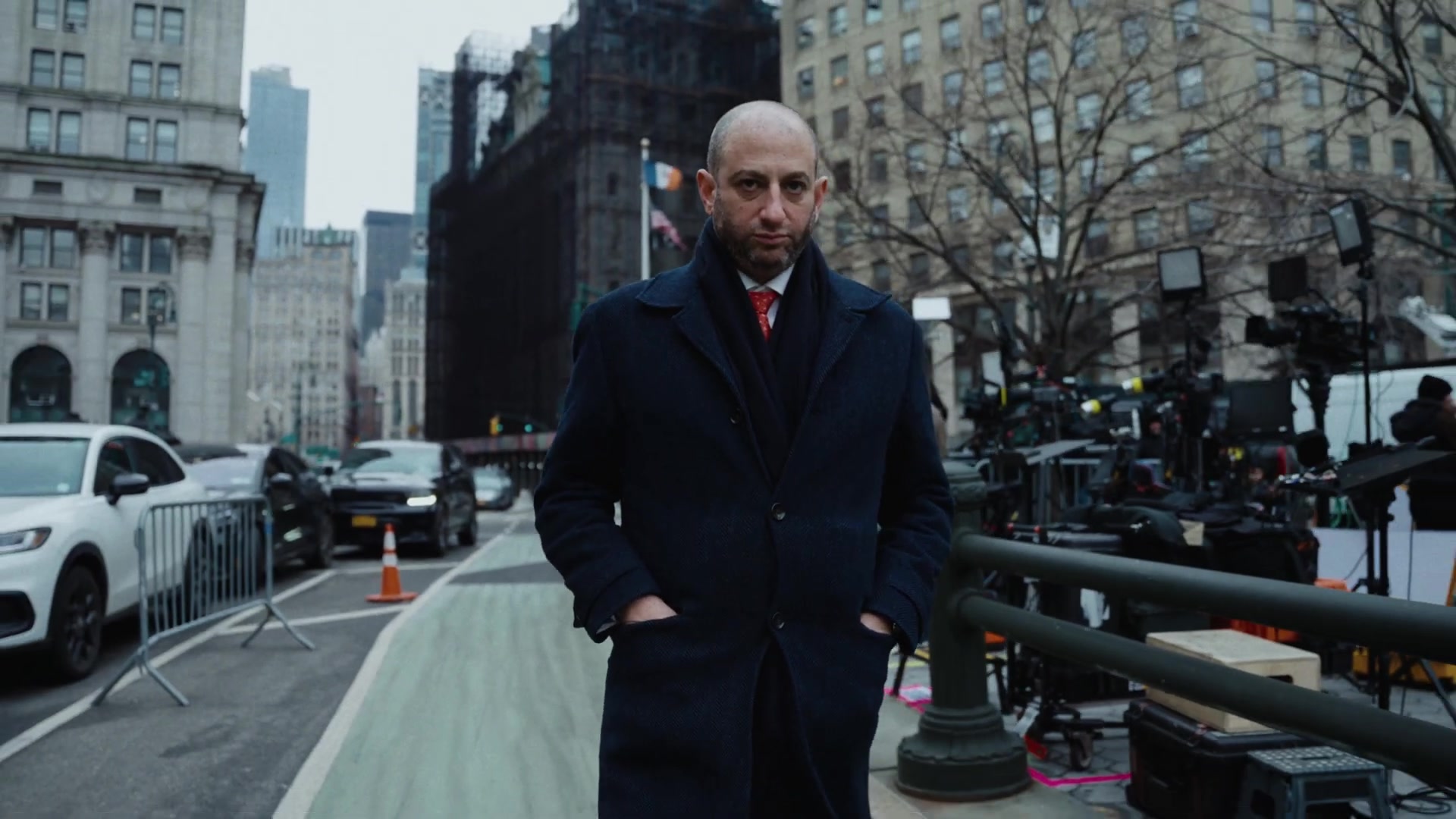
Defense Team Spotlight
Todd Spodek
Lead Attorney & Founder
Featured on Netflix’s “Inventing Anna,” Todd brings decades of experience defending clients in complex criminal cases.
Multi-State Bar
Federal Courts
US Supreme Court
Meet the Full Team →
The Quantity Game: How Prosecutors Calculate Your Exposure
Heres something that trips up almost everyone who faces federal drug charges: the quantity that determines your sentence isnt necessarily the quantity they found on you. In federal court, you're sentenced based on "relevant conduct." That means all the drugs from the entire conspiracy that you reasonably knew about. If the government can prove you were part of an operation that moved 10 kilograms over six months, you could face the 10-year minimum even if they only caught you with 500 grams. This is were conspiracy law becomes terrifying. Prosecutors dont have to prove you touched every gram. They dont have to prove you knew the exact weight. They just have to prove you were part of the operation and knew, roughly, what scale it operated at. Think about how this plays out. Someone you worked with gets arrested. They cooperate. They tell prosecutors about the whole operation—including your role. Suddenly your facing sentencing based on quantities you never saw, never touched, never even knew the exact amount of. The numbers grow fast when conspiracy is involved. And prosecutors love conspiracy charges because they're easier to prove than direct possession.What This Actually Means for You
Look. Your reading this because your scared. Someone you care about is facing federal cocaine trafficking charges and you want to know how bad it could get. The honest answer is: it depends. It depends on the quantity—but also on how that quantity gets calculated. It depends on your criminal history—but also on how points get assigned. It depends on cooperation—but also on timing, on what you say, on who you say it to. The one thing I can tell you with certainty is that the "mandatory minimum" is less mandatory than the name suggests. The USSC data proves this. Average sentences below guideline minimums. Relief rates approaching 40%. The system has escape routes. But those escape routes close fast. They close when you talk to investigators without a lawyer. They close when you try to minimize your role and get caught lying. They close when you wait to get representation. Spodek Law Group handles federal drug trafficking cases nationwide. If your facing cocaine trafficking charges—or if you think charges might be coming—call us at 212-300-5196. The consultation is free. And the first 48 hours matter more than anything else. Don't let the "mandatory minimum" become your reality because you didn't know the rules.Frequently Asked Questions
No. You have the right to remain silent and the right to an attorney. Invoke both rights immediately and contact Spodek Law Group.
Every case is different. We offer free initial consultations to evaluate your case and discuss our fee structure.
An arraignment is your first court appearance where charges are formally read. You enter a plea and bail may be set. Having an attorney present is critical.
Facing Criminal Charges And Have Questions? We Can Help, Tell Us What Happened.