
What Is the Statute of Limitations for PPP Loan Fraud?
Welcome to Spodek Law Group. Our goal is to provide you with the honest information you need to understand your situation and make intelligent decisions about your future. If you received a PPP loan during the pandemic and you're wondering how long the government has to come after you, you're not alone. This is one of the most common questions we hear from people who are starting to realize that the PPP program created a paper trail that isn't going away. Here's what most people don't understand: Congress didn't just extend the statute of limitations for PPP fraud from 5 years to 10 years. They specifically closed a loophole that would have let some fraudsters escape while others faced charges for identical conduct. The message was clear—they intend to prosecute everyone, and they gave themselves until 2031 to do it. If you got a PPP loan in 2020 and the application wasn't completely accurate, you're not safe. You're just not yet charged. That's the reality you need to understand before reading any further. The clock isn't running out. It's barely started.The 10-Year Clock Is Already Running
Most people assume the statute of limitations for PPP fraud is 5 years. Thats what it was for wire fraud, which is one of the main charges prosecutors use in these cases. So if you got your loan in April 2020, you might think your home free by April 2025. You would be wrong. In August 2022, President Biden signed two laws that changed everything. The PPP and Bank Fraud Enforcement Harmonization Act and the COVID-19 EIDL Fraud Statute of Limitations Act both extended the governments window to prosecute PPP fraud to 10 years. That means if you recieved a PPP loan in 2020, federal prosecutors have until 2030 to bring charges. If you got one in 2021, there looking at 2031. Heres the part that catches people off guard: the law applies retroactively. Defendants have challenged this, arguing its unfair to change the rules after the conduct occured. Those challenges have failed. Courts have consistently held that as long as the original limitations period hasnt expired, Congress can extend it. You dont have a "vested right" in the statute running out until it actualy expires. So if you were counting down the days until 2025, hoping the government would miss its window—stop counting. The window is now 2030 or 2031 depending on when you recieved your loan.Why Congress Closed the Fintech Escape Hatch
OK so heres something that almost nobody talks about, and it explains why Congress bothered to pass these laws in the first place. Bank fraud—the charge that applies when you defraud a traditional bank—already had a 10-year statute of limitations under 18 U.S.C. § 3293. If you got your PPP loan from Chase or Wells Fargo or Bank of America, prosecutors always had 10 years to charge you with bank fraud. But a huge number of PPP loans didnt come from traditional banks. They came from fintech lenders like Kabbage, BlueAcorn, Womply, and others. And becuase those arent "financial institutions" under the technical legal definition, the bank fraud statute didnt apply. Prosecutors had to charge wire fraud instead—which only had a 5-year statute. Think about what that means. Two people could commit the exact same fraud. Same false statements, same inflated payroll numbers, same misuse of funds. But if one person randomly applied through Chase and the other applied through BlueAcorn, they faced completly different exposure windows. The Chase borrower could be charged through 2030. The BlueAcorn borrower would be safe by 2025. Congress looked at that situation and called it arbitrary. And they were right. Fraud is fraud. The choice of lender was basicly random for most borrowers—whoever got them approved fastest. Why should that random choice determine whether you go to prison? So Congress harmonized the statutes. Now every PPP fraud case has a 10-year limitation period, regardless of which lender processed the application. Heres the message that sends: they intend to catch everyone. They werent going to let a technical loophole create a class of people who committed fraud but escaped prosecution becuase they happened to pick a fintech lender. If you thought the fintech route made you safer, it dosent anymore.The Backlog Problem: 54,000 Loans Already Flagged
⚖ Legal Pulse: Key Statistics
15,000+
Federal Cases Filed Annually
90%
Plea Before Trial
The $21,000 Lesson: Amount Doesn't Protect You
Many people assume that if there PPP loan was relatively small, prosecutors wont bother. Why would the federal government spend resources prosecuting a $20,000 or $50,000 fraud when theres billions of dollars stolen in larger schemes? Let that sink in for a moment, because this assumption has destroyed people. In March 2024, a Cincinnati man named Kelton McClarrin was sentenced to 18 months in federal prison for PPP fraud. The amount? Just under $21,000. He used the money for personal expenditures—jail commissary services, CashApp transfers, Grubhub, DoorDash, Facebook purchases, hotels. Nothing sophisticated. Nothing that required forensic accountants to uncover. Just obvious misuse of funds that were supposed to go toward payroll. Eighteen months in federal prison. For less than the price of a new car. The amount of your PPP loan does not determine whether they prosecute you. The data matching algorithms that flag applications for fraud dont distinguish between big fraud and small fraud. A false statement is a false statement. A misuse of funds is a misuse of funds. The governments position is that if you committed fraud, you should face consequences—regardless of whether you stole $21,000 or $21 million. At Spodek Law Group, weve seen this pattern play out repeatedly. People who assume there small loan keeps them safe are often the most shocked when they recieve that first phone call from an SBA-OIG agent.What "Waiting It Out" Actually Costs You
Theres a temptation to do nothing. To keep your head down, hope nobody notices, and let the years pass. Maybe they wont get to your file. Maybe they have bigger fish to fry. Maybe by 2030 theyll have moved on. This is the worst strategy you could possibly choose. Todd Spodek has represented clients who waited too long—and clients who acted early. The diffrence in outcomes is stark. When you wait, several things happen that hurt your case: First, the governments investigation continues without your input. Theyre interviewing your employees, your accountant, your bank. Theyre building a case based entirely on there perspective. You have no opportunity to explain, provide context, or correct misunderstandings. Second, you lose the cooperation window. Federal prosecutors give substancial credit to defendants who come forward early, admit wrongdoing, and cooperate with the investigation. That credit evaporates once youve been charged. If you wait until you recieve a target letter, youve lost the most powerful card you could have played. Third, the stress destroys you. We see this constantly. Years of wondering whether today is the day the FBI shows up. Years of checking your mailbox with dread. Years of your spouse asking "have you heard anything?" That psychological toll is immense—and its completly unnecessary if you address the situation proactively. Fourth, witnesses memories fade and documents disappear. Maybe you had a legitimate explanation for something that looks questionable on paper. Maybe there was a miscommunication with your accountant. Maybe the payroll numbers were off becuase of a software glitch. By the time the government contacts you five years later, your accountant has moved on, your records are incomplete, and your own memory is hazy. You cant effectively defend yourself becuase the evidence that would help you is gone. Fifth, you miss the window for volunary disclosure. Some defendants have successfuly reduced there exposure by coming forward before they were caught—returning funds, paying restitution, cooperating with investigators. The governments willingness to work with you drops dramaticaly once theyve invested years in building a case. Early cooperation is rewarded. Late cooperation looks like desperation. Heres the thing about "waiting it out": youre not actually waiting for the problem to go away. Youre waiting for the government to finish building a case against you. Every month that passes, there case gets stronger. Every month that passes, your options get fewer. And every month that passes, the window for favorable resolution shrinks.The 97.4% Reality: Why Fighting Usually Fails
Some people hear the statistics about PPP fraud prosecutions and think "I'll take my chances at trial. Maybe I can beat this." Look at the numbers. IRS Criminal Investigation reports a 97.4% conviction rate in prosecuted COVID fraud cases. Of the 2,532 defendants found guilty as of December 2024, 2,415 entered guilty pleas and 117 were convicted at trial. That 117 number should terrify anyone considering trial. Out of thousands of defendants, barely over a hundred managed to win at trial. The rest—the overwhelming majority—either pled guilty or were convicted by a jury. And heres what happens when you go to trial and lose: you face substantially harsher sentencing. The "trial tax" is real. Prosecutors and judges treat defendants who accept responsibility differently than defendants who put the government through the expense and effort of a trial. If you lose at trial, your almost certainly doing more time than if you had negotiated a plea. At Spodek Law Group, we've seen how the federal system handles PPP cases from investigation through sentencing. The leverage shifts dramatically once charges are filed. Before charges, you have options. After charges, your options narrow to pleading guilty or going to trial with a 2.6% historical success rate. This is why early intervention matters so much. The earlier you engage with the situation, the more leverage you have to shape the outcome. And lets be clear about what "outcome" means in federal court. According to the Sentencing Commission data, 81% of PPP fraud defendants recieve some form of incarceration. The average sentence is around 24 months—but thats misleading becuase it includes people who cooperated early and recieved substancial departures. Defendants who went to trial or who showed up late with there cooperation typically got much higher sentences. Were talking 40, 60, even 80 months for the stubborn ones. Federal prison isnt county jail. Theres no early release for good behavior. You serve 85% of whatever sentence you get, minimum. Thats the math people need to understand before they decide to "wait and see."
Signs Your PPP Loan Is Under Review
Defense Team Spotlight
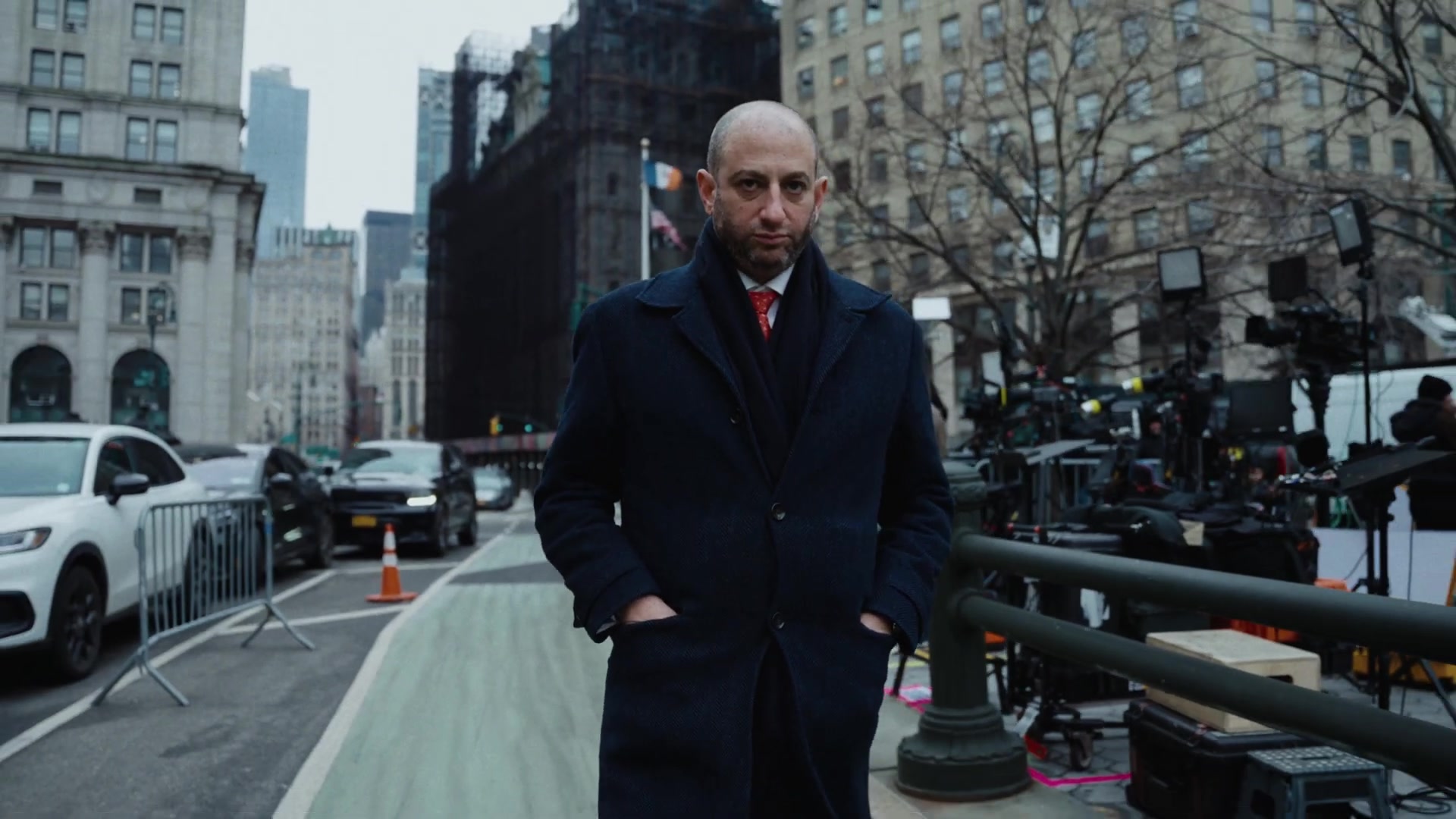
Todd Spodek
Lead Attorney & Founder
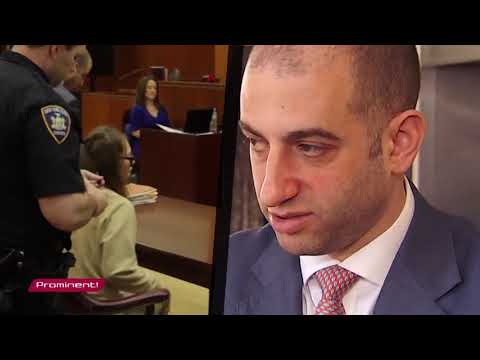
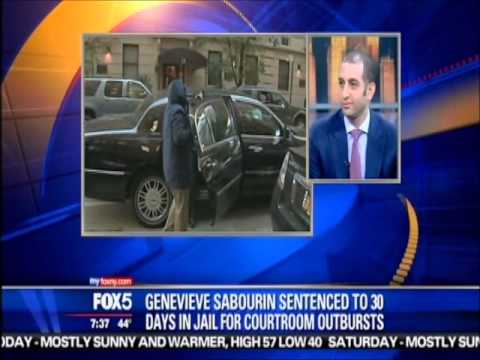
Featured on Netflix’s “Inventing Anna,” Todd brings decades of experience defending clients in complex criminal cases.
Multi-State Bar
Federal Courts
US Supreme Court
Meet the Full Team →
What To Do Right Now
Your situation falls into one of three categories. Your next steps depend on which one applies to you. Category 1: You recieved a PPP loan and your application was completely accurate. Keep your records for at least 10 years. Lenders are now required to retain PPP records for 10 years to match the extended statute of limitations. You should do the same. If the government ever has questions, you want to be able to prove everything was legitimate. Category 2: Your application had some inaccuracies, but youve never been contacted by the government. This is where proactive consultation becomes critical. An experienced federal defense attorney can evaluate your exposure, explain your options, and help you develop a strategy. In some cases, self-disclosure through the right channels can dramatically reduce your exposure. In other cases, preparation for potential contact is the better approach. But doing nothing—just waiting—is almost never the right answer. Category 3: Youve been contacted by federal agents or recieved some form of official notice about your PPP loan. Stop reading this article and call an attorney immediately. Do not talk to investigators. Do not provide documents. Do not try to "explain" or "clear things up." Everything you say can and will be used against you. Your only words should be: "I'd like to speak with an attorney before answering any questions." Todd Spodek and the team at Spodek Law Group have guided clients through all three categories. The outcomes vary enormously based on when people take action and what strategy they employ. If your PPP loan application wasnt 100% accurate, call us at 212-300-5196 before the government calls you. The 10-year clock is running. The governments backlog is being processed. And the window to shape your outcome is closing. The question isnt whether the government will eventually review your loan. The question is what position youll be in when they do.Frequently Asked Questions
No. You have the right to remain silent and the right to an attorney. Invoke both rights immediately and contact Spodek Law Group.
Every case is different. We offer free initial consultations to evaluate your case and discuss our fee structure.
An arraignment is your first court appearance where charges are formally read. You enter a plea and bail may be set. Having an attorney present is critical.
Facing Criminal Charges And Have Questions? We Can Help, Tell Us What Happened.