The Forgiveness Trap: Why Your Clock Started Later Than You Think
Heres the thing most people completely misunderstand about how the statute of limitations works for PPP fraud. When you recieved your PPP loan in 2020, you signed certifications. You made representations about your business, your employees, your payroll. If those were false, thats when your fraud began. But fraud dosent stop there. Its a continuing offense under federal law, which means every subsequent false statement restarts the clock. Then came the forgiveness phase. Maybe six months later, maybe a year later, maybe even in 2022. You filed that forgiveness application becuase you wanted the loan converted to a grant. You wanted the chapter closed. You wanted to move on with your life. You probly thought getting forgiveness would end your legal exposure. The exact opposite is true. That forgiveness application required new certifications. You had to certify that you used the funds apropriately. That you maintained payroll at the required levels. That you followed all the program rules. Each of those certifications was a statement under penalty of perjury—a federal crime if false. If your original loan application was fraudulent, your forgiveness certifications were necessaraly false too. You certified you used funds properly when you hadn't. You certified you maintained payroll when maybe you didnt have employees to begin with. You certified compliance when there was nothing legitimate to comply with. Your forgiveness application—not your loan application—likely determines when your exposure ends. Think about the timeline. If you got your loan in April 2020 but didnt file for forgiveness until September 2021, your statute of limitations runs from September 2021. Thats September 2031—not April 2030. You just added seventeen months to your exposure without realizing it. And heres the irony that should keep you up at night: the harder you worked to get forgiveness, the longer the government has to prosecute you. Diligent borrowers who filed forgiveness quickly after there funds ran out gave prosecutors MORE time, not less. The thing designed to close the chapter actually extended it.The Last Act Rule: Federal Fraud Law 101
OK so understanding why this works requires knowing something about how federal fraud statutes actually operate. Federal fraud statutes operate on whats called the "last act" rule. The statute of limitations dosent begin when you commit your first fraudulent act. It begins when you commit your last one. This exists because fraud is considered a continuing offense—each false statement, each use of fraudulent funds, each false certification restarts the clock. The system is designed so you can never outrun fraud by committing it early and then waiting. The governments position is straightforward: your fraud wasnt complete when you submitted your application. It wasnt complete when you recieved the funds. It wasnt complete when you spent the money. Your fraud was complete when you submitted that final forgiveness application with its false certifications. Everything before that was preperation. The forgiveness application was the culmination. The DOJ Criminal Resource Manual explicitely addresses this. For fraud schemes involving multiple acts, the statute runs from the last overt act in furtherence of the fraud. Your forgiveness application was definitely an overt act. It was in furtherence of the fraud. And for most people, it was there last one. You cant calculate your safe date with certainty unless you know exactly when your last fraudulent act occured. Most people assume it was the loan application. But the government will argue it was the forgiveness application—and theyve got a strong argument. The certifications in that forgiveness application are seperately chargeable offenses, which gives prosecutors flexibility in determining the relevant date. At Spodek Law Group, weve seen clients who thought they were months away from safety only to discover there exposure extends years into the future. The forgiveness trap catches almost everyone who dosent understand how the last act rule works. Its not that people are stupid—its that this rule is counterintuitive. You would naturally assume the clock starts when you first do something wrong. The law says otherwise.Three Clocks You Might Be Running: Loan, Forgiveness, Conspiracy
Let that sink in for a moment. The situation is more complicated then most people realize. You might not be running one clock. You might be running three separate clocks simultaneously. Clock One: The Original Loan If you never filed for forgiveness—if you just repaid the loan in full—your clock probly started from your last use of fraudulent funds or your last false statement to the lender. That might be sometime in 2020. But almost nobody took this path. The whole point of PPP was forgiveness. Repaying a forgiveable loan is like leaving money on the table. Clock Two: The Forgiveness Application This is were most people are. You filed for forgiveness sometime between late 2020 and 2022. Your clock starts from that forgiveness date, not your loan date. If you filed in March 2022, your looking at March 2032 exposure. Thats still aproximately seven years away from now. Clock Three: The Conspiracy Clock If you conspired with anyone, their actions after your loan extend your statute of limitations. This is the one that absolutely destroys people who thought they acted alone. You dont have to think of yourself as a conspirator for the government to treat you as one. You dont have to have made a formal agreement. If you worked with a preparer who submitted multiple fraudulent applications, you might legaly be part of a conspiracy. If a friend referred you to someone who "helped" with applications, you might be part of a conspiracy. If a lender employee pushed through questionable applications, everyone they helped might be connected in the governments eyes. In conspiracy cases, the statute of limitations runs from the LAST overt act by ANY conspirator. Not your last act. Any conspirators last act. If someone you worked with submitted there own fraudulent forgiveness application in 2022, your exposure might extend to 2032—based on there actions, not yours. Think about the Nieto case. He created 87 fake payroll checks for forgiveness applications. Everyone whose application he touched is potentialy connected. There clocks dont run from there individual applications. There clocks run from his last act in the conspiracy. One persons actions extended dozens of peoples exposure.What Counts as a "Fraudulent Act"?
⚖ Legal Pulse: Key Statistics
15,000+
Federal Cases Filed Annually
90%
Plea Before Trial
The Conspiracy Multiplier: When Other People's Actions Extend Your Clock
Heres were peoples exposure really explodes: the conspiracy problem deserves detailed attention becuase of how dramatically it can extend your timeline. The federal conspiracy statute—18 U.S.C. § 371—has its own rules about when the clock starts. Those rules are extremely harsh for defendants who didnt act alone. In a conspiracy, the statute of limitations runs from the LAST overt act by ANY member of the conspiracy. Not the last act in furtherance of YOUR fraud specificaly. The last act in furtherance of the COLLECTIVE fraud. If your part of a conspiracy that continued operating after you got your money, your clock kept running without your knowledge or consent. Consider a common scenario. You applied for your PPP loan in May 2020 through a preparer who was running a scheme. You got your money. You filed for forgiveness in 2021. You thought you were completly done with the whole thing. But that preparer kept operating. They submitted more applications in 2021. They helped more people file fraudulent forgiveness applications in 2022. Every one of those acts extended the conspiracys exposure—and YOUR exposure as a member of that conspiracy. You werent even involved anymore, but your clock kept running. You dont control when your clock expires if you conspired with others. Someone elses actions in 2022 extend your exposure to 2032. And you might not even know those actions occured until prosecutors show up with indictments. The Kabbage settlement ilustrates this perfectly. The company paid $120 million to resolve claims that it falsely certified PPP loans for forgiveness. Everyone who got a fraudulently processed loan through Kabbage is potentialy connected to that conspiracy. The fraudulent activity continued long after individual borrowers thought there involvement had ended. The question you should be asking yourself is sobering: do you know for certain that nobody you worked with committed any acts related to PPP fraud after your involvement ended? If you cant answer that with complete confidence, you cant calculate your exposure with confidence either. The uncertainty itself is a form of risk.Calculating Your Real Exposure Date
OK so how do you actually figure out when your exposure ends? The honest answer is that you probably cant—not with complete certainty. But the analysis is still worthwhile becuase it helps you understand the range of possibilities. Step One: Identify Your Last Personal Act When did you personaly last do something that could be characterized as part of the fraud? This might include:- Your forgiveness application date
- Your last use of fraudulent funds
- Your last certification or representation to the lender
- Your last statement to anyone about the loan

The 2032 Problem: Second-Draw Loans and Late Forgiveness
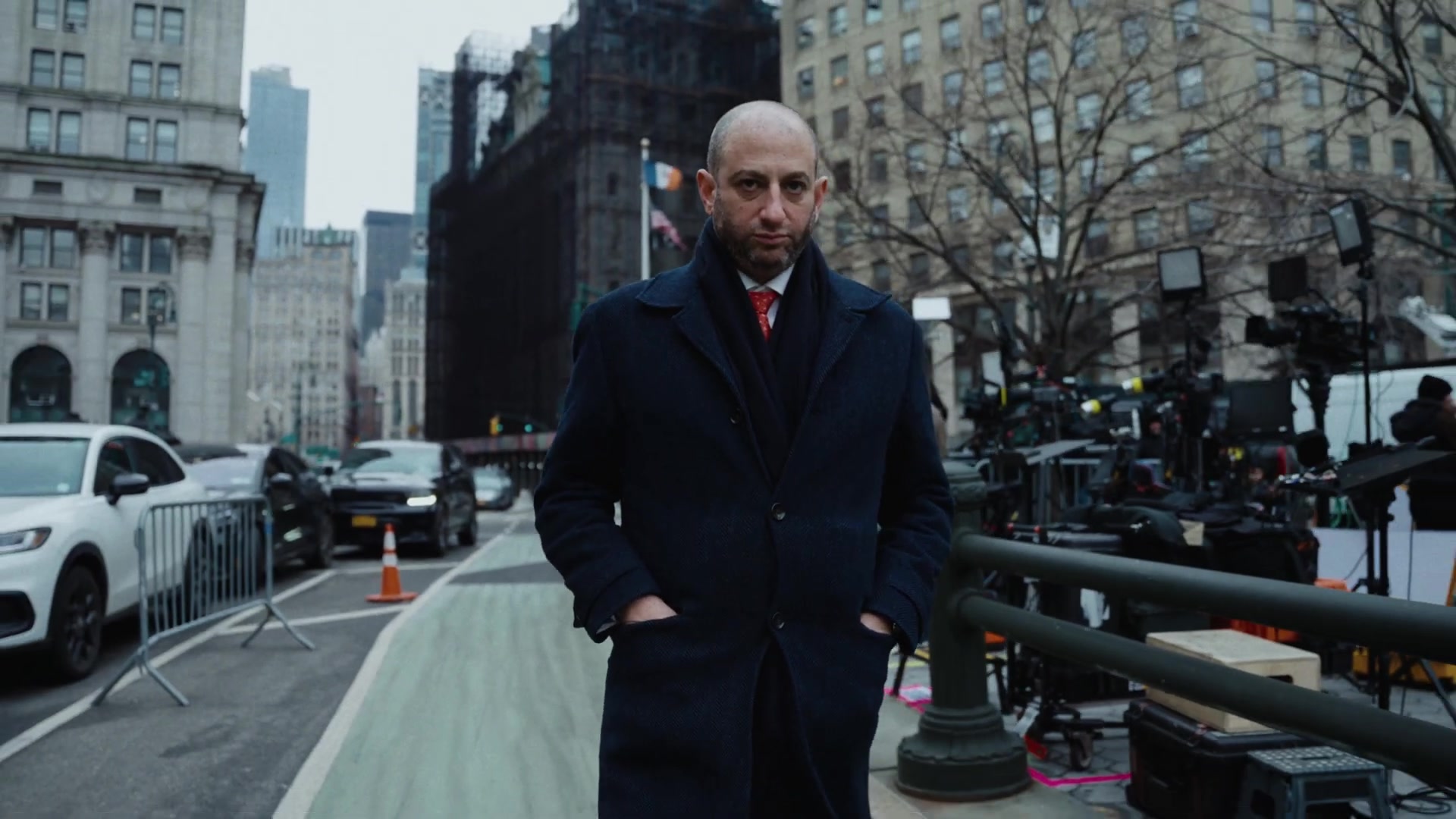
Defense Team Spotlight
Todd Spodek
Lead Attorney & Founder
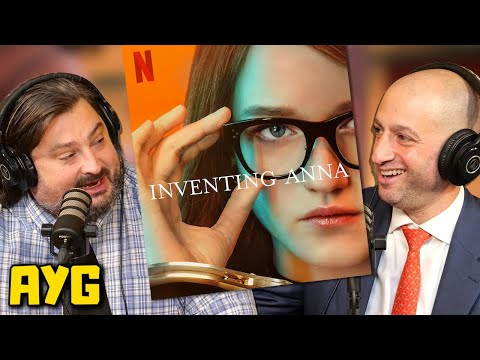
Featured on Netflix’s “Inventing Anna,” Todd brings decades of experience defending clients in complex criminal cases.
Multi-State Bar
Federal Courts
US Supreme Court
Meet the Full Team →
- First-draw loan: April 2020
- First-draw forgiveness: December 2020
- Second-draw loan: February 2021
- Second-draw forgiveness: March 2022
Frequently Asked Questions
No. You have the right to remain silent and the right to an attorney. Invoke both rights immediately and contact Spodek Law Group.
Every case is different. We offer free initial consultations to evaluate your case and discuss our fee structure.
An arraignment is your first court appearance where charges are formally read. You enter a plea and bail may be set. Having an attorney present is critical.
Facing Criminal Charges And Have Questions? We Can Help, Tell Us What Happened.