
The 421-0 Vote That Sealed Your Fate
On June 8, 2022, the House of Representatives voted on H.R. 7352—the PPP and Bank Fraud Enforcement Harmonization Act. The result was 421 yeas, 0 nays, and 6 not voting. Thats not a typo. Nobody voted against it. Think about what that means in our current political climate. Congress cant agree on basic funding bills. They cant agree on infrastructure. They cant agree on anything that might give the other party a win. But when it came to extending the governments ability to prosecute PPP fraud, both parties lined up together. Heres the thing about that vote: it wasnt really about you. It wasnt about individual fraudsters or specific cases. It was about political survival. In an election year, nobody could afford to be on record protecting people who stole pandemic relief money. The optics were impossible. Chairwoman Nydia M. Velazquez, a Democrat from New York, introduced the bill. Ranking Member Blaine Luetkemeyer, a Republican from Missouri, co-sponsored it. When Democrats and Republicans agree on legislation, theres usualy one of two explanations: either its completely non-controversial, or the political cost of opposing it is to high. This was the second kind. The message of 421-0 is simple: both parties want you prosecuted—theres no political rescue coming. Nobody is going to campaign on "give PPP fraudsters more time." Nobody is going to make this a partisan wedge issue. The clock extension happened with complete bipartisan agreement, and thats not changing.The Two Laws Signed the Same Day
Before we get into why Congress acted, understand what they actualy did. On August 5, 2022, President Biden signed two separate bills into law. The first was H.R. 7352—the PPP and Bank Fraud Enforcement Harmonization Act of 2022. This extended the statute of limitations for PPP fraud specificaly. The second was H.R. 7334—the COVID-19 EIDL Fraud Statute of Limitations Act of 2022. This did the same thing for Economic Injury Disaster Loans. Both laws extended the governments window to 10 years for both criminal charges and civil enforcement actions under the False Claims Act. And both passed with overwhelming bipartisan support. Heres what that dual-law structure tells you: Congress wasnt just concerned about PPP. They were concerned about the entire pandemic relief apparatus. EIDL loans had the same problems—fraud, fintech lenders, overwhelmed investigators, insufficient time. The government wanted a comprehensive solution, and they got one. The laws apply to any "criminal charge or civil enforcement action alleging that a borrower engaged in fraud." Thats broad language. It covers wire fraud, bank fraud, false statements, conspiracy, and False Claims Act liability. There is no charge you could face where the statute dosent apply. And both laws took effect immediately. No phase-in period. No grace period. The moment President Biden signed them, your exposure extended from 5 years to 10. The speed of implementation tells you something about the governments priorities. Most legislation has delayed effective dates to give people time to adjust. These laws didnt. The government wanted immediate enforcement capability, and thats exactly what they got.The Fintech Loophole Congress Had to Kill
OK so heres where it gets interesting. The 10-year extension wasnt pulled out of thin air. It was designed to match an existing statute—the bank fraud statute at 18 U.S.C. § 1344, which already had a 10-year limitations period. But heres the problem prosecutors faced: millions of PPP loans didnt go through traditional banks. They went through fintech lenders like Kabbage, BlueAcorn, Womply, and others. And becuase those companies arent "financial institutions" under the technical legal definition, the bank fraud statute didnt apply to them. Think about what that created. Two people could commit the exact same fraud. Same lies on the application. Same fabricated employee count. Same misuse of funds. But if one person randomly chose Chase as there lender and another chose BlueAcorn, they faced completly diffrent prosecution windows. The Chase borrower could be prosecuted for bank fraud with a 10-year statute. The BlueAcorn borrower could only be prosecuted for wire fraud with a 5-year statute. Same crime, diffrent clock, based entirely on which website loaded faster when you were filling out your application. Congress looked at that situation and called it what it was: absurd. Fraud is fraud. The choice of lender was basicly random for most borrowers—whoever got them approved fastest, whoever had the simplest application process. Why should that random choice determine wheather you go to prison? Heres the part that should concern you: the fintech loophole wasnt intentional. It was an accident created by decades-old bank fraud legislation that never anticipated companies like Kabbage would exist. The law defined "financial institution" in a way that made sense in 1984 but created a gap in 2020. Congress had to fix there own legislative accident. And they did it unanimously becuase the alternative—explaining to the public why some fraudsters escaped based on lender choice—would have been politicaly devastating.The $64 Billion Embarrassment
⚖ Legal Pulse: Key Statistics
15,000+
Federal Cases Filed Annually
90%
Plea Before Trial
Why Retroactive Doesnt Mean Unconstitutional
If your reading this, you might be thinking: "Wait, they cant change the rules after the game. Thats unconstitutional." Defendants have tried this argument. It has failed every single time. Constitutional challenges to the retroactive extension have failed in every case. Heres why. The Supreme Court addressed a similar issue in Stogner v. California. The Court held that you cant extend a statute of limitations that has already expired. If the clock ran out, Congress cant restart it. That would violate the Constitution's ex post facto clause. But heres the key distinction: Congress passed these laws in August 2022. The earliest PPP loans were in April 2020. Under the original 5-year statute, those loans wouldnt have expired until April 2025—almost three years after the extension was signed. The statute was extended before it expired. Courts have consistantly held that as long as the original limitations period hasnt run, Congress can extend it retroactivly. The reasoning is that you dont have a "vested right" in the expiration of the statute until it actualy expires. Todd Spodek has seen defendants try every version of this argument. Its unfair to change the rules. We relied on the 5-year window. The government should have worked faster. None of these arguments work. The constitutional challenge dosent save you. If your hoping a court will throw out the extension, your going to be disapointed. The law is settled: extending an unexpired statute is constitutional. Period. Some defendants have tried variations on this theme. Maybe the extension violates due process. Maybe it constitutes retroactive punishment. Maybe theres some procedural defect in how Congress passed it. Federal courts have rejected every version of these arguments. The law passed with overwhelming majorities, followed proper procedures, and extends a statute that hadnt yet expired. Thats textbook constitutional. Theirs simply no legal escape hatch here.What the Harmonization Actually Harmonized
The law is called the "PPP and Bank Fraud Enforcement Harmonization Act." But what exactly was being harmonized? On the surface, it harmonized the statute of limitations across lender types. Bank fraud (10 years) now matched what was previously only wire fraud (5 years). But thats not the full picture. What the law really harmonized was the governments prosecutorial capacity. Before the extension, prosecutors had to make triage decisions. With limited time, they prioritized big cases, obvious fraud, and cases that were already far along in investigation. Smaller cases, complex cases, and cases that required more time to build would simply expire. Now prosecutors can be methodical. They can work through the backlog systematicaly without racing the clock. They can build stronger cases becuase there not rushing to beat a deadline. They can pursue small fraud with the same vigor as large fraud. Heres what that means for you: the governments case-building isnt constrained anymore. There not making tough choices about which cases to pursue and which to let go. There pursuing everything. The harmonization didnt just give them more time—it gave them the ability to be comprehensive. And lets be clear about what "comprehensive" looks like. The COVID-19 Fraud Enforcement Task Force has dedicated strike forces in major cities. The FBI, IRS Criminal Investigation, SBA-OIG, and other agencies are coordinating. There sharing data, building cases together, and working through there backlog methodicaly. Consider what happens when agencies share data. The SBA knows your loan details. The IRS knows your reported income. State unemployment offices know your employee headcount. Bank records show where the money actualy went. When these databases talk to each other, inconsistancies become obvious. And theyve been talking to each other since 2020. The cross-referencing happened automaticaly. The human review is whats taking time. This isnt a temporary effort that will wind down. The infrastructure is permanent. The commitment is ongoing. And now they have a 10-year window to use it.The Message Behind the Unanimity
The 421-0 vote tells you something important about how the government views PPP fraud—and by extension, how they view your situation. In a Congress that fights about everything, unanimous agreement on anything is remarkable. It means the political calculation was so one-sided that even members who might privately disagree with aggressive prosecution couldnt afford to vote no. Think about what issues Congress has fought bitterly over in the last few years. Healthcare. Immigration. Funding bills. Supreme Court nominations. Basic operational matters. And yet on PPP fraud enforcement, perfect unanimity. The vote happened in June 2022. That was an election year. Democrats controlled the House. Republicans controlled enough seats to block almost anything they wanted to block. And yet not a single Republican voted against giving prosecutors more time to catch PPP fraudsters. Not a single Democrat hesitated. The political calculation was binary: theres no constituency for protecting people who stole pandemic money. Chairwoman Nydia Velazquez from New York introduced the bill. She's a Democrat representing Brooklyn. Ranking Member Blaine Luetkemeyer from Missouri co-sponsored it. He's a Republican representing rural Missouri. When a Brooklyn Democrat and a rural Missouri Republican agree on legislation in 2022, you know the political pressure was overwhelming. Neither of them could afford to be seen protecting fraudsters. The message is unmistakable: nobody is coming to your rescue. No political faction is going to make "go easier on PPP fraudsters" a platform issue. No candidate is going to campaign on shortening the statute. The 10-year window has complete political backing. At Spodek Law Group, this is one of the hardest truths we have to communicate to clients. Some people hold onto hope that the political winds will shift, that enforcement will wind down, that somebody will decide this isnt worth the resources. The 421-0 vote destroys that hope. Both parties are invested in aggressive prosecution. And the funding reflects it. Congress has appropriated billions specifically for pandemic fraud enforcement. The inspectors general have hired additional staff. U.S. Attorneys offices have assigned dedicated prosecutors. When the government invests this heavily in enforcement infrastructure, they use it.
What This Means for Your Timeline
Defense Team Spotlight
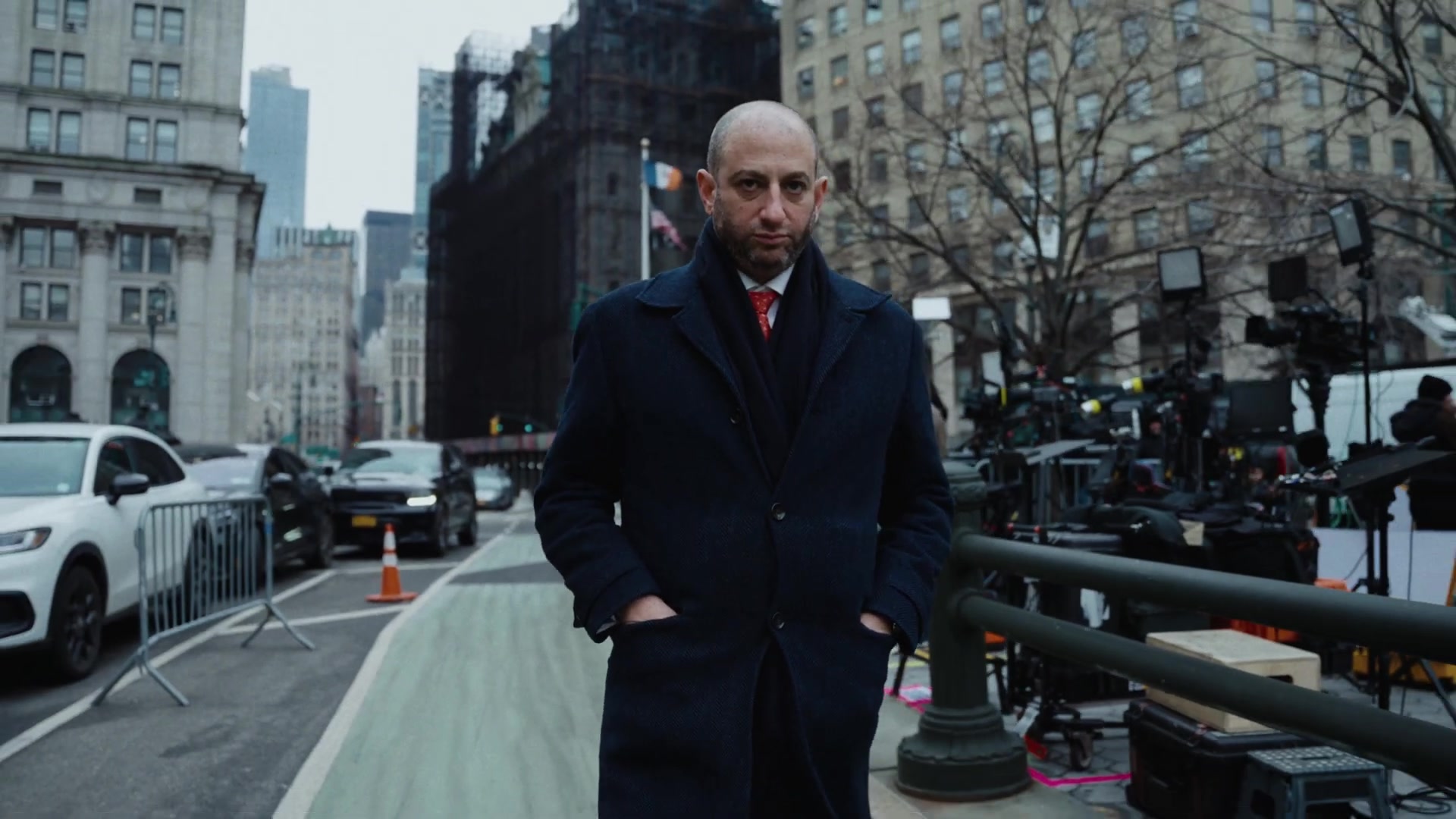
Todd Spodek
Lead Attorney & Founder
Featured on Netflix’s “Inventing Anna,” Todd brings decades of experience defending clients in complex criminal cases.
Multi-State Bar
Federal Courts
US Supreme Court
Meet the Full Team →
Frequently Asked Questions
No. You have the right to remain silent and the right to an attorney. Invoke both rights immediately and contact Spodek Law Group.
Every case is different. We offer free initial consultations to evaluate your case and discuss our fee structure.
An arraignment is your first court appearance where charges are formally read. You enter a plea and bail may be set. Having an attorney present is critical.
Facing Criminal Charges And Have Questions? We Can Help, Tell Us What Happened.