
The Same Crime, Charged Twice
Here's what prosecutors don't want you to understand too clearly. When you submitted that PPP application online, you committed wire fraud - because you used electronic communication in interstate commerce to execute a scheme to defraud. When that same application reached the bank and they deposited money into your account, you committed bank fraud - becuase you obtained funds from a financial institution through false pretenses. Same conduct. Same application. Same click. Two crimes. The government dosent have to choose which statute to charge you under. They can charge both. And they do - in almost every PPP fraud case we've seen. The reason is simple: more charges means more leverage. A two-count indictment is scarier then a one-count indictment. A four-count indictment is even more terrifying. By the time your staring at theoretical maximum sentences of 50, 60, or 100 years, the prosecutors "generous" plea offer of 3-5 years starts looking reasonable. Think about what that means for the psychology of your case. Your sitting in a conference room with your lawyer, reviewing an indictment that lists wire fraud, bank fraud, making false statements, and possibly money laundering. The maximum sentences add up to something like 120 years. Your lawyer explains that nobody actualy gets 120 years for PPP fraud - the guidelines call for something more like 2-4 years depending on the amount. But that number on the indictment - 120 years - is what you see when you close your eyes at night. Thats the number your spouse sees. Thats the number that makes the prosecutors plea offer of 3 years feel like a gift from heaven. This is the leverage trap that nobody explains until its too late.Wire Fraud: How Clicking "Submit" Becomes a Federal Crime
18 USC 1343 is the wire fraud statute. It was originaly written to combat telephone scams - people using interstate phone lines to defraud victims across state lines. That was decades ago. Today, the statute covers every electronic communication you've ever made. The internet didn't exist when this law was written. Neither did email, online banking, or web applications. But courts have interpreted "wire communications" to cover all of it. Heres the thing about wire fraud that catches most people off guard. Every single electronic transmission in furtherence of your scheme is a separate count. You submitted the application online - thats wire fraud. You sent an email to the lender - thats another count of wire fraud. The funds transfered electronically to your account - thats a third count. You sent a follow-up about forgivness - fourth count. The electronic confirmation you received - fifth count. One loan application can generate five, ten, or more wire fraud counts based solely on how many electronic communications were involved. Prosecutors aren't charging you multiple times because you did multiple things wrong. Their charging you multiple times because each count adds leverage. The more counts on the indictment, the more pressure on you to plead guilty. The maximum penalty for wire fraud is 20 years per count. But heres were it gets worse - if the fraud "affects a financial institution," that maximum jumps to 30 years per count. Since PPP loans were processed through SBA-approved lenders, every PPP fraud case affects a financial institution. So your looking at 30 years per count. Five counts means 150 years of theoretical exposure. Nobody actually serves 150 years. But that number isn't about punishment - its about negotiation. When a prosecutor sits across from your defense attorney and says "we're offering 4 years if your client pleads to one count," that offer looks alot different when the alternative is rolling the dice on 150 years. Even if you know the actual sentence would be much lower, the theoretical maximum creates psychological pressure that most defendants cant withstand. The elements of wire fraud seem simple on paper. The government has to prove you devised a scheme to defraud, you had intent to defraud, you used interstate wire communications, and you acted knowingly and willfully. But in PPP fraud cases, these elements are usualy easy for prosecutors to prove. You filled out an application. It was electronic. It crossed state lines. If the information was false, thats a scheme to defraud. If you knew the information was false, thats intent. The wire element is automatic - you cant apply for a PPP loan without using the internet.Bank Fraud: Defrauding a Bank That Didn't Lose Money
18 USC 1344 is the bank fraud statute. Maximum penalty: 30 years imprisonment and a $1 million fine. This statute criminalizes schemes to defraud financial institutions or to obtain money from them through false pretenses. Heres the irony that nobody talks about. The bank didnt actually lose any money on your fraudulent PPP loan. The SBA guarantied the loan. If you defaulted, the government paid the bank back. The bank processed your application, collected there fees, and moved on. They might have even profited from the transaction. The processing fees alone made PPP loans attractive for lenders - they had almost no risk becuase of the government guarantee. But the bank fraud statute dosent require the bank to lose money. It requires that you obtained money from a financial institution through false pretenses. The source of the money, the guarantee structure, the fact that the bank was made whole - none of that matters. You got money from a bank using false statements. Thats bank fraud, regardless of who actualy absorbed the loss. At Spodek Law Group, we see this disconnect constantly. Clients come in thinking they defrauded the government, not a bank. They think bank fraud shouldnt apply because the bank wasnt the victim. But thats not how the statute works. The bank was the intermediary, and that's enough. The statute protects financial institutions from being used as conduits for fraud, even if the financial institution itself dosent suffer any loss. Todd Spodek has explained this to hundreds of clients over the years: the victim concept in federal fraud law dosent work the way most people think. You dont have to actually harm the bank to commit bank fraud against them. You just have to use them as part of your fraudulent scheme. The bank might make money on the transaction. The bank might not even know fraud occurred until years later when investigators come knocking. None of that matters for charging purposes. The two elements that prosecutors focus on are simple: did you obtain money from a bank, and did you use false pretenses to do it? For PPP fraud, both answers are almost always yes. The application went through a bank. The money came from a bank. The certifications on the application were false. Thats enough. Every single PPP fraud case is a bank fraud case - the only question is what else gets stacked on top of it.The Math That Terrifies You Into Pleading Guilty
⚖ Legal Pulse: Key Statistics
15,000+
Federal Cases Filed Annually
90%
Plea Before Trial
- Wire fraud (for electronic submission): 30 years max
- Bank fraud (for obtaining funds from bank): 30 years max
- Making false statements to financial institution: 30 years max
- If you used anyone else's identity information: aggravated identity theft - 2 years mandatory consecutive
Why Courts Allow This: The Blockburger Loophole
You might be thinking: isn't this double jeopardy? Charging the same conduct under two different statutes? Shouldnt there be some constitutional protection against being punished twice for the same act? No. The Supreme Court addressed this decades ago in Blockburger v. United States. The test is simple: if each statute requires proof of an element that the other does not, they're considered different offenses. Charging both dosent violate double jeopardy. The Constitution protects you from being tried twice for the same offense - but wire fraud and bank fraud are legally different offenses, even when they arise from identical conduct. Wire fraud requires proof that you used wire communications in interstate commerce. Bank fraud dosent require that - it just requires that you defrauded a financial institution. Bank fraud requires proof that a financial institution was involved. Wire fraud dosent require that - you can commit wire fraud against anyone. Different elements. Different offenses. Stacking is legal. This is were most people's understanding of the legal system breaks down. They assume there's some fairness principle that prevents the government from charging the same conduct multiple ways. There isn't. Prosecutors have complete discretion to charge under every applicable statute. And in PPP fraud cases, multiple statutes always apply. The same application that constitutes wire fraud also constitutes bank fraud also constitutes false statements. Same facts, multiple crimes. The result is a system where your exposure multiplies not based on how much harm you caused, but based on how many statutes your conduct touched. That multiplied exposure becomes leverage. That leverage becomes pressure. That pressure becomes plea deals that favor the government. The entire structure is designed to encourage guilty pleas and discourage trials. Defense attorneys have challenged this stacking approach for decades. Courts have consistently upheld it. The Blockburger test remains the law of the land. Unless Congress changes the statutes or the Supreme Court changes its interpretation, prosecutors will continue stacking charges from identical conduct. Its legal, its extremely effective, and it isn't going anywhere.Real Cases: What $21,000 and $11 Million Actually Got
Theory is one thing. Lets look at what actualy happened to real defendants who faced stacked wire fraud and bank fraud charges for PPP fraud. Kelton McClarrin of Cincinnati received a $21,000 PPP loan through fraud. Just twenty-one thousand dollars - less then many people's annual car payment. He was charged with wire fraud, pleaded guilty, and received 18 months in federal prison. Thats a year and a half of his life for what some people spend on a vacation. The small dollar amount didnt save him. The federal system treats fraud seriously regardless of the amount. A Nevada man obtained over $11 million through fraudulent PPP applications and laundered the funds through real estate, gambling, and luxury purchases. He received over 15 years in federal prison. Multiple stacked charges - wire fraud, bank fraud, money laundering - contributed to that sentence. The more charges, the more counts, the higher the offense level, the longer the prison term. In Georgia, one defendant faced charges for 15 fraudulent applications totaling $3.39 million. The indictment included conspiracy to commit bank fraud, two counts of bank fraud, two counts of wire fraud, and additional charges. Same pattern: stack the charges, multiply the exposure, increase the pressure. He ended up with a substantial prison sentence after pleading guilty to the stacked charges. California saw two defendants charged with 41 fraudulent PPP applications and 13 fraudulent EIDL applications totaling $15.9 million. Their indictment included conspiracy to commit wire fraud and bank fraud, substantive wire fraud counts, substantive bank fraud counts, conspiracy to commit money laundering, and money laundering counts. The stacking was maximized. Every possible charge that could apply was added to the indictment. Heres the pattern across these cases. Its not that some defendants got charged with wire fraud while others got charged with bank fraud. They all got charged with both. The stacking is standard practise, not the exception. Wether you took $21,000 or $15.9 million, prosecutors use the same playbook: stack as many charges as possible to create maximum leverage for plea negotiations.
What This Means for Your Defense
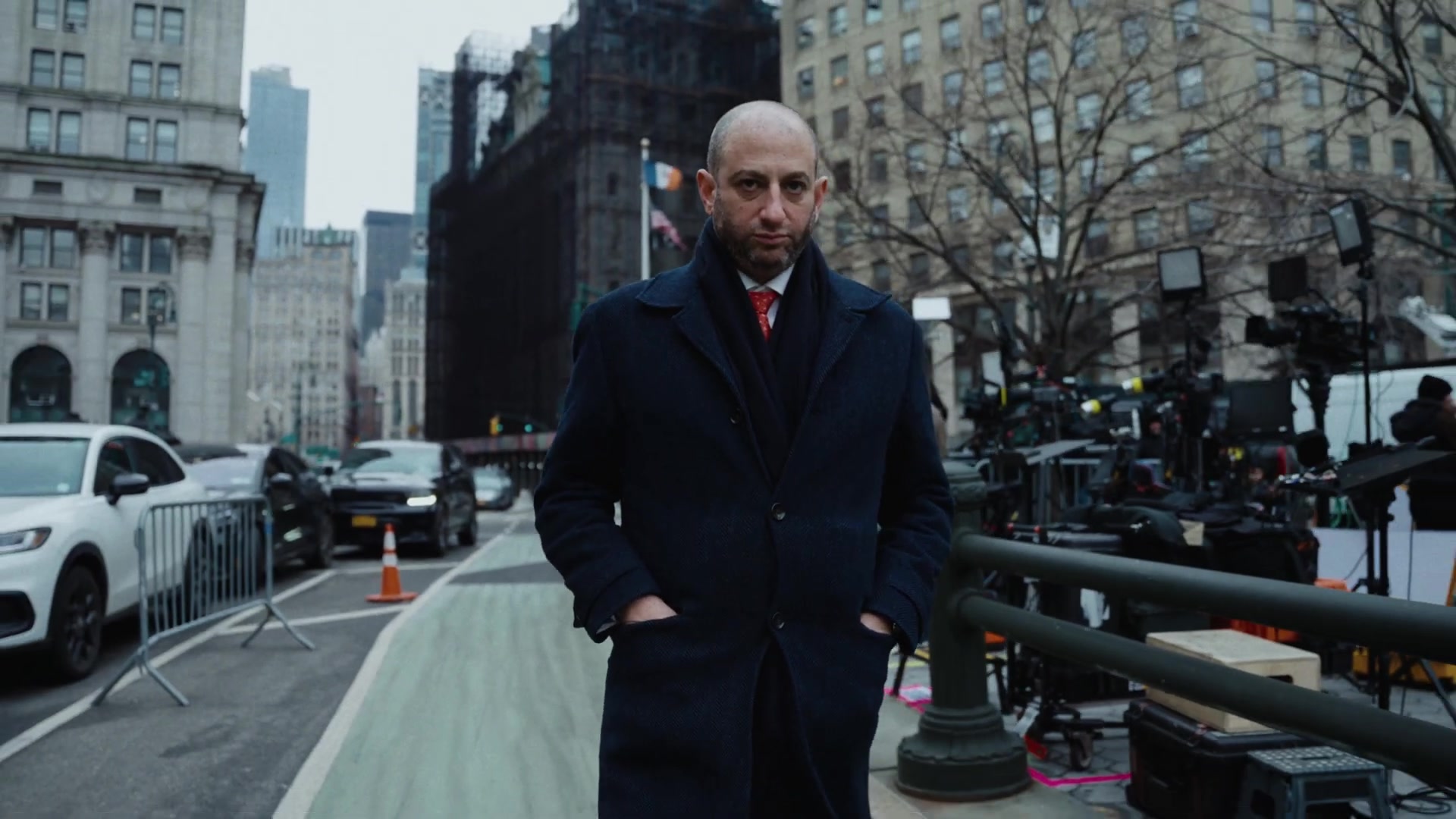
Defense Team Spotlight
Todd Spodek
Lead Attorney & Founder
Featured on Netflix’s “Inventing Anna,” Todd brings decades of experience defending clients in complex criminal cases.
Multi-State Bar
Federal Courts
US Supreme Court
Meet the Full Team →
Frequently Asked Questions
No. You have the right to remain silent and the right to an attorney. Invoke both rights immediately and contact Spodek Law Group.
Every case is different. We offer free initial consultations to evaluate your case and discuss our fee structure.
An arraignment is your first court appearance where charges are formally read. You enter a plea and bail may be set. Having an attorney present is critical.
Facing Criminal Charges And Have Questions? We Can Help, Tell Us What Happened.