
Wisconsin Drug Trafficking Defense Lawyers
Welcome to Spodek Law Group. Our goal is to help people facing drug trafficking charges understand what they're actually up against before it's too late. If you're reading this because you think you might be under investigation, or because agents already showed up at your door, you need to understand something that changes everything about how you should approach this situation. Here's the reality most Wisconsin drug trafficking defense attorneys won't tell you upfront: the decision about whether you face Wisconsin state court or federal court was probably made before you even knew you were being investigated. And that single decision determines everything. Wisconsin state court has no mandatory minimum sentences for drug trafficking. Federal court has locked-in mandatory minimums that can mean decades in prison. The same conduct, the same amount of drugs, the same person. Completely different outcomes based on which prosecutor picked up your file. By the time federal agents knock on your door, they've likely been building the case against you for months or years. The arrest isn't the beginning of the investigation. It's the end. Everything they need to convict you was gathered while you had no idea anything was happening. This is what you're facing. This is why the lawyer you choose matters more than almost any other decision you'll make.The Decision That Changes Everything Happens Before You Know It
Theres something about federal drug prosecution that most people dont realize until their already sitting across from there lawyer trying to understand why the numbers sound so devastating. The federal government doesnt have to take your case. Neither does the state. Prosecutors have whats called discretion, which basicly means they get to choose who goes where. Heres the kicker. When federal prosecutors decide to pick up a drug trafficking case in Wisconsin, they've already determined they can win it. The federal conviction rate exceeds 90 percent. Read that again. More than 9 out of 10 people charged federally with drug crimes are convicted. Prosecutors dont file cases they think they might lose. If your looking at federal charges, they beleive they already have enough to convict you. Wisconsin state prosecutors operate completly differently. State court offers more flexibility, more opportunities for negotiated outcomes, more pathways to treatment instead of incarceration. Most importently, Wisconsin has no mandatory minimum sentences for drug trafficking at the state level. The judge has discretion. The prosecutor has options. Your defense attorney has room to work. But you dont get to pick which court you end up in. That decision gets made in meetings you'll never be invited to, based on factors you'll never fully understand, before you even know your a target.Wisconsin's Hidden Advantage Most Defendants Never Learn About
OK so heres something your going to want to understand because its actually one of the few pieces of genuinely good news in this entire situation. Wisconsin is one of the states that does not impose mandatory minimum sentences for drug offenses at the state level. This isnt some minor technical distinction. This is potentialy the difference between your entire future being salvageable and spending the next 20 years in a federal prison. Under Wisconsin Statute 961.41, drug trafficking penalties vary based on the substance and quantity, but judges retain sentencing discretion. A first offense for manufacturing or delivering certain controlled substances might carry a maximum of 15 years, but the judge can impose significantly less. The judge can order treatment. The judge can structure a sentence that acknowledges your individual circumstances. Federal court? Completly different story. The federal sentencing guidelines and mandatory minimums create situations where judges have there hands tied. Distribute 500 grams of cocaine, your looking at a mandatory minimum of 5 years that no judge can reduce regardless of your background, your cooperation, your potential for rehabilitation. Get caught with fentanyl? The quantities triggering federal mandatory minimums are measured in grams, not pounds. Let that sink in. The exact same conduct could result in probation in state court or a mandatory decade in federal prison. The only variable is which prosecutor took the case. Consider the numbers that actualy trigger federal mandatory minimums. For cocaine, 500 grams triggers a 5-year mandatory minimum. For methamphetamine, 50 grams does the same. For fentanyl, just 40 grams, which is basicly nothing in the context of trafficking amounts, triggers that same 5-year floor. These quantities might sound large to someone whos never been involved in the drug trade, but anyone whos actualy facing these charges knows how quickly quantities add up. In Wisconsin state court, a judge looking at the same quantity could order treatment, probation, or a sentence measured in months rather than years. The same defendant, the same drugs, the same circumstances. Completly different outcomes depending solely on prosecutorial discretion. This is why understanding which court your likely to end up in matters more than almost anything else about your case.What Federal Prosecutors Already Know About You
⚖ Legal Pulse: Key Statistics
15,000+
Federal Cases Filed Annually
90%
Plea Before Trial
The Person Who Gave You Up Is Trying to Save Themselves
This is the uncomfortable truth that nobody wants to hear but everyone needs to understand. The vast majority of federal drug trafficking cases originate from cooperating witnesses. Someone got caught. Someone faced there own mandatory minimum. Someone decided that giving you up was the way to reduce there sentence. That person who gave you up might be someone you trusted completley. They might be a friend. A family member. A buisness associate. Someone who knows your patterns, your contacts, your methods. And they've been providing information to federal investigators, possibley for months, while continuing to interact with you as if nothing was wrong. Heres how the cooperation system works in federal court. When someone gets arrested for drug charges, prosecutors offer them a chance to provide "substantial assistance." In practice, this basicly means giving up other people. The more valueable the information, the bigger the sentence reduction. Someone facing a 20-year mandatory minimum has an extremley powerful incentive to provide whatever information prosecutors want. This is how the system is designed to work, and it works efficently. Think about your own situation. Think about anyone you know whose been arrested recently. Think about whether your name might have come up in there conversation with prosecutors. The federal system is designed to move up the chain, and "up the chain" might mean you.Why 90% of Federal Defendants Dont Win at Trial
When you hear that the federal conviction rate exceeds 90 percent, your first instinct might be to think that cant be right. Surely some people must beat federal charges. Surely having a good lawyer and a legitamate defense must count for somthing. It does count for something. But you need to understand why that number is so high, and its not because the system is rigged against defendants per se. Its because federal prosecutors are extremley selective about which cases they bring. They have virtually unlimited resources compared to any defense. They've been investigating for months or years before filing charges. They dont file charges unless they beleive they have an overwhelming case. At Spodek Law Group, we've seen what happens when federal prosecutors decide to pursue a drug trafficking case. They come with recorded conversations. They come with financial records. They come with testimony from multiple cooperating witnesses. They come with surveillance evidence. By the time you know your being charged, they've assembled what they consider an iron-clad case. This dosent mean fighting is hopeless. It means understanding what your facing is critical. The defense strategies that work in federal court are different from state court. Challenging the investigation, suppressing evidence, questioning the reliability of cooperating witnesses, examining whether your constitutional rights were violated. These are the tools that create leverage even when the numbers seem impossible.What the Safety Valve Actually Requires
You might have heard about something called the "safety valve" that lets certain federal defendants escape mandatory minimum sentences. Politicians talk about it. Defense attorneys mention it. It sounds like a way out. But heres the reality of what the safety valve actualy requires, and why most people dont qualify. Under 18 U.S.C. 3553(f), the safety valve has five seperate criteria you must meet: First, your criminal history cant exceed one criminal history point under the sentencing guidelines. This disqualifies most people immediately. Second, you cant have used violence or credible threats of violence, possessed a firearm or other dangerous weapon in connection with the offense. If there was a gun anywhere near your operation, your probably disqualified. Third, the offense cant have resulted in death or serious bodily injury to any person. Fourth, you cant have been a leader, organizer, manager, or supervisor of others in the offense. If anyone worked for you or with you in any kind of hierarchy, this might disqualify you. Fifth, and this is the part nobody talks about honestly, you have to provide complete and truthful information to the government concerning the offense. In practice, this means cooperating. It means telling them everything you know about everyone involved. It means becoming, in effect, a cooperating witness yourself. The safety valve isnt an escape hatch. Its a structured cooperation requirement dressed up in legal language.The First 48 Hours Determine Everything
Let me tell you what happens in the first 48 hours after a federal drug arrest, and why every decision you make during this period has lasting consequences. You get arrested. Maybe at your home. Maybe at your business. Maybe pulled over in your car. Federal agents have a warrant, or they've decided they have sufficient probable cause for a warrantless arrest. Either way, your now in custody. What happens next depends almost entirely on what you do and what your lawyer does. If you dont have a lawyer, agents are going to want to talk to you. Theyre trained to appear friendly, reasonable, understanding. They might suggest that cooperation now will help you later. They might imply that your clearly a small fish and they just want information about bigger targets. Every word you say can and will be used against you. Every statement you make becomes part of the record. Every attempt to explain yourself, to minimize your involvement, to shift blame, to provide context, becomes evidence. The 90%+ conviction rate exists partly because people talk to federal agents without understanding what theyre doing. At Spodek Law Group, we advise every client the same way. Say nothing. Ask for a lawyer. Exercise your constitutional rights. These rights exist specifically because the system is designed to extract information from people who dont understand how that information will be used against them.
How to Actually Fight Wisconsin Drug Trafficking Charges
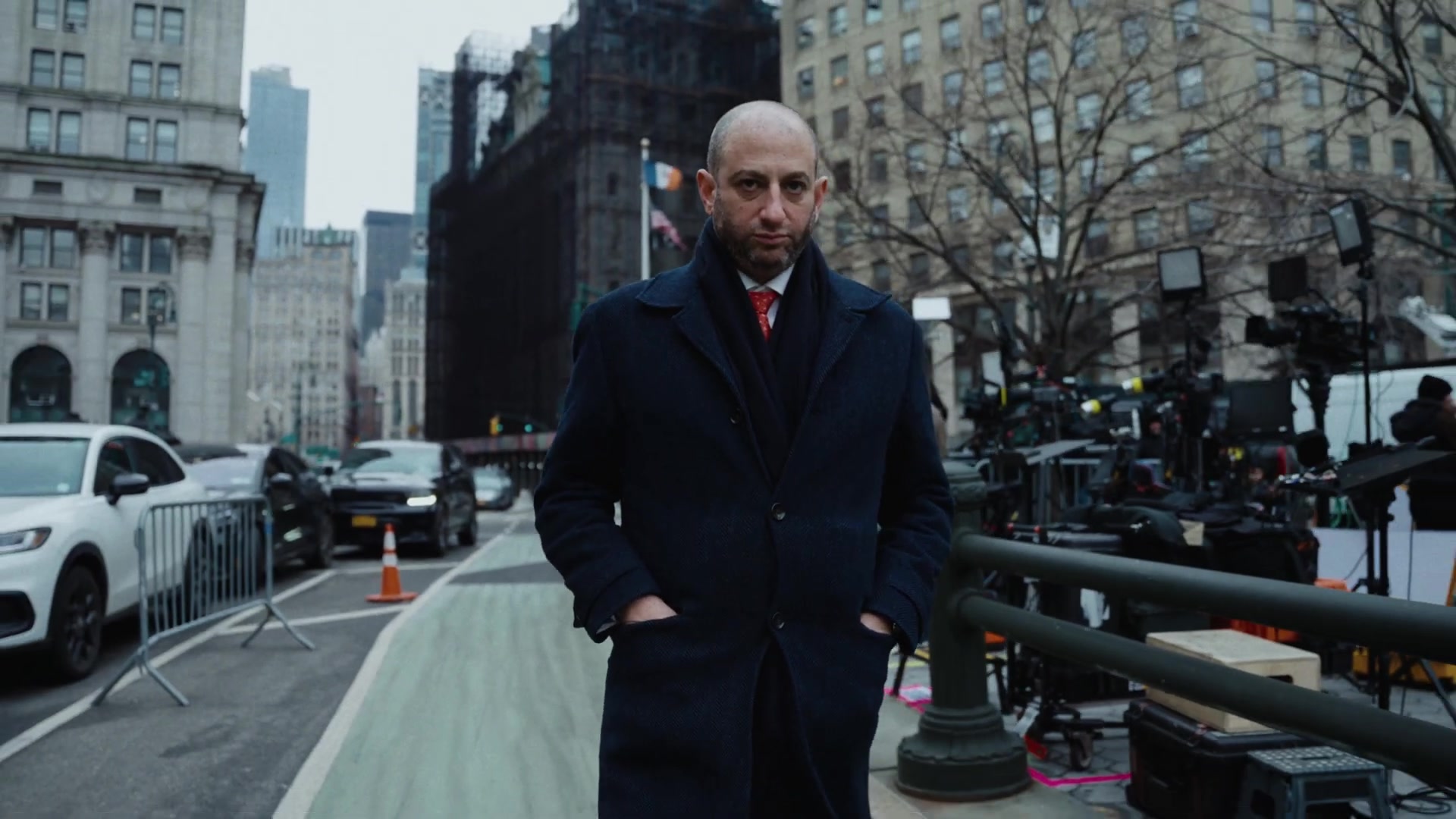
Defense Team Spotlight
Todd Spodek
Lead Attorney & Founder
Featured on Netflix’s “Inventing Anna,” Todd brings decades of experience defending clients in complex criminal cases.
Multi-State Bar
Federal Courts
US Supreme Court
Meet the Full Team →
What You Should Do Right Now
If your reading this article because you think you might be under investigation for drug trafficking in Wisconsin, or because something has already happened, heres what you need to understand about your immediate next steps. Do not talk to federal agents without a lawyer present. It dosent matter how innocent you believe you are. It dosent matter how much you want to explain. It dosent matter what they tell you about cooperation being good for you. Get a lawyer first. Understand which court your in or likely to be in. If your facing state charges, the picture looks different than federal. If theres any possibility federal prosecutors might adopt your case, you need an attorney who understands both systems. Document everything you remember about the investigation, the arrest, the search. Details that seem unimportant now might become critical later when challenging how evidence was obtained. Write down the exact words agents used. Note whether they read you your rights and when. Remember who was present, what questions were asked, what you said in response. This information matters. If your already represented by counsel, make sure your attorney understands the federal system. Many excelent state court criminal defense lawyers have never handled a federal case. The rules are different. The procedures are different. The stakes are often significently higher. You need someone whos handled cases in federal court specificly. Call us at 212-300-5196 for a confidential consultation. The decisions you make in the next few days will shape everything that follows. Understanding the system your facing, the specific challenges of your case, the realistic options available, this is what allows you to make informed decisions instead of panicked ones. Spodek Law Group represents clients facing drug trafficking charges at both the state and federal level. We understand how the system really works. Not the version they tell you about. The actual version where prosecutors decide your fate before you know your a target, where cooperating witnesses build cases against friends, where the first 48 hours determine whether you have options or dont. Your situation is serious. But understanding what your facing is the first step toward facing it effectively.Frequently Asked Questions
No. You have the right to remain silent and the right to an attorney. Invoke both rights immediately and contact Spodek Law Group.
Every case is different. We offer free initial consultations to evaluate your case and discuss our fee structure.
An arraignment is your first court appearance where charges are formally read. You enter a plea and bail may be set. Having an attorney present is critical.
Facing Criminal Charges And Have Questions? We Can Help, Tell Us What Happened.