
Your SNAP Trafficking Complaint Dismissed
Have you been notified about United States Department of Agriculture (USDA) charges involving SNAP benefits, such as trafficking or fraud? If so, then the SNAP Specialist Attorneys at our law firm can help you. The fact is that the number of cases has gone down significantly over the years for these types of violations. Nevertheless, accusations are still being made by the USDA against owners of grocery stores and markets who serve SNAP customers and the penalties for this category of infractions can be rather stiff.SNAP Defined
SNAP is the Supplemental Nutrition Assistance Program that gives benefits recipients the power to utilize a predetermined monetary value in food benefits every month. They can access the benefit funds using a card-based system referred to as Electronic Benefits Transfer or EBT. While they have some similarities, there are special limitations and marked distinctions between the SNAP program EBT cards and traditional debit cards.- SNAP benefits that are made available through the EBT cards are not used for general purchases in the traditional fashion bank debit cards are and
- The cash-back feature that is so useful when shopping with bank debit cards is not available. SNAP funds have been issued to the recipient for food purchases only.
EBT Cards and Implementation
EBT cards succeeded the paper food stamp coupon system towards the end of the 20th century. Under the current electronic system, the benefits are disbursed to EBT cards by the SNAP recipient's state of residence. The SNAP program and also the benefits that are associated with it come under the United States Code (7 U.S.C. Chapter 51) and the Code of Federal Regulations (7 C.F.R. §278). The benefit program is carried out, regulated and enforced by the United States Department of Agriculture (USDA) Food & Nutrition Service (FNS) Agency.Violations Most Often Charged in Connection with SNAP Benefits
⚖ Legal Pulse: Key Statistics
15,000+
Federal Cases Filed Annually
90%
Plea Before Trial
Sanctions for SNAP Trafficking and Other General Violations
For those who violate SNAP legislation, you could possibly be facing one or more of these three primary sanctions that are enforced by the USDA if you are convicted of SNAP related trafficking crimes.- A monetary civil fine
- Temporary disqualification from the program
- Permanent disqualification from the program
What Should I do Upon Receiving a SNAP Violation Letter?
You could receive a SNAP Violation Letter in the mail from the USDA on any given day. The main reason the USDA has for sending these out is to let you know that you are being charged with violating one or more SNAP laws. The first thing to do is read through any and all additional pages that may have come as attachments to the back of the SNAP Violation Letter that you got. These extra pages may detail as many as several hundreds, at times thousands, of transactions. What this means is that the Department is of the opinion that these are the offending transactions that classify raised red flags in one or more of the violation categories. To stop your case from getting any worse, please give someone at our office a call the same day that your SNAP Violation Letter arrives. You need to act fast, because you have a skinny TEN days to respond to the charges brought against you in the letter. If you don't respond within this period, the Department likely suspend or terminate your license to accept EBT payments.How Our Attorneys Skillfully Defend You Against SNAP Charges
The NYC personal injury lawyers at our firm boast a large body of experience in dealing with a wide variety of SNAP Violation Letters and the charges brought against our clients in them by the USDA. Our experience ranges across all three phases of the SNAP Violations prosecution system.The three phases are:

Phase 1- Charge Letter or Violation Letter
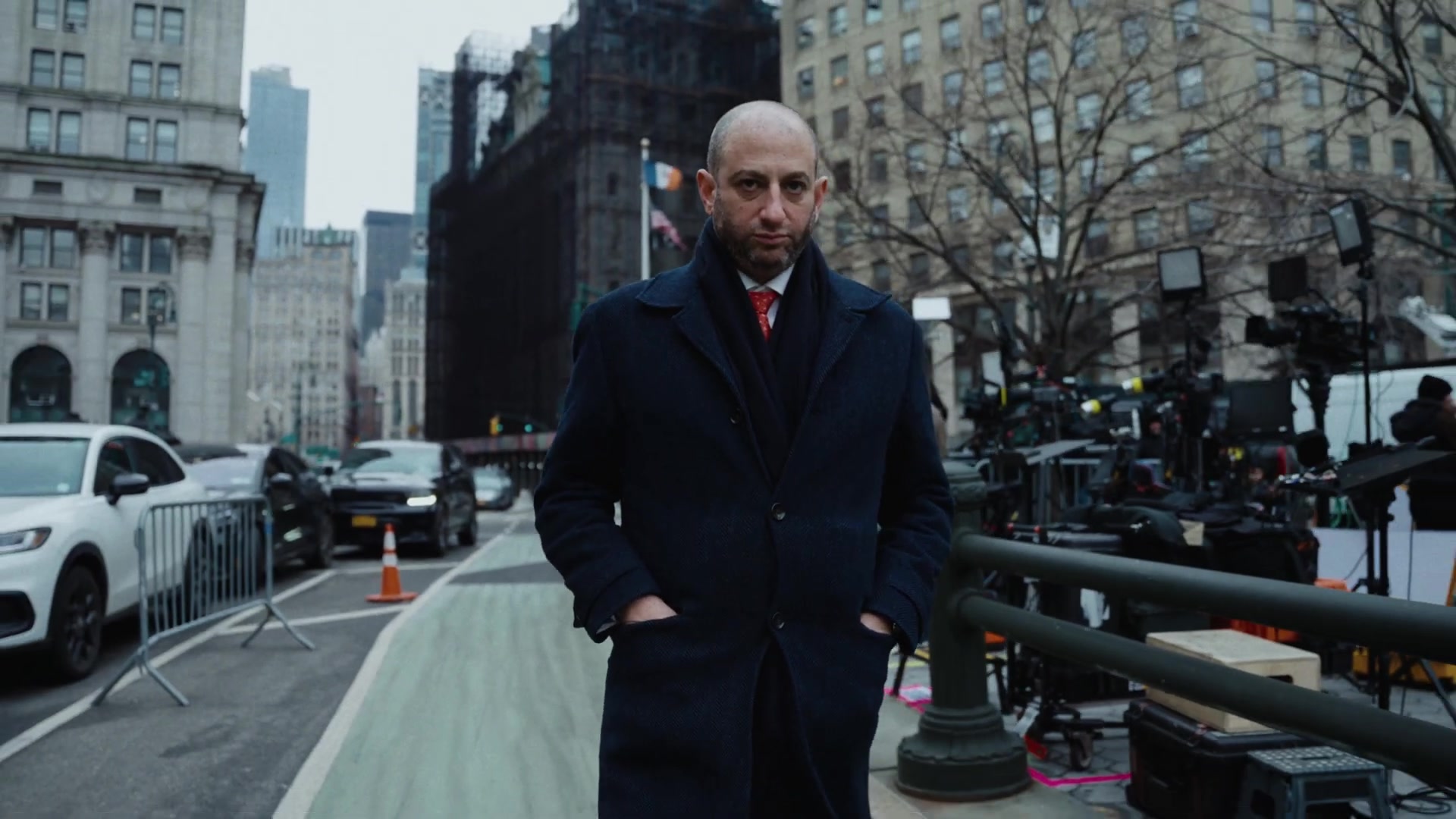
Defense Team Spotlight
Todd Spodek
Lead Attorney & Founder
Featured on Netflix’s “Inventing Anna,” Todd brings decades of experience defending clients in complex criminal cases.
Multi-State Bar
Federal Courts
US Supreme Court
Meet the Full Team →
Phase 2 – Administrative Appeal
Phase 2 begins once a response from the USDA comes back. They return this to us after they have reviewed the store's response to their initial SNAP Violation Letter. Customarily, the letter will say that the USDA holds that their charges are accurate and that transactions have indeed been executed in your store that violate the legislation. They send you a second letter affirming their choice to either temporarily or permanently disqualify your store from the program based on their charges that were brought against you in their first violation letter. Again, you are given only 10 (ten) days to appeal this decision. If you decide not to appeal, then you are effectively accepting a suspended or disqualified license. From the day you retain us, our criminal attorneys will file all obligatory documents in a timely fashion and volley back and forth with the USDA to alert their Administrative Appeal agency of our intentions to appeal their verdict. We will work on your behalf to put together any and all evidence that could be used in your appeal. We will handle the drafting of an appellate brief that contains all of the evidence, regulatory and federal codes, case law, and any other details that are useful and will work well demonstrating that the allegations charged against you are inaccurate.Phase 3 – Judicial Appeal
Should the USDA stand on their refusal to reverse its verdict, the next legal phase is to file a Judicial Review that will be heard in the local Federal District Court. As with other trial situations, we would conduct discovery and file motions before going to trial before the Honorable Judge. Our attorneys are well heeled in this phase and have a great track record of handling numerous such matters in our firm's history. Please call our lawyers to learn more and bring us board on to handle your case.Frequently Asked Questions
No. You have the right to remain silent and the right to an attorney. Invoke both rights immediately and contact Spodek Law Group.
Every case is different. We offer free initial consultations to evaluate your case and discuss our fee structure.
An arraignment is your first court appearance where charges are formally read. You enter a plea and bail may be set. Having an attorney present is critical.
Facing Criminal Charges And Have Questions? We Can Help, Tell Us What Happened.